


-5%
 Baby Mom
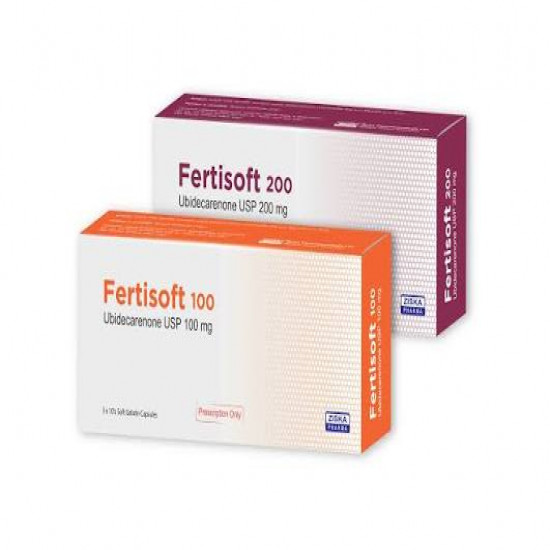
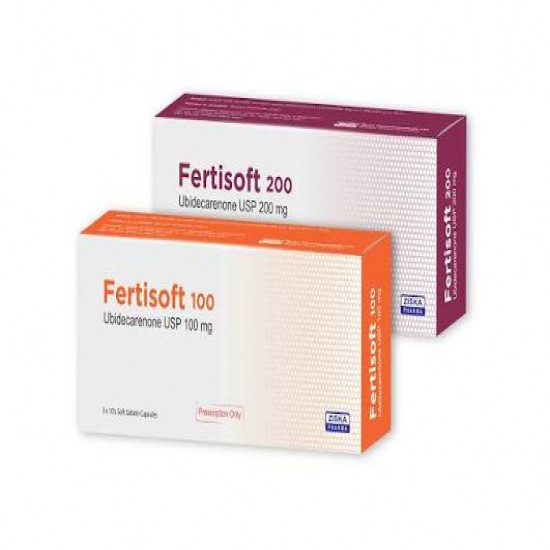
Manufacturer: Ziska Pharmaceuticals Ltd.
Generic: Coenzyme Q10
Type: Capsule
Pack Size: 10 Pcs

Hurry and get discounts on all Apple devices up to 20%
Sale_coupon_15
400.00৳ Original price was: 400.00৳ .380.00৳ Current price is: 380.00৳ .
Coenzyme Q10 / Ubidecarenone is a naturally occurring enzyme in the human body.
It functions primarily in the mitochondria, the powerhouses of cells, where it aids in the generation of energy-rich molecules called adenosine triphosphate (ATP). ATP is what fuels most of the body’s cellular activities, which is why Coenzyme Q10 / Ubidecarenone is found in high amounts in organs with high energy needs like the heart and kidneys.
Coenzyme Q10 (CoQ10) is a naturally occurring organic compound that plays a critical role in the production of ATP (adenosine triphosphate), the primary energy source for cellular activities. Due to its involvement in energy generation, higher concentrations of CoQ10 are found in organs with high metabolic demand such as the heart, liver, and kidneys.
CoQ10 is essential for mitochondrial function, where it participates in the electron transport chain, facilitating the conversion of nutrients into usable cellular energy.
Additionally, it provides significant antioxidant protection by:
Regular supplementation may:
The body synthesizes CoQ10 naturally, and small amounts are obtained from dietary sources. However, endogenous production tends to decrease with age.
Supplementation may be beneficial, especially for:
CoQ10 is generally well tolerated. Mild side effects may include:
CoQ10 (Ubidecarenone) may interact with certain medications:
Dosage varies depending on the condition and individual requirements. It is advisable to follow physician recommendations.
CoQ10 is considered safe; however, excessive intake may increase the risk of adverse effects. Seek medical attention if overdose is suspected.
Baby Mom
No account yet?
Create an Account