


-2%

 Baby Mom
 Diabetic Care
 Health Devices
 Medicines
 Personal Care
 Sexual Wellbeing
 Vital Wellness
 Vitamins Supplements
 Women Care
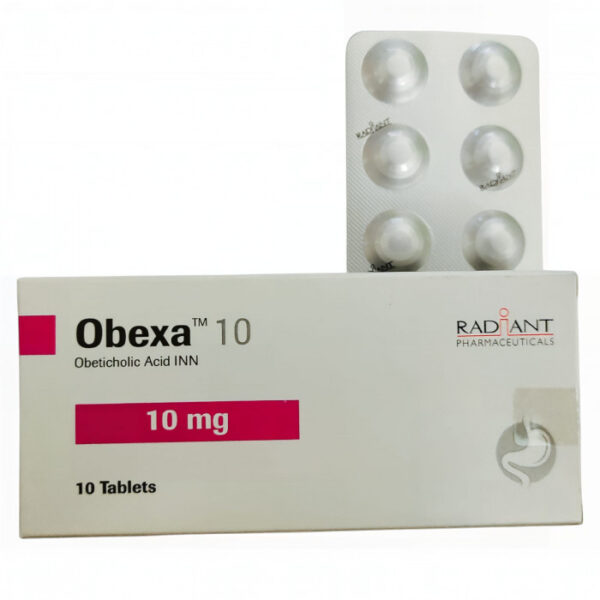
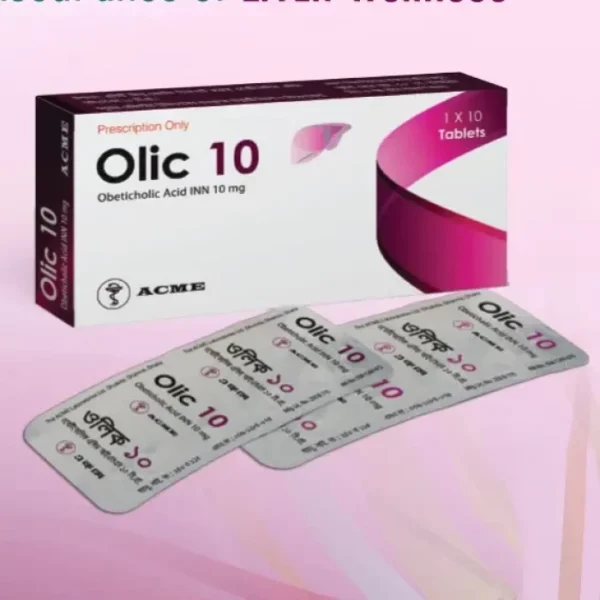
Manufacturer: Bio-Pharma
Generic: Obeticholic Acid
Type: Tablet
Pack Size: 10 Pcs

Hurry and get discounts on all Apple devices up to 20%
Sale_coupon_15
100.00৳ Original price was: 100.00৳ .98.00৳ Current price is: 98.00৳ .
Obeticholic Acid 5-
Pediatric Use:
Safety and efficacy have not been established in children.
Geriatric Use:
No major differences in safety or effectiveness were observed in elderly patients (≥65 years), although increased sensitivity cannot be ruled out.
Hepatic Impairment:
Ocaliva is contraindicated in patients with decompensated cirrhosis or portal hypertension. Dose-related hepatic reactions have been observed in clinical studies; close biochemical monitoring is mandatory.
Ocaliva is prescribed for the treatment of adult patients with primary biliary cholangitis (PBC) who:
Do not have cirrhosis, or
Have compensated cirrhosis without any clinical evidence of portal hypertension.
It is recommended for use:
In combination with ursodeoxycholic acid (UDCA) in patients showing an inadequate response to UDCA, or
As monotherapy in patients intolerant to UDCA.
High doses (25–50 mg daily, 2.5–5× the recommended limit) have been associated with hepatotoxicity, ascites, jaundice, and PBC flare-ups.
If overdose occurs, discontinue Ocaliva immediately and provide supportive management with close observation of hepatic parameters.
Baby Mom
Diabetic Care
Health Devices
Medicines
Personal Care
Sexual Wellbeing
Vital Wellness
Vitamins Supplements
Women Care