


-2%
 Baby Mom
 Diabetic Care
 Health Devices
 Medicines
 Personal Care
 Sexual Wellbeing
 Vital Wellness
 Vitamins Supplements
 Women Care
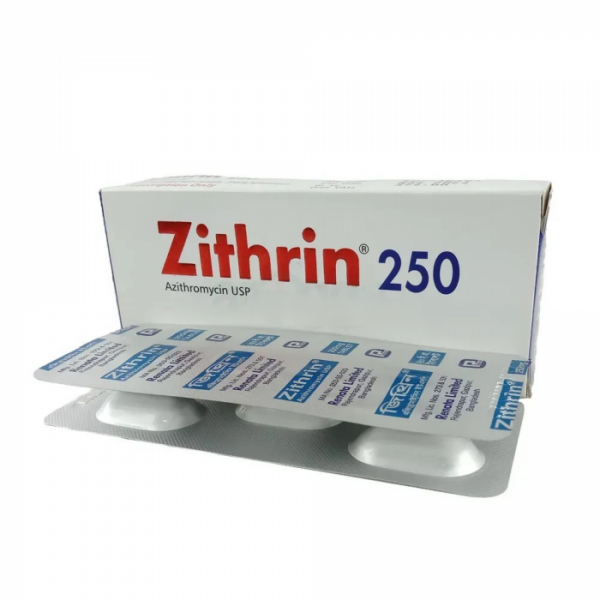
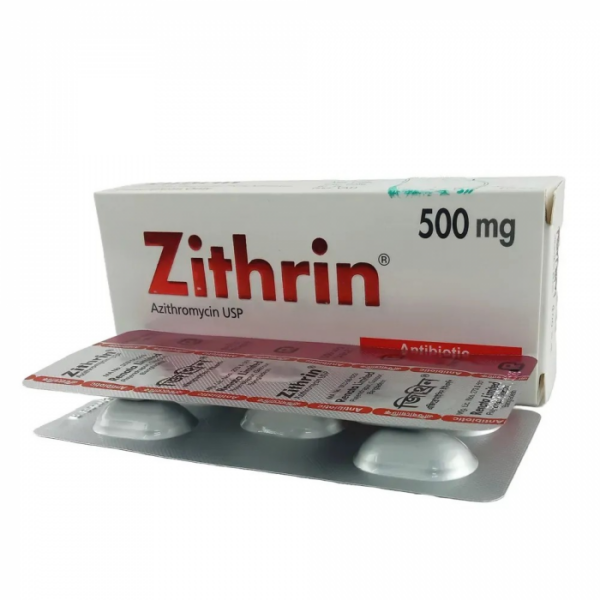
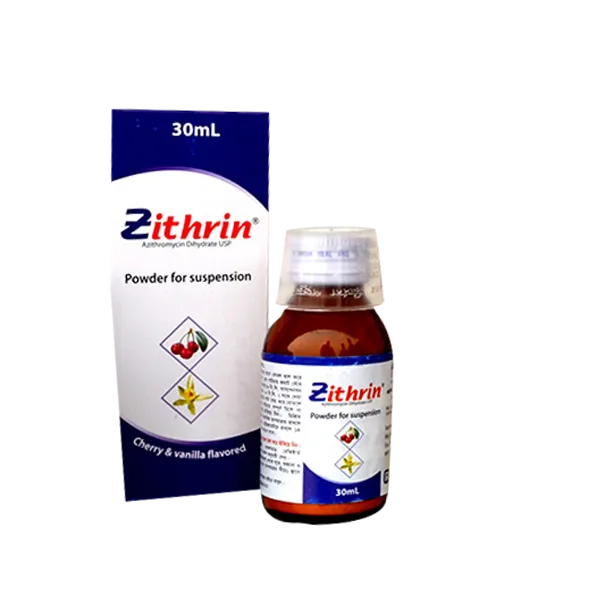
Manufacturer: Renata Limited
Generic: Azithromycin
Type: Bottle
Pack Size: 1 Pc

Hurry and get discounts on all Apple devices up to 20%
Sale_coupon_15
138.00৳ Original price was: 138.00৳ .135.24৳ Current price is: 135.24৳ .
Azithromycin is an acid-stable macrolide antibiotic that can be administered orally without requiring protection from stomach acid. It is rapidly absorbed after oral administration, with absorption being more efficient when taken on an empty stomach. In adults, peak plasma concentrations are typically achieved within 2.1 to 3.2 hours.
A unique characteristic of azithromycin is its ability to accumulate within phagocytic cells, which transport the drug directly to sites of infection. During the body’s immune response, these cells release high concentrations of azithromycin into infected tissues. As a result, tissue concentrations may exceed plasma levels by more than 50-fold, owing to the drug’s high lipid solubility and ion-trapping properties.
Azithromycin has a prolonged elimination half-life, allowing effective treatment with convenient once-daily dosing while maintaining therapeutic concentrations in infected tissues for several days. After a single 500 mg oral dose, the drug is cleared from plasma in a multiphasic manner, with an average plasma clearance of approximately 630 mL/min and a terminal half-life of around 68 hours. This extended half-life is mainly due to extensive tissue uptake followed by gradual release. The drug is eliminated primarily through the bile in an unchanged form, while approximately 6% of the administered dose is excreted unchanged in the urine within one week.
Azithromycin inhibits bacterial growth by binding to the 50S ribosomal subunit of susceptible microorganisms, thereby blocking bacterial protein synthesis. It does not interfere with nucleic acid synthesis. This action prevents bacterial multiplication and helps eliminate susceptible pathogens responsible for infection.
Azithromycin demonstrates activity against a broad range of clinically significant microorganisms, including:
Aerobic and facultative Gram-positive bacteria:
Aerobic and facultative Gram-negative bacteria:
Other susceptible microorganisms:
Anaerobic bacteria:
The presence of beta-lactamase-producing organisms does not significantly reduce the antibacterial activity of azithromycin.
Baby Mom
Diabetic Care
Health Devices
Medicines
Personal Care
Sexual Wellbeing
Vital Wellness
Vitamins Supplements
Women Care