


-4%
 Baby Mom
 Diabetic Care
 Health Devices
 Medicines
 Personal Care
 Sexual Wellbeing
 Vital Wellness
 Vitamins Supplements
 Women Care
![Zoldix (5mg/100ml) IV Infusion | [For osteoporosis]](https://avacares.xyz/wp-content/uploads/2026/09/Wdav8PjiromUvNyAGyvpVMv2rHibQoLPpkBVm3M2.webp)
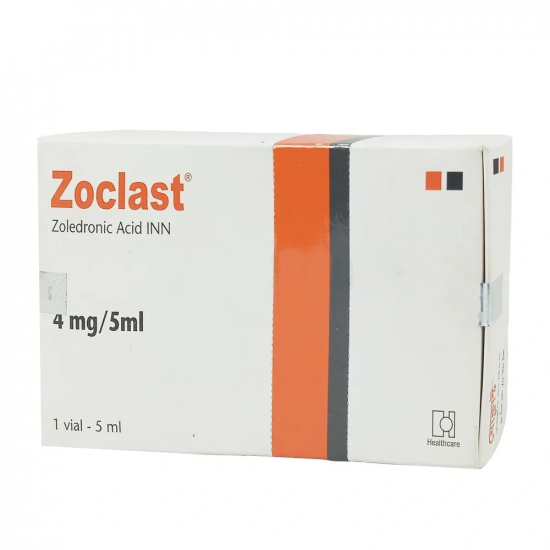
Manufacturer: Healthcare Pharmacuticals Ltd.
Generic: Zoledronic Acid
Type: Infusion
Pack Size: 1 Pc

Hurry and get discounts on all Apple devices up to 20%
Sale_coupon_15
6,500.00৳ Original price was: 6,500.00৳ .6,240.00৳ Current price is: 6,240.00৳ .
Zoledronic acid is a nitrogen-containing bisphosphonate that selectively inhibits osteoclast-mediated bone resorption. Its high affinity for mineralized bone allows rapid uptake following intravenous administration.
The principal molecular target in osteoclasts is farnesyl pyrophosphate synthase, an enzyme essential for osteoclast function and survival.
Clinical studies in tumor-induced hypercalcemia demonstrate significant reductions in serum and urinary calcium levels. Beyond its anti-resorptive effect, zoledronic acid exhibits anti-tumor, anti-angiogenic, analgesic, cytostatic, and pro-apoptotic activities, and may act synergistically with other anticancer agents.
Zoledronic acid is not metabolized, does not accumulate in plasma with repeated dosing every 28 days, and is excreted unchanged via the kidneys.
Zoclast is indicated for the management and prevention of bone-related disorders, including:
Not recommended in patients with CrCl <30 mL/min
No dose adjustment required if CrCl >60 mL/min
Dose adjustment based on creatinine clearance:
| Creatinine Clearance | Dose |
|---|---|
| >60 mL/min | 4 mg |
| 50–60 mL/min | 3.5 mg |
| 40–49 mL/min | 3.3 mg |
| 30–39 mL/min | 3.0 mg |
Baby Mom
Diabetic Care
Health Devices
Medicines
Personal Care
Sexual Wellbeing
Vital Wellness
Vitamins Supplements
Women Care