


-5%
 Baby Mom
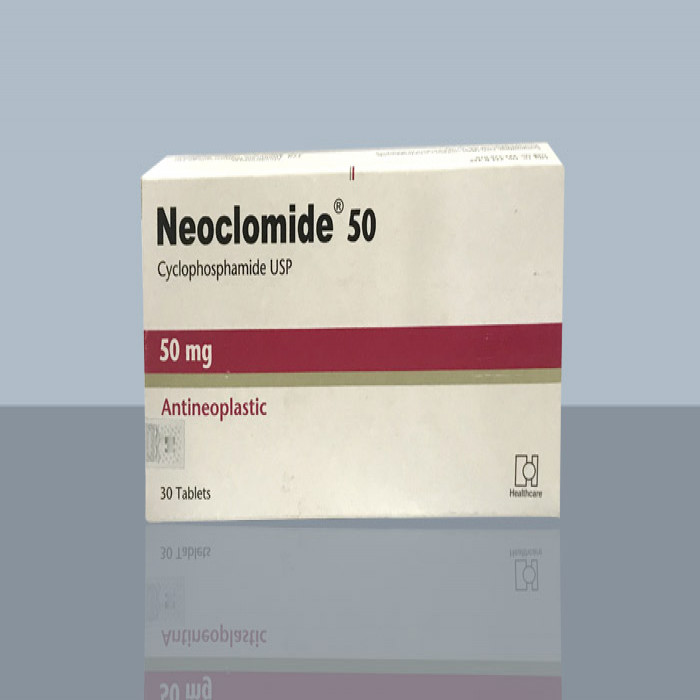
Manufacturer: Healthcare Pharmacuticals Ltd.
Generic: Cyclophosphamide
Type: Tablet
Pack Size: 10 Pcs

Hurry and get discounts on all Apple devices up to 20%
Sale_coupon_15
310.00৳ Original price was: 310.00৳ .294.50৳ Current price is: 294.50৳ .
Cyclophosphamide undergoes biotransformation in the liver, where it is converted into active alkylating metabolites by a mixed-function microsomal oxidase system. These metabolites inhibit the growth of rapidly dividing malignant cells by cross-linking tumor cell DNA.
Cyclophosphamide is well absorbed orally, with a bioavailability exceeding 75%. Following intravenous administration, peak plasma concentrations of metabolites occur within 2 to 3 hours. The elimination half-life of the unchanged drug ranges from 3 to 12 hours. Excretion primarily occurs via metabolites, with 5-25% of the dose eliminated as an unchanged drug in urine. Some metabolites bind to plasma proteins (>60%). No single metabolite has been identified as solely responsible for therapeutic or toxic effects.
While elevated metabolite levels have been observed in patients with renal impairment, there is no consistent evidence of increased clinical toxicity.
Neoclomide, while effective as a standalone treatment for certain malignancies, is more commonly administered in combination or sequence with other antineoplastic drugs. It is often used in the treatment of the following conditions:
Nonmalignant Disease:
In children, Neoclomide can be used to treat biopsy-proven “minimal change” nephrotic syndrome when corticosteroid therapy fails to produce adequate results or causes intolerable side effects. However, it should not be considered first-line therapy and is not indicated for nephrotic syndrome in adults or other renal conditions.
Use only as directed by a registered physician.
Side Effects
Other: Anaphylaxis, SIADH (syndrome of inappropriate antidiuretic hormone secretion), malaise, and asthenia have been reported.
Baby Mom
No account yet?
Create an Account