


-5%
 Baby Mom
 Diabetic Care
 Health Devices
 Medicines
 Personal Care
 Sexual Wellbeing
 Vital Wellness
 Vitamins Supplements
 Women Care
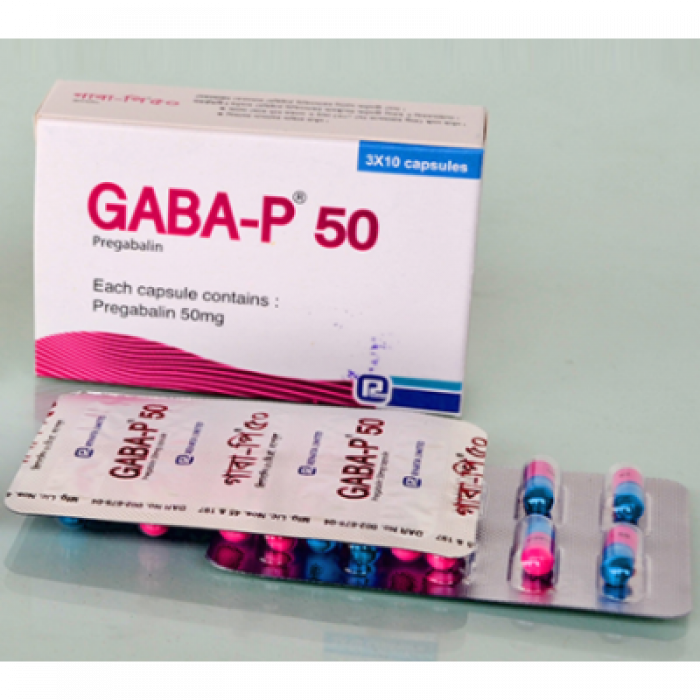
Manufacturer: Renata Limited
Generic: Pregabalin
Type: Capsule
Pack Size: 10 Pcs

Hurry and get discounts on all Apple devices up to 20%
Sale_coupon_15
140.00৳ Original price was: 140.00৳ .133.00৳ Current price is: 133.00৳ .
Generic Name: Pregabalin 50mg
Manufacturer/Distributor: Renata Limited
Indications
A drug called GABA-P 50 is used to treat pain that results from nerve damage (neuropathic pain) brought on by illnesses including diabetes, shingles (herpes zoster infection), spinal cord injury, and other issues. Additionally, it is utilized to alleviate broad muscle pain and stiffness in fibromyalgia patients. When combined with other medications, GABA-P 50, a member of the anti-epileptic drug class, can be used to treat some forms of seizures (fits). If other medications are ineffective, they may also be administered to treat the symptoms of excessive anxiety in generalized anxiety disorder.
Pharmacology
Pregabalin is a structural derivative of the inhibitory neurotransmitter gamma-aminobutyric acid (GABA). It doesn’t directly bind to the benzodiazepine, GABAA, or GABAB receptors. Pregabalin has a strong affinity for the alpha-2-delta site, which is an auxiliary subunit of voltage-gated calcium channels, in the tissues of the central nervous system. Pregabalin has a dose-independent oral bioavailability of 90%. With a half-life of 6.3 hours in individuals with typical renal function, it is primarily eliminated by the kidneys from the systemic circulation as an unmodified drug.
Dosage & Administration
Interaction
Pregabalin has no notable interactions with other antiepileptic medicines or oral contraceptives. The effects of ethanol and lorazepam may be amplified by pregabalin.
Contraindications
Patients who have a known hypersensitivity to Pregabalin or any of its components should avoid using it.
Side Effect
Dizziness, somnolence, dry mouth, edema, impaired vision, weight gain, and aberrant thinking are the most prevalent adverse effects.
Pregnancy & Lactation
Pregabalin has a pregnancy category of C. As a result, it should only be taken if the potential benefit outweighs the dangers to the fetus.
Pregabalin, like other medications, can pass into the breast milk, therefore it should only be used in nursing mothers if the benefits clearly outweigh the risks.
Precautions & Warnings
Without tapering, pregabalin withdrawal may result in insomnia, nausea, headaches, and diarrhea. As a result, it should be discontinued gradually over a minimum of one week rather than stopped immediately. Your creatinine kinase level could increase if you use Pregabalin. It should be stopped right away if myopathy is seen or suspected, or if creatinine kinase levels are unusually high.
Storage Conditions
Keep away from light and moisture in a cool, dry area (below 30° C). Keep out of children’s reach.
Baby Mom
Diabetic Care
Health Devices
Medicines
Personal Care
Sexual Wellbeing
Vital Wellness
Vitamins Supplements
Women Care