-2%
- Clonazepam is a medication that is commonly used to prevent and control seizures.Â
- It belongs to a class of medications known as anticonvulsants or antiepileptic drugs. In addition to its anticonvulsant properties, clonazepam is also used to treat panic attacks.
- The mechanism of action of clonazepam involves calming the brain and nerves. It acts by enhancing the effects of a natural chemical in the brain called gamma-aminobutyric acid (GABA). GABA is responsible for inhibiting excessive electrical activity in the brain, and by enhancing its effects, clonazepam helps to reduce seizures and anxiety symptoms associated with panic attacks.
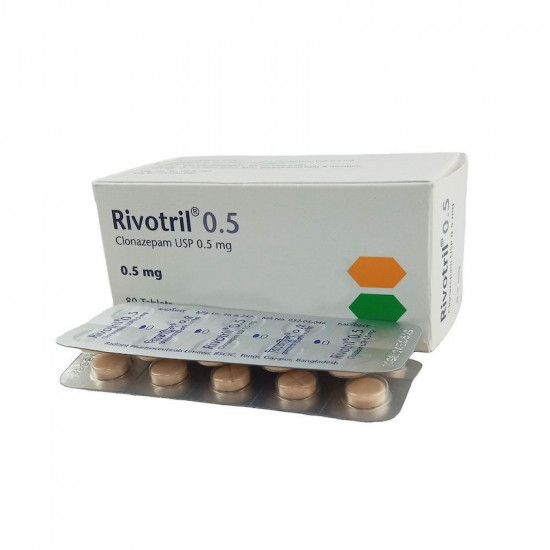
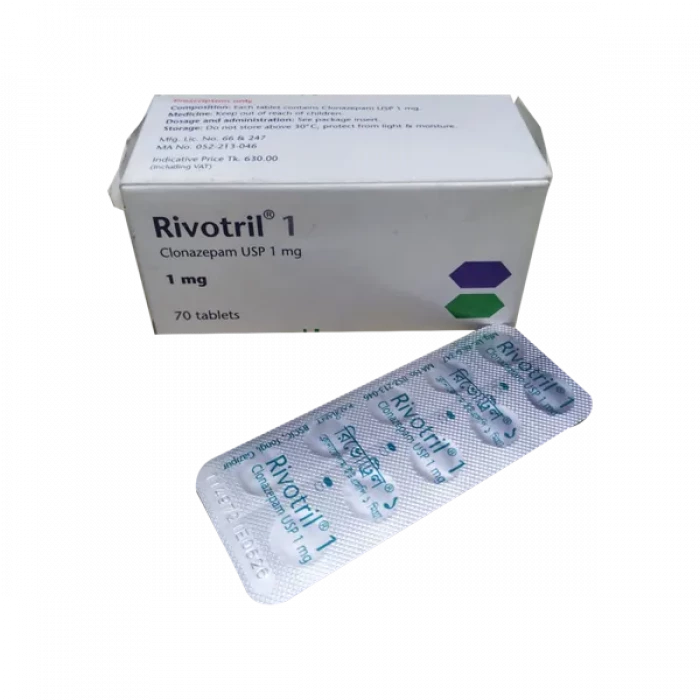
- Rivotril 1mg Tablet contains Clonazepam, which is classified as a benzodiazepine medication. It is primarily used to treat epilepsy in both adults and children, as well as panic disorder with or without agoraphobia in adults.
- Epilepsy is a neurological condition characterized by recurrent seizures or fits, which are caused by abnormal electrical activity in the brain. Symptoms of epilepsy can include uncontrollable jerking or shaking, loss of consciousness, or collapsing.
- Panic disorder involves the sudden occurrence of panic attacks or intense fear, often accompanied by physical symptoms such as rapid heartbeat, shortness of breath, and sweating.
- During treatment with Rivotril 1mg Tablet, your doctor may monitor your liver function through blood tests. It is important to avoid consuming alcohol while taking this medication, as it may increase the risk of seizures or worsen side effects, leading to excessive sedation.
- Rivotril 1mg Tablet is not recommended for individuals with conditions such as myasthenia gravis, acute narrow-angle glaucoma, sleep apnea, respiratory disorders, or severe liver disease. Consult your doctor before starting this medication if you have any of these conditions.
- Caution should be exercised when taking Rivotril 1mg Tablet in patients with mild to moderate liver disease, severe kidney disease, low blood pressure, depression, psychosis, schizophrenia, or certain other medical conditions. It is important to consult your doctor before initiating treatment.
- The use of Rivotril 1mg Tablet is generally not recommended during pregnancy unless it is deemed clearly necessary. Consult your doctor before taking this medication if you are pregnant. It is also generally not recommended for breastfeeding women, as it may pass through breast milk. Discuss the potential risks and benefits with your doctor before using Rivotril 1mg Tablet while breastfeeding.
- Special caution should be taken when administering this medication to children and elderly patients. Consult your doctor before initiating treatment in these age groups.
- Some serious side effects of Rivotril 1mg Tablet include suicidal thoughts, self-harming tendencies, or unusual changes in behavior or mood. If you experience any of these symptoms, contact your doctor immediately.
- Common side effects of Rivotril 1mg Tablet include drowsiness, dizziness, coordination problems, depression, fatigue, and memory difficulties. If any of these symptoms worsen or persist, contact your doctor. It is important to follow your doctor’s instructions and report any concerns or side effects experienced during the course of treatment.