


-5%
 Baby Mom
 Diabetic Care
 Health Devices
 Medicines
 Personal Care
 Sexual Wellbeing
 Vital Wellness
 Vitamins Supplements
 Women Care

Manufacturer: Eskayef Bangladesh
Generic: Rivaroxaban
Type: Tablet
Pack Size: 10 Pcs

Hurry and get discounts on all Apple devices up to 20%
Sale_coupon_15
250.00৳ Original price was: 250.00৳ .237.50৳ Current price is: 237.50৳ .
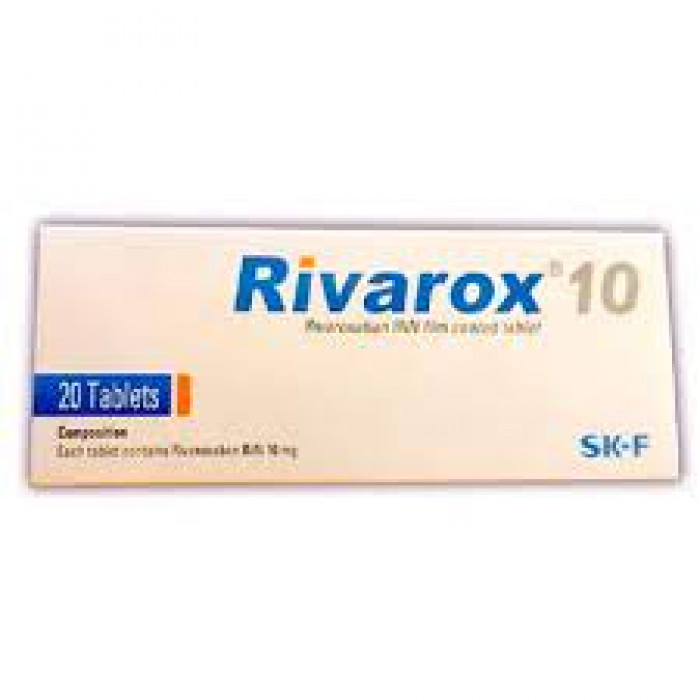
Rivarox 10mg Tablet belongs to the group of medicines called antithrombotic agents. It is used for various conditions including the treatment and prevention of deep vein thrombosis (DVT), pulmonary embolism (PE), venous thromboembolism (VTE), prevention of stroke and systemic embolism in nonvalvular atrial fibrillation, prevention of DVT or PE recurrence, prevention of major cardiovascular events in patients with coronary artery disease (CAD), prevention of major thrombotic vascular events in patients with peripheral artery disease (PAD), prevention of DVT in patients undergoing knee or hip replacement surgery, prevention of VTE in acutely ill medical patients, and prevention of thrombosis in children with congenital heart disease post the Fontan procedure.
Inform your doctor if you have any liver, kidney, or bleeding problems, or if you have antiphospholipid syndrome. Rivarox 10mg Tablet is not recommended for use in pregnant or breastfeeding women. Consult your doctor before taking it if you fall into these categories.
Rivarox 10mg Tablet is not studied and not recommended for use in children less than 6 months of age who were born prematurely, had a short duration of oral feeding, or have low birth weight. Consult your doctor for appropriate guidance in pediatric cases.
Rivarox 10mg Tablet should be used with caution in elderly patients (65 years or older). It is important to consult your doctor before taking it, as they can assess any specific considerations or potential risks for elderly patients.
The most common side effects of Rivarox 10mg Tablet include bleeding, pain and swelling in the limbs, fever, stomach pain, indigestion, nausea, vomiting, constipation, diarrhea, low blood pressure (feeling dizzy or fainting when standing up), weakness, tiredness, headache, dizziness, rash, and itching. If any of these symptoms worsen, it is advisable to contact your doctor.
Please note that the information provided is a general summary and not exhaustive. It is important to follow the guidance of your healthcare provider or pharmacist, as they can provide personalized advice based on your specific medical condition and history.
Baby Mom
Diabetic Care
Health Devices
Medicines
Personal Care
Sexual Wellbeing
Vital Wellness
Vitamins Supplements
Women Care