


-2%
 Baby Mom
 Diabetic Care
 Health Devices
 Medicines
 Personal Care
 Sexual Wellbeing
 Vital Wellness
 Vitamins Supplements
 Women Care
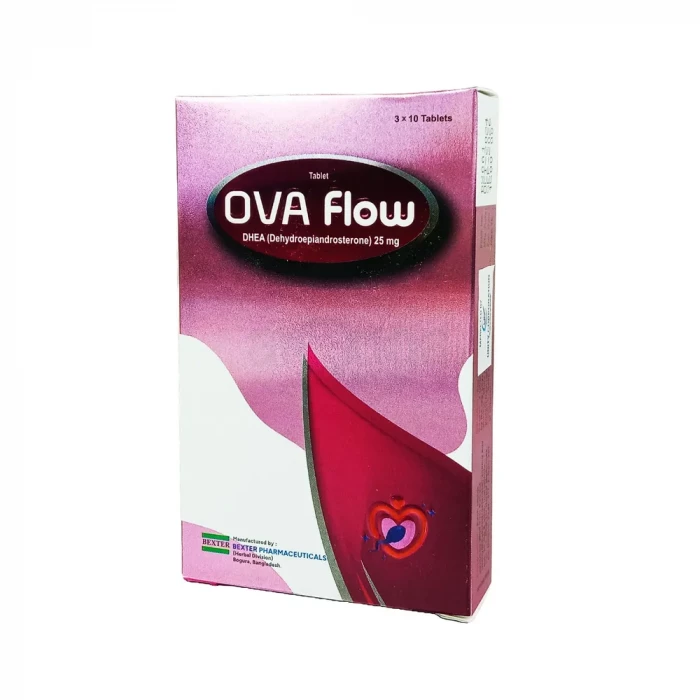
Manufacturer: Bexter Herbal & Nutraceuticals
Generic: Dehydroepiandrosterone
Type: Tablet
Pack Size: 10 Pcs

Hurry and get discounts on all Apple devices up to 20%
Sale_coupon_15
512.00৳ Original price was: 512.00৳ .501.76৳ Current price is: 501.76৳ .
DHEA is the most abundant steroid hormone produced by the adrenal glands. Once synthesized, it is converted into androgens, estrogens, and other hormones depending on an individual’s age, sex, and metabolism. These hormones play critical roles in regulating metabolism, reproductive health, and energy levels.
DHEA production peaks by age 25 and gradually declines with age. It is also produced in smaller amounts by the liver, brain, and in men, the testes. It primarily converts to androstenedione, which serves as a precursor to both estrogens and androgens.
In women, DHEA supplements typically increase androgen levels more significantly than estrogen levels. In men, a reverse trend is noted.
DHEA is also active in the brain, especially in limbic areas, where it may act as a stimulating neuroregulator by opposing GABA activity. It may further enhance cardiovascular health by influencing IGF-1, nitric oxide, and thromboxane A2 levels.
DHEA supplementation has shown promise in improving fertility among women with diminished ovarian reserve by increasing the number of eggs and embryos. It may serve as a beneficial nutritional supplement to support the body’s natural DHEA functions.
Additional potential applications include support in:
Baby Mom
Diabetic Care
Health Devices
Medicines
Personal Care
Sexual Wellbeing
Vital Wellness
Vitamins Supplements
Women Care