


-5%
 Baby Mom
 Diabetic Care
 Health Devices
 Medicines
 Personal Care
 Sexual Wellbeing
 Vital Wellness
 Vitamins Supplements
 Women Care
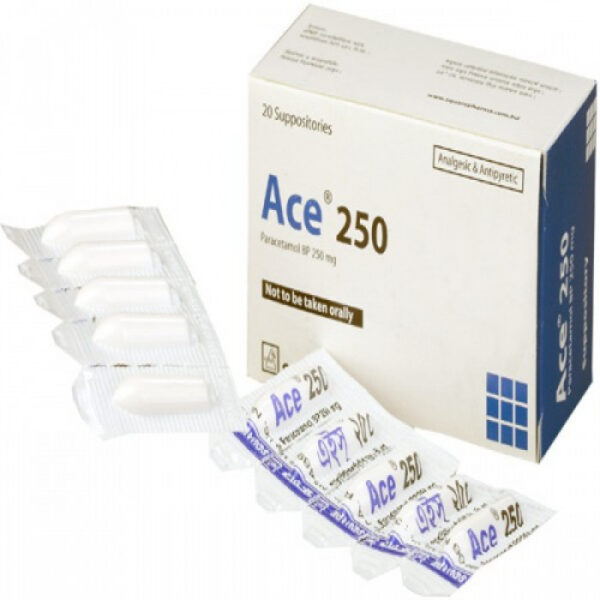
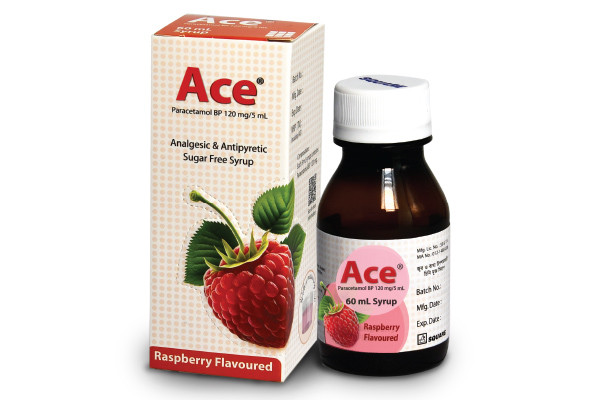
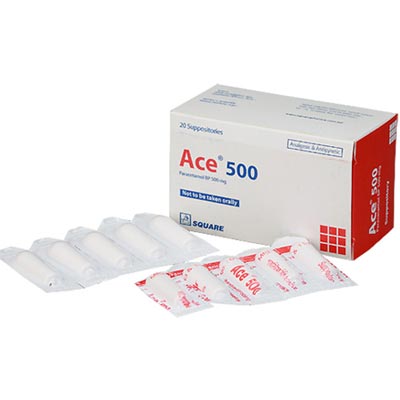
Manufacturer: Square Pharmaceuticals Ltd.
Generic: Paracetamol
Type: Suppository
Pack Size: 1 Pc

Hurry and get discounts on all Apple devices up to 20%
Sale_coupon_15
10.00৳ Original price was: 10.00৳ .9.50৳ Current price is: 9.50৳ .
Paracetamol provides pain relief primarily by inhibiting the transmission of pain signals at the peripheral level. It reduces fever by acting on the hypothalamic heat-regulating center in the brain.
Its anti-inflammatory effect is mild and is linked to inhibition of prostaglandin synthesis within the central nervous system (CNS).
Paracetamol mainly acts centrally by inhibiting cyclooxygenase (COX) enzymes (COX-1, COX-2, and possibly COX-3), which are involved in prostaglandin production. Unlike NSAIDs, it has minimal effect on peripheral tissues and therefore lacks significant anti-inflammatory activity. Its effectiveness is more pronounced in the CNS, possibly due to lower peroxide levels compared to peripheral tissues.
Paracetamol is indicated for the relief of:
Baby Mom
Diabetic Care
Health Devices
Medicines
Personal Care
Sexual Wellbeing
Vital Wellness
Vitamins Supplements
Women Care