-5%
Paracetamol 80mg/ml
Paracetamol is an analgesic and antipyretic medicine that relieves pain and lowers fever. It works primarily in the central nervous system by blocking the production of prostaglandins, chemicals responsible for pain and fever. Unlike NSAIDs, it has very little anti-inflammatory activity in peripheral tissues and does not significantly affect platelet function or the stomach lining.
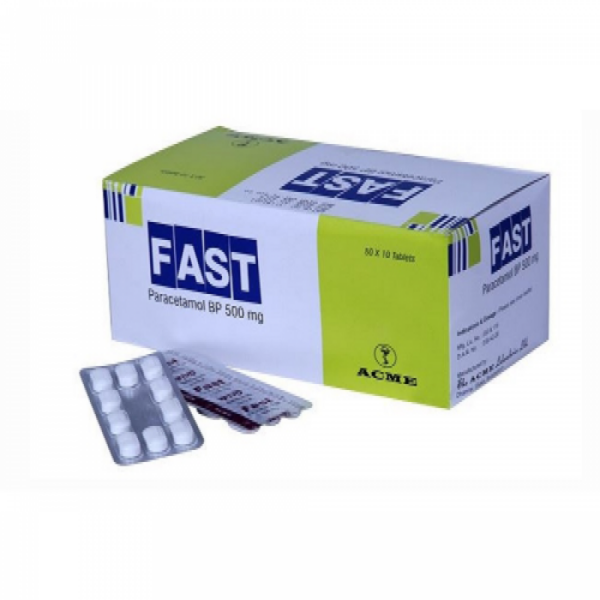
Fast Tablet contains Paracetamol, a widely used medicine for relieving pain and reducing fever. It is indicated for:
- Fever associated with infections such as the common cold and influenza
- Headache, toothache, earache, and body aches
- Muscle pain (myalgia) and nerve pain (neuralgia)
- Menstrual pain (dysmenorrhoea)
- Back pain, sprains, and colic pain
- Pain after surgery or childbirth
- Inflammatory pain and post-vaccination fever in children
- Joint pain and stiffness associated with osteoarthritis and rheumatic conditions
Use this medicine only as directed by a registered physician.
The dose depends on the patient’s age, body weight, and dosage form. Always follow your doctor’s instructions.
Tablet
- Adults: 1–2 tablets every 4–6 hours as needed. Do not exceed 4 g (8 tablets) in 24 hours.
- Children (6–12 years): ½–1 tablet, 3–4 times daily.
Extended-Release Tablet
- Adults and children over 12 years: 2 tablets every 6–8 hours. Swallow whole; do not crush or chew. Maximum 6 tablets per day.
Syrup/Suspension
- Under 3 months: 10 mg/kg (5 mg/kg if jaundiced), 3–4 times daily.
- 3 months–1 year: ½–1 teaspoon, 3–4 times daily.
- 1–5 years: 1–2 teaspoons, 3–4 times daily.
- 6–12 years: 2–4 teaspoons, 3–4 times daily.
- Adults: 4–8 teaspoons, 3–4 times daily.
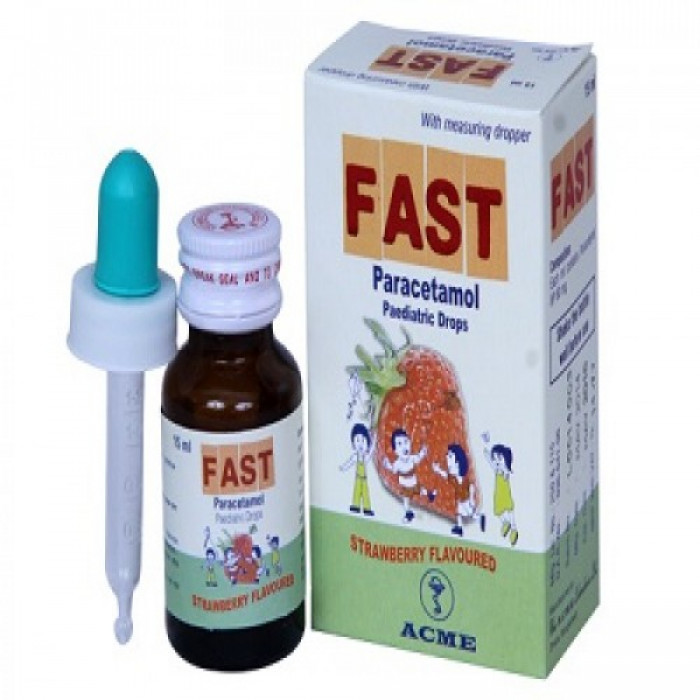
Paediatric Drops
- Up to 3 months: 0.5 mL (40 mg)
- 4–11 months: 1 mL (80 mg)
- 1–2 years: 1.5 mL (120 mg)
- Maximum 5 doses daily for up to 5 days.
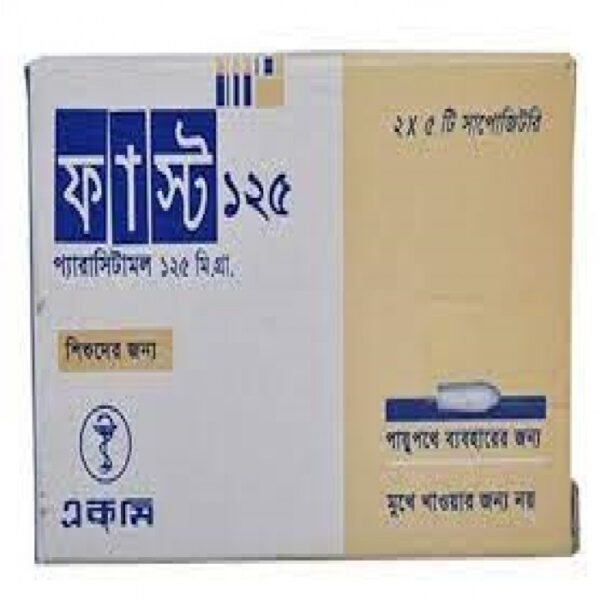
Suppository
- 3–12 months: 60–120 mg up to 4 times daily.
- 1–5 years: 125–250 mg up to 4 times daily.
- 6–12 years: 250–500 mg up to 4 times daily.
- Adults and children over 12 years: 500–1000 mg up to 4 times daily.
Paracetamol may interact with certain medicines, including:
- Barbiturates
- Tricyclic antidepressants
- Alcohol
- Anticonvulsants (such as carbamazepine, phenytoin, and phenobarbital)
- Rifampicin
- Oral contraceptives containing steroids
These medicines may reduce Paracetamol’s effectiveness or increase the risk of liver damage, particularly when alcohol is consumed.
Contraindications
Do not use Fast if you are allergic to Paracetamol or any of its ingredients.
Side Effects
Fast is generally well tolerated when used as directed. Possible side effects include:
- Skin rash or allergic reactions
- Low platelet count (thrombocytopenia)
- Low white blood cell count (leukopenia)
- Pancytopenia or agranulocytosis (rare)
- Pancreatitis (rare)
Seek medical attention if you experience severe allergic reactions or unusual symptoms.
Pregnancy & Breastfeeding
Paracetamol is generally considered safe during pregnancy and breastfeeding when used at recommended doses. However, it should only be used under medical advice.
Precautions & Warnings
- Do not exceed the recommended daily dose.
- Avoid taking other medicines containing Paracetamol at the same time.
- Use cautiously in patients with liver disease, kidney impairment, chronic alcohol use, malnutrition, or dehydration.
- High doses may cause severe liver damage, which can be life-threatening.
- Stop using the IV formulation immediately if signs of an allergic reaction occur.
Use in Special Populations
- Children: IV Paracetamol is approved for children aged 2 years and older.
- Older Adults: No specific dose adjustment is generally required.
- Liver Disease: Use with caution; lower doses may be necessary. Severe liver disease is a contraindication.
- Kidney Disease: Patients with severe renal impairment may require reduced doses or longer dosing intervals.
Overdose
Taking more than the recommended dose can cause serious liver injury.
Early symptoms (within 24 hours):
- Nausea
- Vomiting
- Loss of appetite
- Pale skin
- Abdominal pain
Severe poisoning may lead to liver failure, kidney damage, low blood sugar, metabolic acidosis, brain swelling, coma, or death.
Immediate medical attention is essential. Treatment may include activated charcoal (if taken within one hour) and N-acetylcysteine (NAC), which is most effective when started within 8 hours of overdose.
Therapeutic Class
Non-opioid Analgesic and Antipyretic
Storage
Store below room temperature in a cool, dry place, protected from heat and light. Keep out of the reach of children.