


-5%

 Baby Mom
 Diabetic Care
 Health Devices
 Medicines
 Personal Care
 Sexual Wellbeing
 Vital Wellness
 Vitamins Supplements
 Women Care
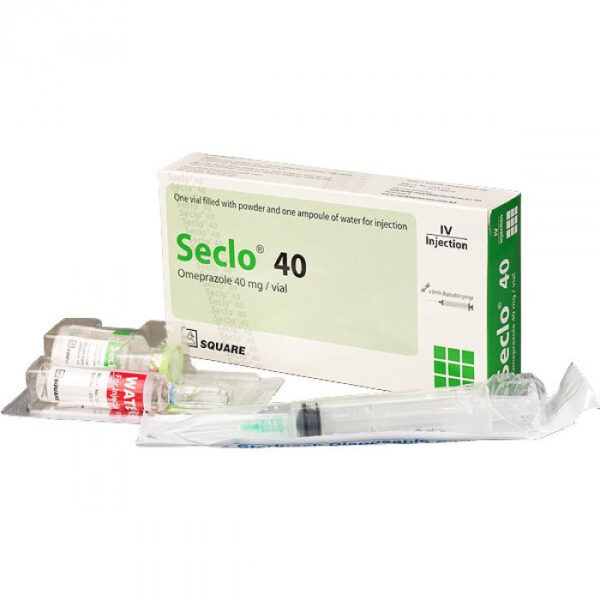

Manufacturer: Square Pharmaceuticals Ltd.
Generic: Each contains omeprazole BP 20mg &
Type: Tablet
Pack Size: 10 Pcs

Hurry and get discounts on all Apple devices up to 20%
Sale_coupon_15
70.00৳ Original price was: 70.00৳ .66.50৳ Current price is: 66.50৳ .
Generic Name: Omeprazole 20mg
Manufacturer/Distributor: Square Pharmaceuticals Ltd.
Indications
Omeprazole is used to treat the following conditions:
Pharmacology
Omeprazole, a substituted benzimidazole, is a stomach acid secretion inhibitor. It reduces stomach acid secretion by inhibiting the enzyme system of hydrogen-potassium-adenosine triphosphatase (H+/K+ ATPase) in the gastric parietal cell. The antisecretory action begins within one hour of oral administration, with the greatest impact happening within two hours and secretion suppression lasting up to 72 hours. When the medication is stopped, secretory activity gradually recovers over 3 to 5 days.
Dosage & Administration
Oral-
Interaction
Omeprazole can cause diazepam, warfarin, and phenytoin to be eliminated more slowly. When Omeprazole is added to the therapy, the amount of warfarin or phenytoin may need to be reduced. Omeprazole does not appear to interact with theophylline, propranolol, or antacids.
Contraindications
Omeprazole is not recommended for people who have a history of hypersensitivity to any of the formulation’s components.
Side Effects
Omeprazole is well tolerated by most people. Nausea, stomach colic, paresthesia, dizziness, and headache have all been reported to be minor and transitory, with no dosage decrease.
Pregnancy & Lactation
Omeprazole is classified as pregnancy category C by the US Food and Drug Administration. However, the findings of three prospective epidemiological studies show that Omeprazole has no negative effects on pregnancy or the health of the fetus/newborn child. There is no information on Omeprazole’s entry into breast milk or its effects on the newborn. If the usage of Omeprazole is deemed necessary, breastfeeding should be terminated.
Precautions & Warnings
When a stomach ulcer is suspected, the potential of gastric cancer should be ruled out before starting Omeprazole treatment, as the medication may relieve symptoms while delaying detection.
Storage Conditions
Keep away from light and heat in a dry area. Keep out of children’s reach.
Baby Mom
Diabetic Care
Health Devices
Medicines
Personal Care
Sexual Wellbeing
Vital Wellness
Vitamins Supplements
Women Care