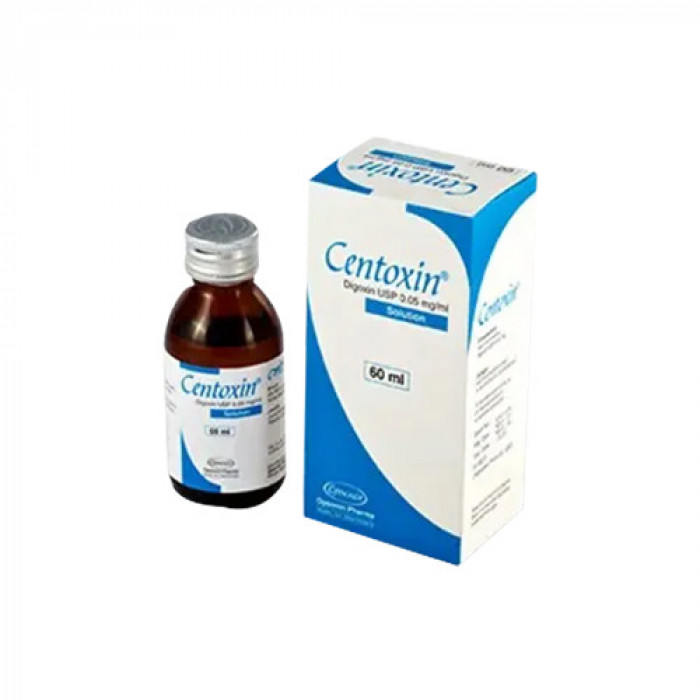
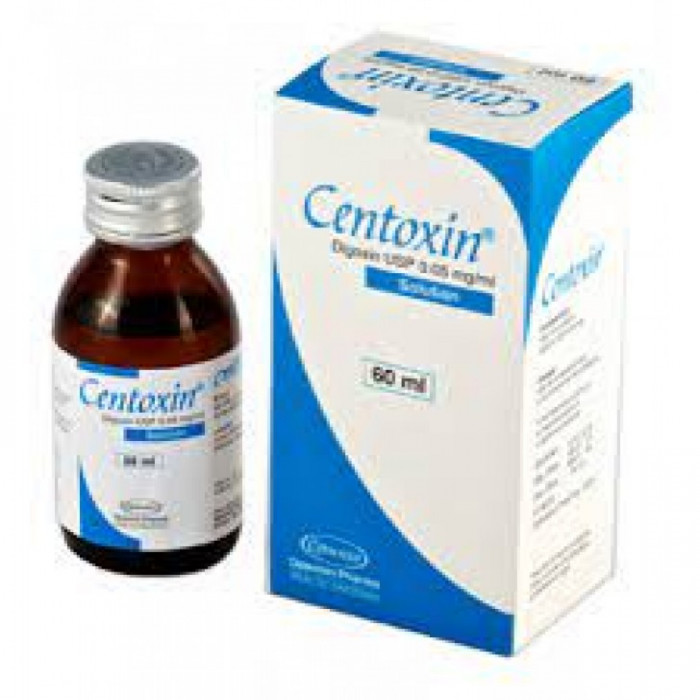
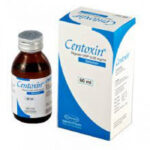
Centoxin is indicated for use in:
- Heart Failure: Both acute and chronic, particularly when associated with hypertensive or valvular heart disease.
- Atrial Fibrillation: Particularly when there is an uncontrolled ventricular rate.
- Acute Left Ventricular Failure: Providing positive inotropic support.
- Chronic Left Ventricular Failure: Especially in cases related to valvular or ischemic heart disease.
Heart Failure:
- Definition: Heart failure is a chronic medical condition where the heart’s ability to pump blood efficiently is compromised, leading to insufficient blood flow to meet the body’s needs.
- Causes: Common causes include high blood pressure, heart muscle damage or swelling (cardiomyopathy), faulty heart valves, and coronary artery disease (narrow arteries in the heart).
- Symptoms:
- Shortness of Breath: Often occurs during physical activity or while lying down.
- Fatigue: Persistent tiredness due to the heart’s reduced ability to supply oxygenated blood to the body.
- Rapid or Irregular Heartbeat: The heart may beat faster in an attempt to compensate for its reduced pumping ability.
- Swollen Legs and Ankles: Fluid buildup (edema) in the lower extremities due to the heart’s reduced efficiency.
Arrhythmia (Irregular Heartbeat):
- Definition: Arrhythmia refers to any irregularity in the heart’s rhythm, whether the heart beats too fast (tachycardia), too slow (bradycardia), or erratically.
- Normal Heart Rate: A normal resting heart rate typically ranges from 60 to 100 beats per minute (bpm).
- Symptoms:
- Chest Pain: Discomfort or pain in the chest may occur due to abnormal heart rhythms.
- Shortness of Breath: Difficulty breathing may be a result of irregular heartbeats affecting blood flow.
- Fast or Slow Heartbeat: Noticeable changes in heart rate, either too fast or too slow, are common signs of arrhythmia.



 Baby Mom