


-5%
 Baby Mom
 Diabetic Care
 Health Devices
 Medicines
 Personal Care
 Sexual Wellbeing
 Vital Wellness
 Vitamins Supplements
 Women Care


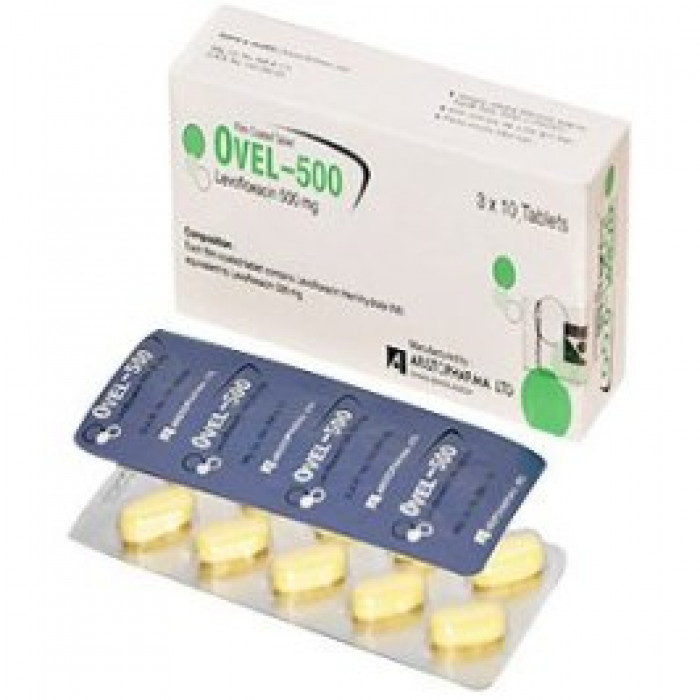
Manufacturer: Aristopharma Limited
Generic: Levofloxacin 500 mg
Type: Tablet
Pack Size: 10 Pcs

Hurry and get discounts on all Apple devices up to 20%
Sale_coupon_15
150.49৳ Original price was: 150.49৳ .142.97৳ Current price is: 142.97৳ .
Tablet Manufacturer/Distributor: Aristopharma Limited Generic Name: Levofloxacin 500 mg Tablet
Levofloxacin is indicated for the treatment of mild, moderate, and severe infections caused by susceptible strains of the designated micro-organisms in the condition listed below:
Levofloxacin could be an engineered, broad-spectrum, third-generation fluoroquinolone anti-microbial. Chemically, Levofloxacin could be a chiral fluorinated carboxyquinolone. Levofloxacin applies antibacterial activity by repressing bacterial topoisomerase IV and DNA gyrase, the proteins required for DNA replication, translation repair and recombination. It has in vitro movement against a wide extend of gm-ve and gm+ve microorganisms.
Levofloxacin is indicated for the treatment of mild, moderate and severe infections caused by susceptible strains of the designated micro-organisms in the condition listed below: Acute maxillary sinusitis due to Streptococcus pneumoniae, Haemophiles influenzae, or Moraxella catarrhalis. Acute bacterial exacerbation of chronic bronchitis due to Staphylococcus aureus, Streptococcus pneumoniae, Haemophiles influenzae, or Moraxella catarrhalis. Community-acquired pneumonia due to Staphylococcus aureus, Streptococcus pneumonia, aemophiles influenzae, Klebsiella pneumoniae, Moraxella catarrhalis, Chlamydia pneumoniae, Legionella pneumophila, or Mycoplasma pneumonia. Uncomplicated & complicated urinary tract infections due to Escherichia coli, Klebsiella pneumoniae, or Staphylococcus saprophyticus. Acute pyelonephritis caused by Escherichia coli. Uncomplicated & complicated skin and soft tissue infections including abscesses, cellulitis, furuncles, impetigo, pyoderma, wound infections, due to Staphylococcus aureus, Streptococcus pyogenes, Proteus mirabilis or Enterococcus faecalis. Enteric infections caused by Enterobacter sp., Escherichia coli, Campylobacter sp., Vibrio cholerae, Shigella sp., Salmonella sp.
Adults:
Children:
In each case, sequential therapy (intravenous to oral) may be instituted at the discretion of the physician.
Instructions for the Use of Levofloxacin Infusion-
Through the same intravenous line, no quinolone should be given with any multivalent cation solution, such as magnesium. Levofloxacin is inhibited by antacids, iron, and adsorbents. NSAIDs may make CNS stimulation more likely. Warfarin may make you bleed more easily.
Patients having a history of hypersensitivity to levofloxacin, quinolone antibiotic drugs, or any other component of this medicine should not take it.
Levofloxacin is for the most part well endured. In any case, a couple of side-effects can more often than not be seen. There’s a chance of retinal separation. Other side-effects incorporate: queasiness, spewing, the runs, abdominal pain, tooting and uncommon event of phototoxicity (0.1%). Side-effects that will be seen exceptionally once in a while incorporate tremors, misery, uneasiness, disarray etc.
Because the effects on the unborn child or nursing infant are unknown, levofloxacin is not indicated for use during pregnancy or lactation.
The following measures should be taken during administration of Levofloxacin
Levofloxacin Injection should only be administered by slow intravenous infusion over a period of 60 or 90 minutes depending on the dosage.
Preparations containing four quinolones.
Even if the canister appears to be empty, it should not be punctured, broken, or incinerated. Avoid storing in direct sunlight or in a hot environment. Keep it below 30°C. Keep your distance from the eyes. Keep your distance from youngsters.
Baby Mom
Diabetic Care
Health Devices
Medicines
Personal Care
Sexual Wellbeing
Vital Wellness
Vitamins Supplements
Women Care