


-2%
 Baby Mom
 Diabetic Care
 Health Devices
 Medicines
 Personal Care
 Sexual Wellbeing
 Vital Wellness
 Vitamins Supplements
 Women Care
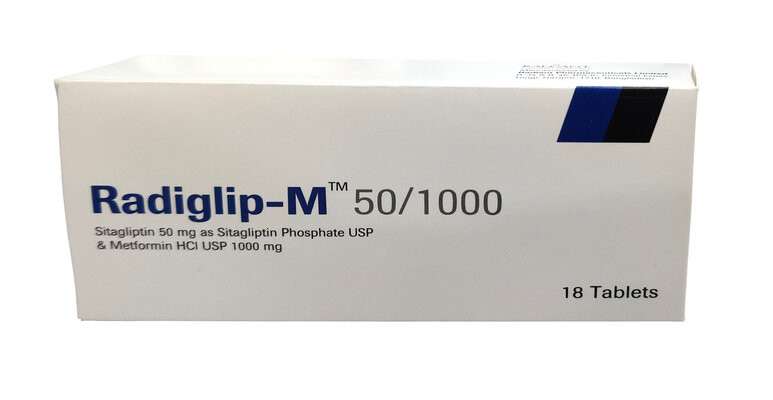
Manufacturer: Radiant Pharmaceutical Ltd.
Generic: Sitagliptin + Metformin Hydrochloride
Type: Tablet
Pack Size: 6 Pcs

Hurry and get discounts on all Apple devices up to 20%
Sale_coupon_15
132.00৳ Original price was: 132.00৳ .129.36৳ Current price is: 129.36৳ .
Sitagliptin + Metformin is a prescription oral antidiabetic medicine used along with diet and exercise to improve blood sugar control in adults with type 2 diabetes mellitus when treatment with both sitagliptin and metformin is appropriate.
This combination contains two antidiabetic medicines with complementary mechanisms: Sitagliptin, a DPP-4 inhibitor, and Metformin hydrochloride, a biguanide.
Sitagliptin works by inhibiting the enzyme dipeptidyl peptidase-4 (DPP-4). This slows the breakdown of incretin hormones such as GLP-1 and GIP, which are naturally released by the intestine, particularly after meals.
By prolonging the activity of these hormones, sitagliptin:
Metformin works through mechanisms that differ from those of sitagliptin. It:
Together, sitagliptin and metformin help improve overall glycemic control in adults with type 2 diabetes.
Baby Mom
Diabetic Care
Health Devices
Medicines
Personal Care
Sexual Wellbeing
Vital Wellness
Vitamins Supplements
Women Care