


-5%
 Baby Mom
 Diabetic Care
 Health Devices
 Medicines
 Personal Care
 Sexual Wellbeing
 Vital Wellness
 Vitamins Supplements
 Women Care
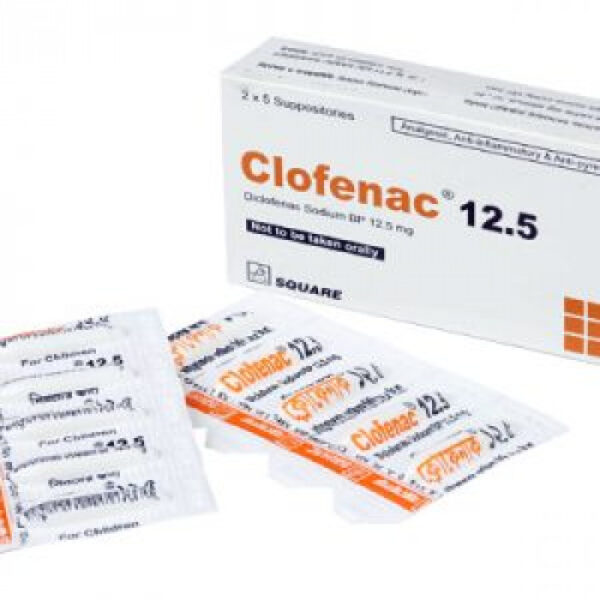
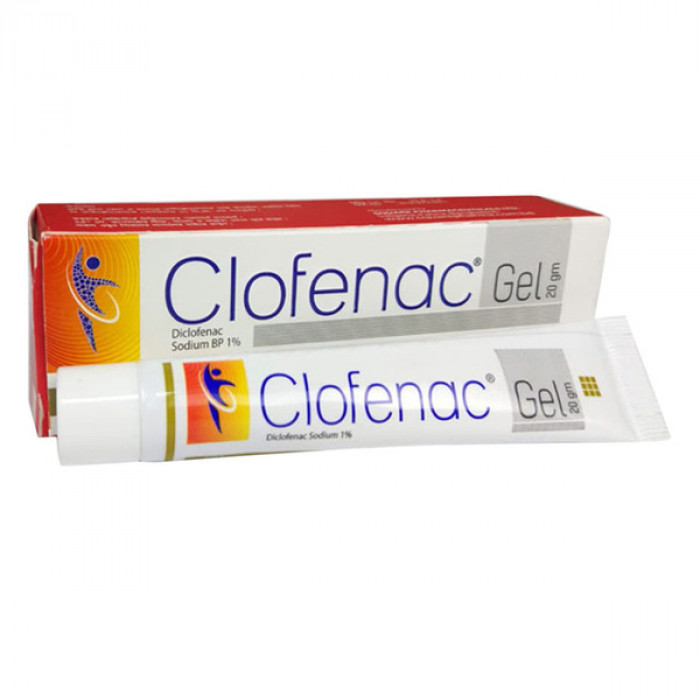
Manufacturer: Square Pharmaceuticals Ltd.
Generic: Diclofenac Sodium
Type: Gel
Pack Size: 20gm

Hurry and get discounts on all Apple devices up to 20%
Sale_coupon_15
40.00৳ Original price was: 40.00৳ .38.00৳ Current price is: 38.00৳ .
Clofenac / Diclofenac 1% Gel is a topical medication that is used for fast and long-lasting relief from pain. It is specifically designed to provide relief from various musculoskeletal conditions such as joint pain, backache, muscle stiffness, swelling, and inflammation.
The active ingredient in Clofenac 1% Gel is Diclofenac, which is a widely recognized and doctor-recommended ingredient for acute pain relief. Diclofenac belongs to the class of nonsteroidal anti-inflammatory drugs (NSAIDs) and works by reducing inflammation and blocking the production of certain chemicals in the body that cause pain.
Clofenac 1% Gel is a nonsteroidal anti-inflammatory drug (NSAID) that is commonly used for pain relief and reducing inflammation associated with various conditions, including osteoarthritis, rheumatoid arthritis, ankylosing spondylitis, lower back pain, and neck pain. It can also be prescribed for post-operative pain management.
The medication works by inhibiting the production of certain chemicals in the body that cause pain and swelling. However, it’s important to note that every individual may respond differently to medications, and the effectiveness of Clofenac 1% Gel can vary from person to person.
While Clofenac 1% Gel can be beneficial, it may also have some side effects. Common side effects include nausea, headache, stomach pain, and diarrhea. If these side effects persist or worsen, it is advisable to consult your doctor. Additionally, if you have known allergies to diclofenac sodium or any other NSAIDs, it’s crucial to inform your doctor to avoid any adverse reactions.
Some individuals may experience dizziness, drowsiness, or visual disturbances while taking Clofenac 1% Gel In such cases, it is recommended to exercise caution when driving or operating machinery that requires concentration. It is also advised to avoid consuming alcohol while taking this medication as it can intensify the drowsiness and increase the risk of stomach-related issues.
To ensure the safe use of Clofenac 1% Gel it is important to share your complete medical history with your doctor. This includes any pre-existing conditions such as heart disease, liver disease, kidney disease, or clotting disorders. Inform your doctor about any other medications you are currently taking, including over-the-counter drugs and supplements. If you are pregnant, planning a pregnancy, or breastfeeding, it is crucial to discuss this with your doctor, as they can evaluate the potential risks and benefits for your specific situation.
Baby Mom
Diabetic Care
Health Devices
Medicines
Personal Care
Sexual Wellbeing
Vital Wellness
Vitamins Supplements
Women Care