


-5%
 Baby Mom
 Diabetic Care
 Health Devices
 Medicines
 Personal Care
 Sexual Wellbeing
 Vital Wellness
 Vitamins Supplements
 Women Care

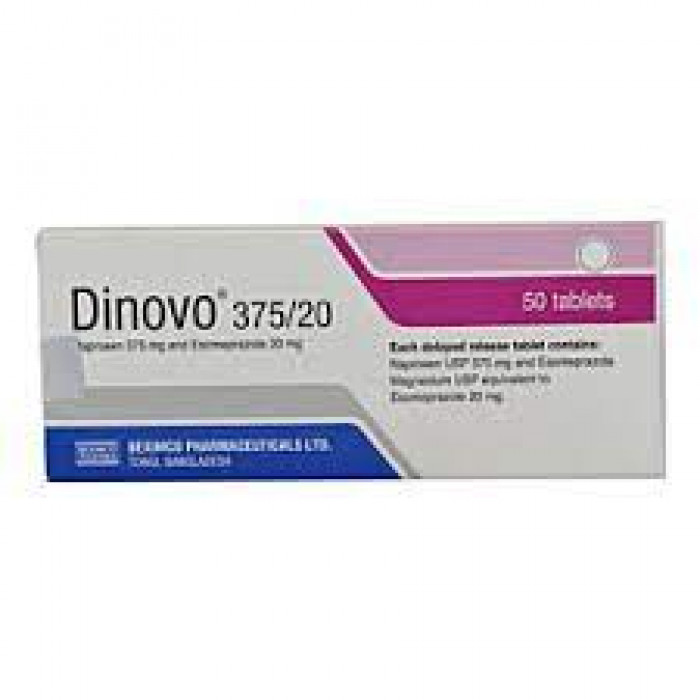
Manufacturer: Beximco Pharmaceuticals Ltd.
Generic: Esomeprazole 20 mg + Naproxen 375 mg
Type: Tablet
Pack Size: 10 Pcs

Hurry and get discounts on all Apple devices up to 20%
Sale_coupon_15
120.00৳ Original price was: 120.00৳ .114.00৳ Current price is: 114.00৳ .
Generic Name: Esomeprazole 20 mg + Naproxen 375 mg
Manufacturer/Distributor: Beximco Pharmaceuticals Ltd.
Indications
Naproxen and Esomeprazole are used to treat the signs and symptoms of-
Pharmacology
This consists of a Naproxen core with an enteric coating and a magnesium esomeprazole instant-release coating. Esomeprazole is consequently released into the stomach first, and then Naproxen dissolves in the small intestine.
A nonsteroidal anti-inflammatory medication (NSAID) called naproxen has analgesic and antipyretic properties. Prostaglandin production is suppressed by naproxen, which is how it works. The H+/k+ -ATPase in the gastric parietal cell is inhibited by the proton pump inhibitor esomeprazole, which prevents stomach acid output. Esomeprazole reduces stomach acidity by directly affecting the proton pump, which stops the final stage of acid formation.
Dosage
Before choosing to use this medication, carefully weigh the advantages, dangers, and alternative treatment choices. Utilize the shortest possible time and lowest effective dose in accordance with each patient’s unique treatment objectives. A new course of treatment should be taken into consideration if an Esomeprazole dose less than the recommended daily maximum of 40 mg is more effective.
Osteoarthritis, ankylosing spondylitis, and rheumatoid arthritis
Administration
Do not split, chew, crush or dissolve the tablet. This tablet is to be taken at least 30 minutes before meals.
Interaction
Contraindications
Side Effects
Pregnancy & Lactation
C is the pregnancy category. It should be avoided in late pregnancy since it may cause premature closure of the ductus arteriosus. Because of the Naproxen component, this tablet should not be taken by nursing mothers.
Precautions & Warnings
Patients who have a history of CV disease or risk factors may be at a higher risk. In patients with fluid retention or heart failure, this pill should be taken with care.
Storage Conditions
Store at temperatures below 30°C and keep away from light and moisture. Keep out of children’s reach.
Baby Mom
Diabetic Care
Health Devices
Medicines
Personal Care
Sexual Wellbeing
Vital Wellness
Vitamins Supplements
Women Care