


-5%
 Baby Mom
 Diabetic Care
 Health Devices
 Medicines
 Personal Care
 Sexual Wellbeing
 Vital Wellness
 Vitamins Supplements
 Women Care
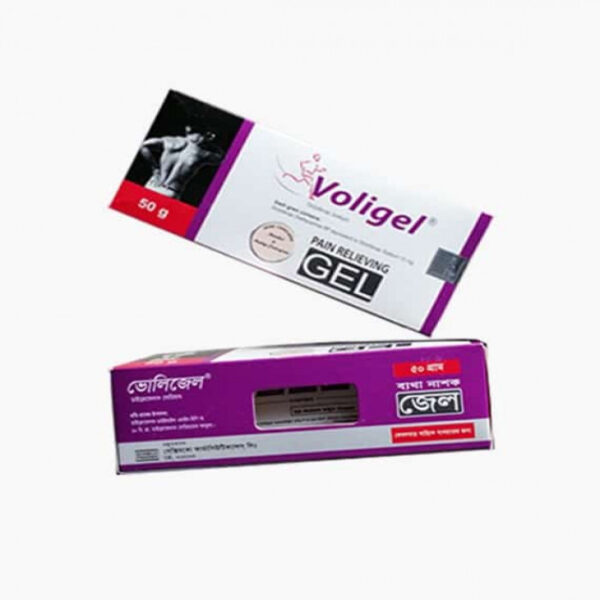
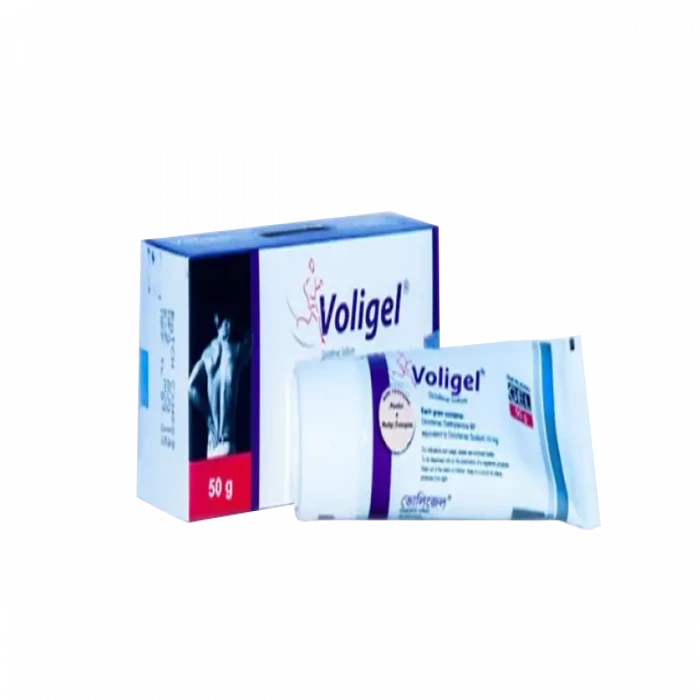
Manufacturer: Beximco Pharmaceuticals Ltd.
Generic: Diclofenac Sodium
Type: Tube
Pack Size: 50gm

Hurry and get discounts on all Apple devices up to 20%
Sale_coupon_15
97.00৳ Original price was: 97.00৳ .92.15৳ Current price is: 92.15৳ .
Generic Name: Diclofenac Sodium 1%
Manufacturer: Beximco Pharmaceuticals Ltd.
Indications of Voligel Gel 50gm
Pharmacology of Voligel Gel 50gm
A non-steroidal anti-inflammatory drug called diclofenac sodium has anti-rheumatic, anti-inflammatory, analgesic, and antipyretic properties (NSAID). Additionally, it has uricosuric qualities. Diclofenac works by preventing the synthesis of prostaglandins, which are essential for the emergence of inflammation, discomfort, and fever. Diclofenac is quickly and completely absorbed from the gastrointestinal tract when taken with or after a meal. Peak plasma concentrations are attained two hours after consumption, on average. At therapeutic doses, it is 99.7% bound to plasma proteins. Diclofenac undergoes a first-pass metabolization process in the liver.
Voligel Gel 50gm Dosage & Administration
Diclofenac Gel:
Contraindications
Patients who are hypersensitive to any of the items’ ingredients should avoid using them. Peptic ulcer, hypersensitivity to Diclofenac, as well as other non-steroid anti-inflammatory agents. Diclofenac is also contra-indicated in asthmatic patients who have had an attack of asthma, urticaria, or acute rhinitis triggered by acetylsalicylic acid or other drugs that inhibit prostaglandin synthetase. Under occlusive airtight dressings, this Gel should not be utilized.
Side Effects
Diclofenac Sodium is well tolerated by most people. Mild, infrequent, and temporary side effects are common. Patients may have epigastric pain, eructation, nausea, and diarrhea, as well as dizziness or headache, during the commencement of treatment. In most cases, these side effects are minor. There have also been reports of peripheral edema and skin responses such as rash and dermatitis. Diclofenac Sodium Gel can produce skin irritation, reddening, and a rash on the affected area.
Pregnancy & Lactation
Diclofenac should only be used if absolutely necessary during pregnancy. The smallest dose that is effective should be utilized. These medications are not advised to be taken during the first trimester of pregnancy. Diclofenac Sodium Gel is not suggested during pregnancy due to a lack of clinical evidence. Although a trace amount of Diclofenac may be discovered in breast milk, no adverse effects on the newborn are expected.
Precautions & Warnings
In rare cases, patients using Diclofenac may develop peptic ulcers or experience gastrointestinal bleeding. Patients in their advanced years should be closely monitored. Diclofenac Sodium Gel should not be applied to the eyes or mucous membranes, and the hands should be thoroughly cleansed after application. It should not be consumed by mouth
Storage Conditions
Store in a cool and dry place, protected from light. Store below 30°C. Keep out of the reach of children.
Baby Mom
Diabetic Care
Health Devices
Medicines
Personal Care
Sexual Wellbeing
Vital Wellness
Vitamins Supplements
Women Care