

-5%
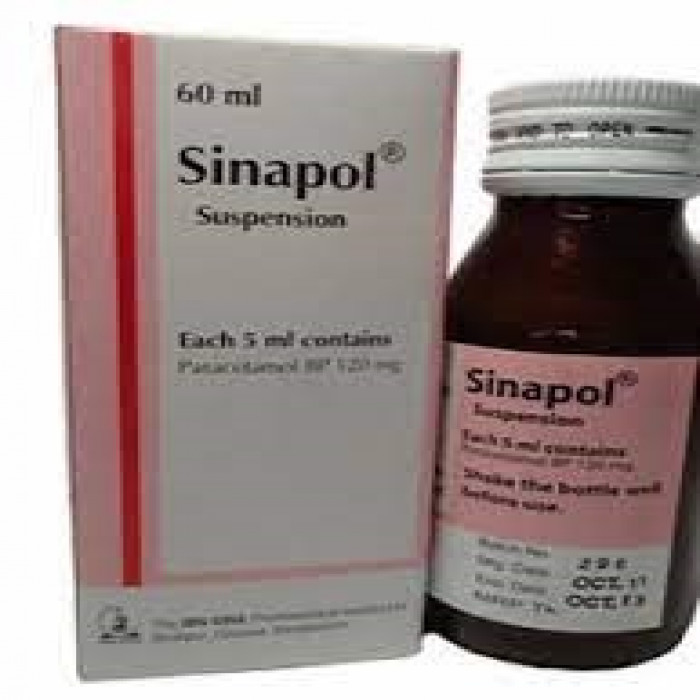

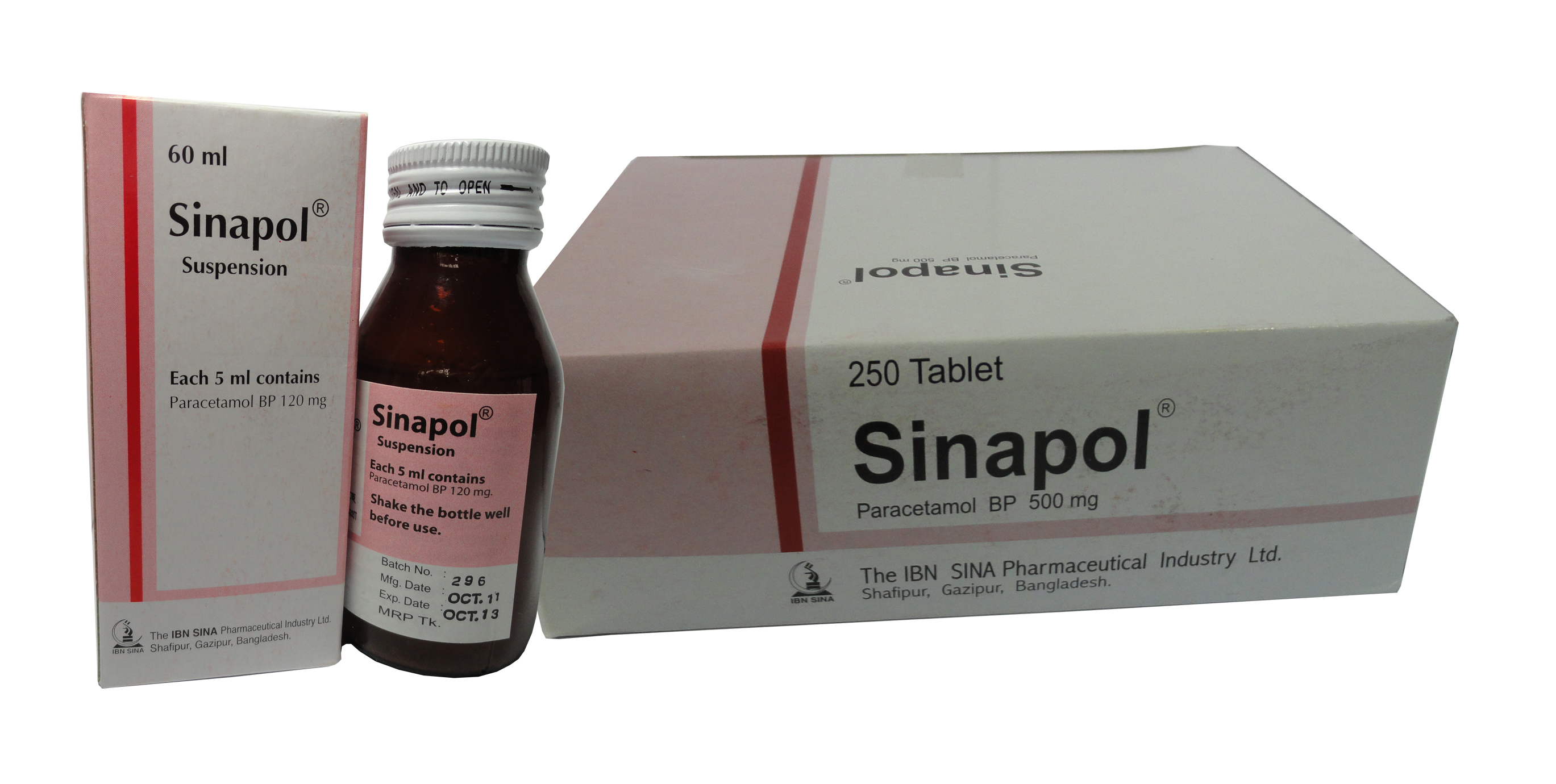
Sinapol 120 mg/5 ml Suspension is a medication that performs its action by obstructing the release of pain and fever chemical messengers.
Paracetamol acts primarily in the central nervous system (CNS) to relieve pain and reduce fever. It increases the pain threshold by inhibiting prostaglandin synthesis and acts on the hypothalamic heat-regulating center to produce antipyresis.
Unlike NSAIDs, it has minimal peripheral anti-inflammatory action. Its exact mechanism involves inhibition of COX enzymes (including COX-1, COX-2, and possibly COX-3), which reduces prostaglandin production. This results in analgesic and antipyretic effects without significant gastrointestinal irritation or platelet inhibition.
Dosage varies by formulation and age:
Do not exceed the recommended daily dose.
Sinapol should not be used in patients with:
Generally well tolerated. Rare but possible adverse effects include:
Paracetamol is generally considered safe during pregnancy when used at recommended doses. It passes into breast milk in small amounts but is not known to cause harmful effects in infants. Use only under medical guidance.
Overdose may cause severe liver injury, which can be life-threatening. Early symptoms include nausea, vomiting, abdominal pain, and loss of appetite. Severe cases may progress to liver failure, kidney damage, metabolic acidosis, or death.
Immediate medical treatment is required. Activated charcoal may be used if taken recently, and N-acetylcysteine is the specific antidote.
Non-opioid analgesic and antipyretic
Store in a cool, dry place away from light and heat. Keep out of reach of children.