


-5%
 Baby Mom
 Diabetic Care
 Health Devices
 Medicines
 Personal Care
 Sexual Wellbeing
 Vital Wellness
 Vitamins Supplements
 Women Care
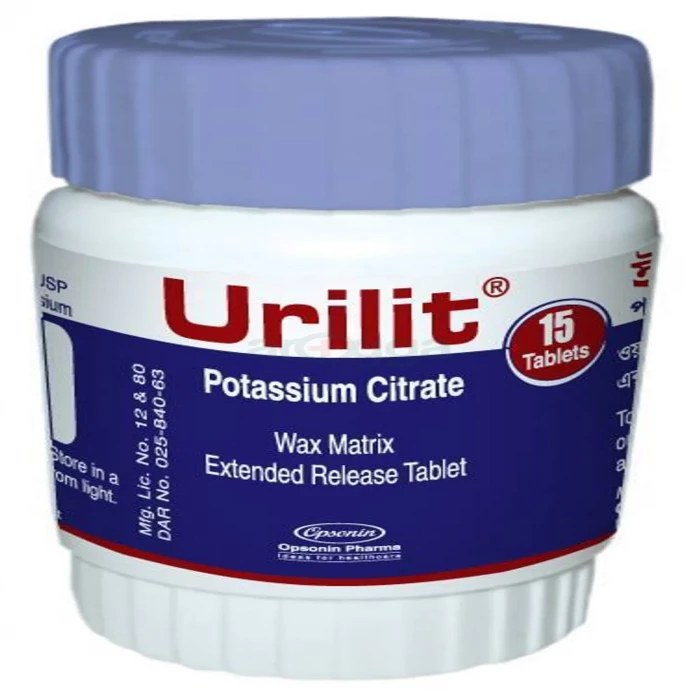
Manufacturer: Opsonin Pharma Limited
Generic: Potassium Citrate
Type: Capsule
Pack Size: 15 Pcs

Hurry and get discounts on all Apple devices up to 20%
Sale_coupon_15
150.00৳ Original price was: 150.00৳ .142.50৳ Current price is: 142.50৳ .
Indications:
This medication is used for the following purposes:
Adult Dose:
Child Dose:
Safety and efficacy in children have not been established.
Contraindications:
Do not use this medication if you have:
Mode of Action:
This medication alkalinizes urine by binding with urinary calcium.
Precautions:
Before using this medication, inform your doctor or pharmacist of your medical history, especially if you have a history of:
Before undergoing surgery, inform your healthcare provider that you are taking this medication.
Side Effects:
Common side effects may include nausea, vomiting, diarrhea, and stomach pain. Taking this medication after meals can help prevent these side effects. It’s possible that an empty tablet shell may appear in your stool; this is harmless as your body has already absorbed the medication. However, this drug may cause serious stomach or intestinal problems such as bleeding, blockage, or puncture. High potassium levels in the blood (hyperkalemia) may also occur, though it is rare. Allergic reactions to this drug are very rare but can be serious.
Interactions:
This medication may interact with potassium-sparing diuretics, anticholinergic drugs, and other medications that delay gastrointestinal transit time.
Baby Mom
Diabetic Care
Health Devices
Medicines
Personal Care
Sexual Wellbeing
Vital Wellness
Vitamins Supplements
Women Care