-5%
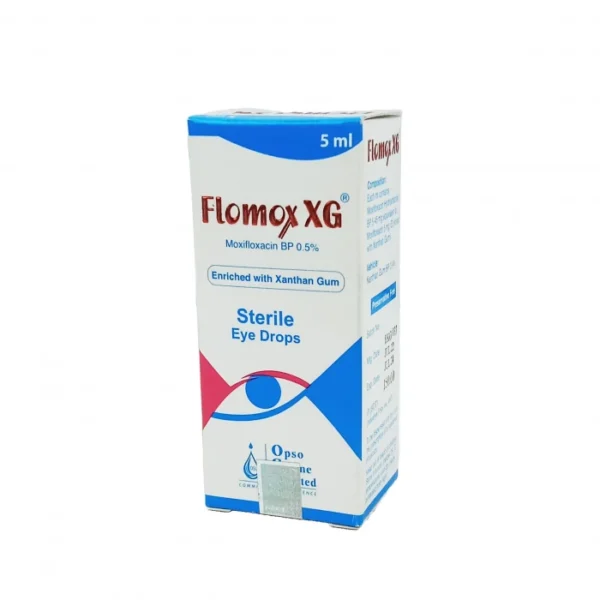
Moxigen ophthalmic solution, used for bacterial eye infections, and Moxifloxacin, an oral antibiotic used for various systemic infections.
Moxigen Ophthalmic Solution:
Indications:
- Used for bacterial conjunctivitis caused by susceptible strains of bacteria, including both Gram-positive and Gram-negative organisms, as well as Chlamydia trachomatis.
- Also used intraocularly to prevent postoperative bacterial endophthalmitis.
Pharmacology:
- Works by inhibiting bacterial DNA gyrase and topoisomerase IV enzymes, essential for bacterial DNA replication.
Dosage & Administration:
- Eye Drops: One drop into the affected eye(s) three times daily for 7 days.
- Eye Ointment: Applied thinly and evenly to the affected eye(s) three times daily initially, then reduced to twice daily as directed.
- Intraocular Injection: Administered before ocular surgery in a dose determined by the physician.
Contraindications:
- Hypersensitivity to moxifloxacin or other quinolones.
Side Effects:
- Common ocular side effects include discomfort, dry eye, burning sensation.
- Nonocular side effects reported infrequently include systemic symptoms like fever, increased cough.
Pregnancy & Lactation:
- Use during pregnancy and breastfeeding should be decided based on potential risks and benefits, with caution advised due to potential harm to the fetus or infant.
Precautions & Warnings:
- May cause temporary blurring of vision; caution advised when driving or operating machinery.
- Avoid wearing contact lenses during treatment.
Storage Conditions:
- Store below 25°C, protected from light, and discard after one month of opening.
Moxifloxacin (Systemic Use):
Indications:
- Used for various systemic infections including pneumonia, sinusitis, skin infections, and typhoid fever.
Dosage & Administration:
- Dosage varies depending on the type and severity of infection, typically administered orally once daily.
Contraindications:
- Known hypersensitivity to moxifloxacin or other quinolones.
- Conditions such as prolonged QT interval, uncorrected hypokalemia, myasthenia gravis, and concurrent use of certain medications (e.g., antiarrhythmics) are contraindicated.
Side Effects:
- Common side effects include nausea, diarrhea, dizziness.
- Serious adverse effects such as tendon rupture, allergic reactions, and QT interval prolongation are rare but possible.
Interaction:
- Can interact with medications that prolong QT interval (e.g., certain antibiotics, antipsychotics), and absorption may be affected by antacids containing aluminum, magnesium, iron, or zinc.
Pregnancy & Lactation:
- Generally avoided in pregnancy and breastfeeding due to potential risks unless deemed necessary by a healthcare provider.
Precautions & Warnings:
- Regular monitoring is recommended during therapy, especially for signs of infection and adverse reactions.
- Caution in patients with underlying conditions such as diabetes, renal impairment, or history of tendon disorders.