


-5%
 Baby Mom
 Diabetic Care
 Health Devices
 Medicines
 Personal Care
 Sexual Wellbeing
 Vital Wellness
 Vitamins Supplements
 Women Care
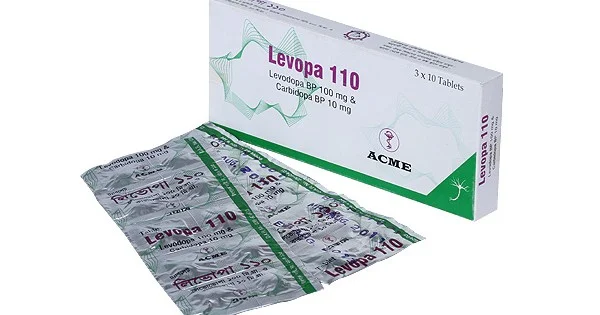
Manufacturer: Acme Laboratories Ltd.
Generic: Carbidopa + Levodopa
Type: Tablet
Pack Size: 10 Pcs

Hurry and get discounts on all Apple devices up to 20%
Sale_coupon_15
40.00৳ Original price was: 40.00৳ .38.00৳ Current price is: 38.00৳ .
Levopa 110 is a combination medication containing levodopa and carbidopa, used to manage the symptoms of Parkinson’s disease, including tremors, muscle rigidity, and movement difficulties. It is considered one of the most effective treatments for controlling Parkinson’s symptoms.
- Immediate-release tablets: Usually started at 25 mg/100 mg every 8 hours or 10 mg/100 mg every 6–8 hours.
- The levodopa dose may be increased by 100 mg per day every 1–2 days as needed.
- Carbidopa intake should generally be 70–100 mg daily and should not exceed 200 mg per day.
- Levodopa intake should not exceed 800 mg daily.
- Controlled-release tablets: Typically started at 50 mg/200 mg every 12 hours and may be increased up to 1600 mg of levodopa per day, with doses spaced at least 6 hours apart.
Children
Renal or Hepatic Impairment
Baby Mom
Diabetic Care
Health Devices
Medicines
Personal Care
Sexual Wellbeing
Vital Wellness
Vitamins Supplements
Women Care