


-5%
 Baby Mom
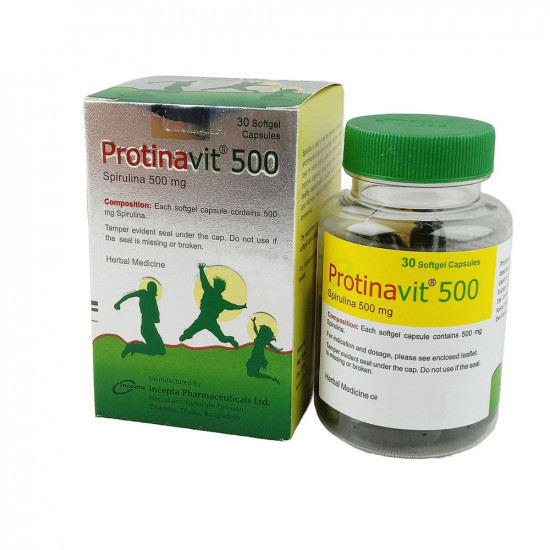
Manufacturer: Bexter Herbal & Nutraceuticals
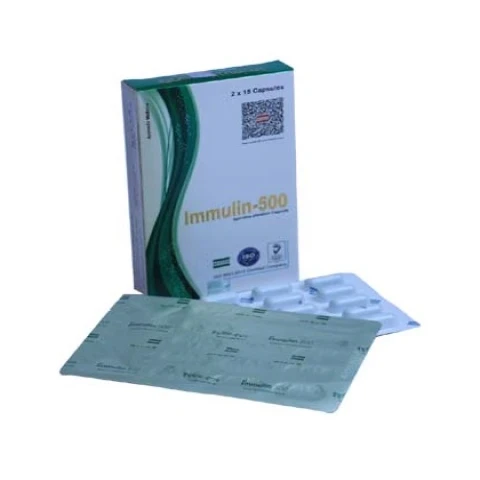
Generic: Spirulina
Type: Capsule
Pack Size: 30 Pcs

Hurry and get discounts on all Apple devices up to 20%
Sale_coupon_15
690.00৳ Original price was: 690.00৳ .655.50৳ Current price is: 655.50৳ .
protein deficiency. Immune deficiency, Vitamin and minerals deficicncy, Antioxidant capacity, Antibiotic-related illness
Spirulina is used for the treatment and prevention of malnutrition, diabetes, arthritis, asthma, hyperglycemia, anemia, allergic rhinitis, and to enhance immunity. Spirulina helps to maintain healthy eyes and skin.
2 to 4 capsules daily or as advised by the physician.
No reports suggest that spirulina interacts with any conventional medication.
Spirulina is contraindicated in those who are hypersensitive to any component of this product.
Spirulina is generally well-tolerated. Occasional diarrhea and gastrointestinal discomfort, such as nausea, have been reported. Also, there are a few reports of allergic reactions to spirulina-containing supplements.
Before taking spirulina, pregnant or breastfeeding women should talk to their physician.
Before taking spirulina, pregnant or breastfeeding women should talk to their physician.
Store in a cool and dry place. Keep away from direct sunlight. Keep out of reach of the children.
Baby Mom
No account yet?
Create an Account