-5%
Safety Advices:
- Alcohol: No interaction found/established.
- Pregnancy: Considered safe if prescribed. Limited human studies, but animal studies show low or no adverse effects.
- Breastfeeding: Probably safe if prescribed. Limited human data suggests no significant risk to the baby.
- Driving: No interaction found/established.
- Kidney: No interaction found/established.
- Liver: No interaction found/established.
Medical Overview:
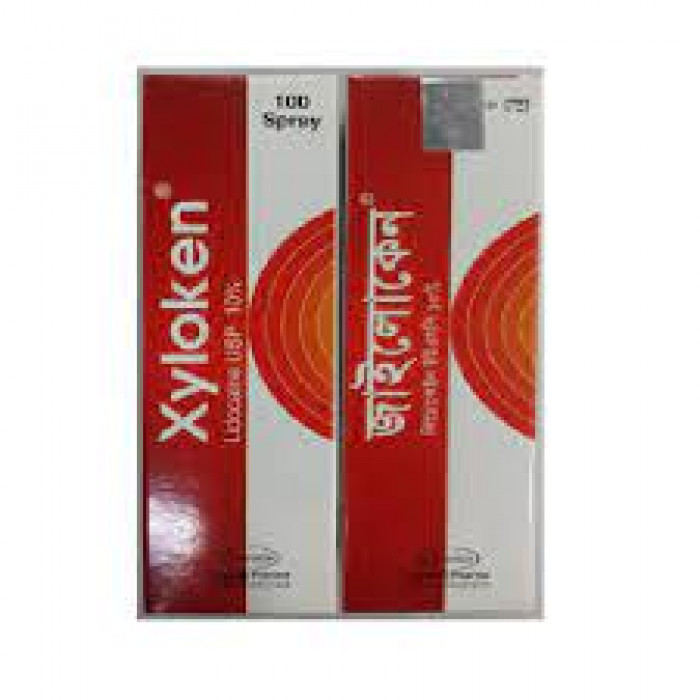
- Introduction: Xyloken 10ml is a local anesthetic used to numb certain areas of the body. It is also used for the treatment of symptoms of painful inflammation of the urethra and bladder.
- Uses: Local anesthesia (numbing tissues in a specific area).
- Side effects: Common side effects include allergic reactions and application site reactions (burning, irritation, itching, and redness).
How to Use:
- For external use only. Apply in the dose and duration as advised by your doctor.
- Clean and dry the affected area before applying the gel.
- Wash hands after applying unless hands are in the affected area.
How Xyloken 10ml Works:
- Xyloken 10ml is a local anesthetic that works on the skin by blocking pain signals from nerves to the brain, numbing the area and decreasing pain sensation.
Quick Tips:
- Prescribed for relieving itching and pain caused by various skin conditions.
- Apply over the affected area three to four times a day or as directed by your doctor.
- Do not apply to broken or infected areas unless instructed.
- Avoid contact with eyes, mouth, and nose.
- Consult your doctor if the skin condition does not improve after 2-4 weeks of treatment.
- Inform your doctor if you are pregnant, planning pregnancy, or breastfeeding.
Brief Description:
- Indications: Hemorrhoids, itching, perianal pain, postherpetic neuralgia, surface anesthesia, burning and pain, skin inflammations, anorectal disorders, and anesthetic lubricant for intubation.
- Dosage: Varied based on the indication and age of the patient.
- Contraindication: Hypovolaemia, heart block, or other conduction disturbances.
- Mode of Action: Lidocaine stabilizes the neuronal membrane, inhibiting Na ion movements necessary for impulse conduction.
- Precautions: Caution is advised in hepatic or renal impairment, CHF, bradycardia, respiratory depression, porphyria, elderly or debilitated patients, pregnancy, and lactation.
- Side Effects: Application site reactions, abnormal sensations, CNS excitation and/or depression, cardiovascular manifestations. Potentially fatal: Hypotension and bradycardia leading to cardiac arrest, and anaphylaxis.
- Interactions: May interact with cimetidine, propranolol, beta-blockers, antiarrhythmics, phenytoin, acetazolamide, loop diuretics, and thiazides.