


-2%
 Baby Mom
 Diabetic Care
 Health Devices
 Medicines
 Personal Care
 Sexual Wellbeing
 Vital Wellness
 Vitamins Supplements
 Women Care
Manufacturer: Other
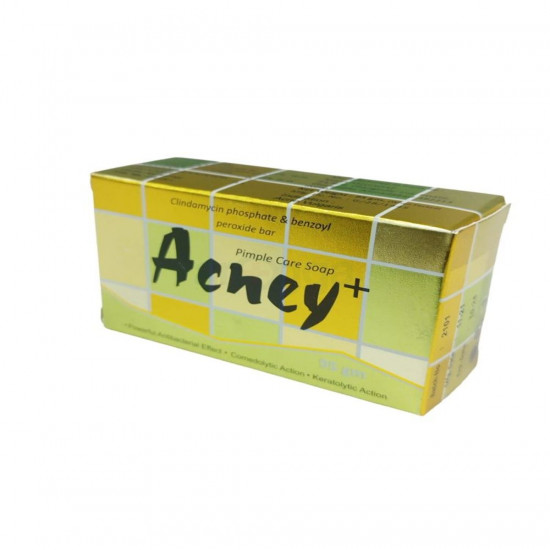
Generic: Clindamycin Phosphate + Benzoyl Peroxide
Type: Bar
Pack Size: 1 Pc

Hurry and get discounts on all Apple devices up to 20%
Sale_coupon_15
675.00৳ Original price was: 675.00৳ .661.50৳ Current price is: 661.50৳ .
Clindamycin inhibits bacterial protein synthesis by binding to 23S RNA of the 50S subunit of the bacterial ribosome. It impedes both the assembly of the ribosome and the translation process. The molecular mechanism through which this occurs is thought to be due to clindamycin’s three-dimensional structure, which closely resembles the 3′-ends of L-Pro-Met-tRNA and deacylated-tRNA during the peptide elongation cycle – in acting as a structural analog of these tRNA molecules, clindamycin impairs peptide chain initiation and may stimulate dissociation of peptidyl-tRNA from bacterial ribosomes.
The peroxide bond of benzoyl peroxide is cleaved to form 2 benzoyloxy radicals.1 These radicals interact nonspecifically with bacterial proteins, interfering with their function and the survival of the bacteria. Over time, free radical interactions with bacterial proteins lead to decreased keratin and sebum around follicles. Benzoyl peroxide can also increase the turnover rate of epithelial cells, leading to skin peeling and breaking down comedones.
Acney+ Bar comes in the form of soap to treat inflammatory acne vulgaris with a combination of Clindamycin Phosphate & Benzoyl Peroxide. As an antiseptic, benzoyl peroxide helps to lessen the number of bacteria on the surface of your skin. It has bleaching properties, and with regular use, it might also make your skin appear brighter. Clindamycin Phosphate is an antibiotic that works by stopping the growth of bacteria. It lightens post-acne dark spots by switching damaged skin cells with newer ones.
The Clindamycin Phosphate & Benzoyl Peroxide Soap is made with safe and strictly tested procedures to treat pimples and acne on the face. Its cleansing properties will remove all the dirt and will prevent further acne breakouts.
Baby Mom
Diabetic Care
Health Devices
Medicines
Personal Care
Sexual Wellbeing
Vital Wellness
Vitamins Supplements
Women Care