


-2%
 Baby Mom
 Diabetic Care
 Health Devices
 Medicines
 Personal Care
 Sexual Wellbeing
 Vital Wellness
 Vitamins Supplements
 Women Care


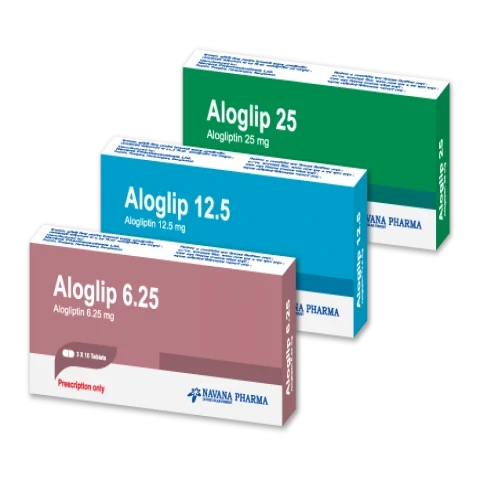
Manufacturer: Navana Pharmacuticals Ltd.
Generic: Alogliptin
Type: Tablet
Pack Size: 10 Pcs

Hurry and get discounts on all Apple devices up to 20%
Sale_coupon_15
120.00৳ Original price was: 120.00৳ .117.60৳ Current price is: 117.60৳ .
Aloglip contains alogliptin, a selective DPP-4 inhibitor. It prevents the rapid breakdown of incretin hormones such as GLP-1 and GIP. This increases their activity, helping the pancreas release insulin when blood glucose is elevated and reducing glucagon secretion. As a result, glucose production by the liver decreases, and both fasting and after-meal blood sugar levels are improved.
Aloglip is an oral antidiabetic medicine used along with a healthy diet and regular exercise to improve blood sugar control in adults with type 2 diabetes mellitus.
রেজিস্টার্ড চিকিৎসকের পরামর্শ মোতাবেক ঔষধ সেবন করুন।
The usual recommended dose for adults with normal kidney function or mild renal impairment is:
The dose should be adjusted in patients with reduced kidney function.
Patients receiving hemodialysis may take alogliptin without regard to the timing of dialysis.
Alogliptin is primarily eliminated through the kidneys, with minimal metabolism through CYP450 enzymes. Therefore, it has a relatively low potential for significant drug interactions.
However, when used with insulin or sulfonylureas, the risk of hypoglycemia may increase. Your doctor may reduce the dose of the insulin or insulin-secretagogue when necessary.
Aloglip should not be used in patients who have previously experienced a serious allergic reaction to alogliptin-containing medicines, such as:
Common side effects may include:
Seek medical attention if symptoms suggesting pancreatitis, severe allergic reactions, or significant liver problems develop.
There are insufficient well-controlled studies of alogliptin in pregnant women. It should be used during pregnancy only when clearly needed and under medical supervision.
It is not known whether alogliptin passes into human breast milk. Breastfeeding women should consult their doctor before using this medicine.
Pancreatitis has been reported with DPP-4 inhibitors. If severe, persistent abdominal pain occurs, particularly if it radiates to the back and is accompanied by nausea or vomiting, contact a doctor promptly. If pancreatitis is suspected, alogliptin should be discontinued.
Serious allergic reactions, including anaphylaxis, angioedema, and severe skin reactions, have been reported. Discontinue the medicine and seek urgent medical attention if swelling of the face, lips, tongue, or throat, breathing difficulty, or a severe skin reaction develops.
Rare cases of liver injury and hepatic failure have been reported. If symptoms such as yellowing of the skin or eyes, dark urine, unusual fatigue, or persistent nausea occur, medical evaluation is required.
Alogliptin alone generally has a low risk of causing hypoglycemia. However, the risk can increase when it is combined with insulin or sulfonylureas.
Clinical studies have evaluated doses considerably higher than the recommended dose without serious adverse events. In case of suspected overdose, appropriate medical monitoring and supportive treatment should be provided.
Alogliptin is minimally removed by hemodialysis, so dialysis is unlikely to be useful as a treatment for overdose.
Dipeptidyl Peptidase-4 (DPP-4) Inhibitor
Store below 30°C, protected from light and moisture. Keep out of the reach and sight of children.
Baby Mom
Diabetic Care
Health Devices
Medicines
Personal Care
Sexual Wellbeing
Vital Wellness
Vitamins Supplements
Women Care