


-5%
 Baby Mom
 Diabetic Care
 Health Devices
 Medicines
 Personal Care
 Sexual Wellbeing
 Vital Wellness
 Vitamins Supplements
 Women Care
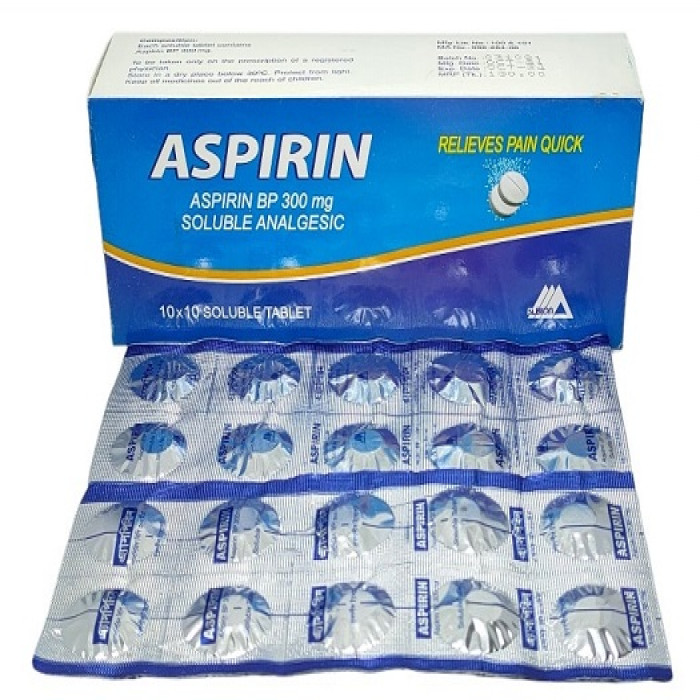
Manufacturer: Albion Laboratories Ltd.
Generic: Aspirin
Type: Tablet
Pack Size: 10pcs

Hurry and get discounts on all Apple devices up to 20%
Sale_coupon_15
22.00৳ Original price was: 22.00৳ .20.90৳ Current price is: 20.90৳ .
Aspirin prevents the formation of blood clots in the body and reduces the risk of its associated conditions (like heart attack or stroke)
Aspirin belongs to the class of anti-inflammatory and blood-thinning/antiplatelet agents. Its use varies according to its strength. In low doses (about 75 mg), it acts as a blood-thinning or antiplatelet agent to prevent heart attack and stroke. In high doses (about 325 mg), it acts as an analgesic, relieving minor aches, pains, and fevers. It may also be prescribed immediately after a heart attack to prevent further clots and heart tissue death.
Aspirin 300 plays a vital role in thinning the blood by its antiplatelet activity, decreasing the risk of blood clot formation and subsequent heart attack. It makes the blood less sticky, preventing the risk of heart attack and stroke. Additionally, it inhibits the activity of cyclooxygenase (COX) and prostaglandins (PGs) that cause inflammation, swelling, pain, and fever.
Aspirin 300 can be taken with or without food and swallowed whole with a glass of water. It should not be chewed, bitten, or broken. Your doctor will advise the dosage frequency based on your medical condition. ASPIRIN can be administered orally or rectally.
Avoid drinking alcohol, taking painkillers (ibuprofen, ketorolac), or the abortion pill (mifepristone) with Aspirin, as it can increase the risk of stomach or gastric bleeding. Aspirin should not be given to children with flu, fever, or chickenpox unless prescribed by a doctor due to the risk of Reye’s syndrome. Avoid using Aspirin during the last trimester of pregnancy and while breastfeeding due to possible harm to the unborn baby and nursing infant, respectively.
Baby Mom
Diabetic Care
Health Devices
Medicines
Personal Care
Sexual Wellbeing
Vital Wellness
Vitamins Supplements
Women Care