


-5%
 Baby Mom
 Diabetic Care
 Health Devices
 Medicines
 Personal Care
 Sexual Wellbeing
 Vital Wellness
 Vitamins Supplements
 Women Care
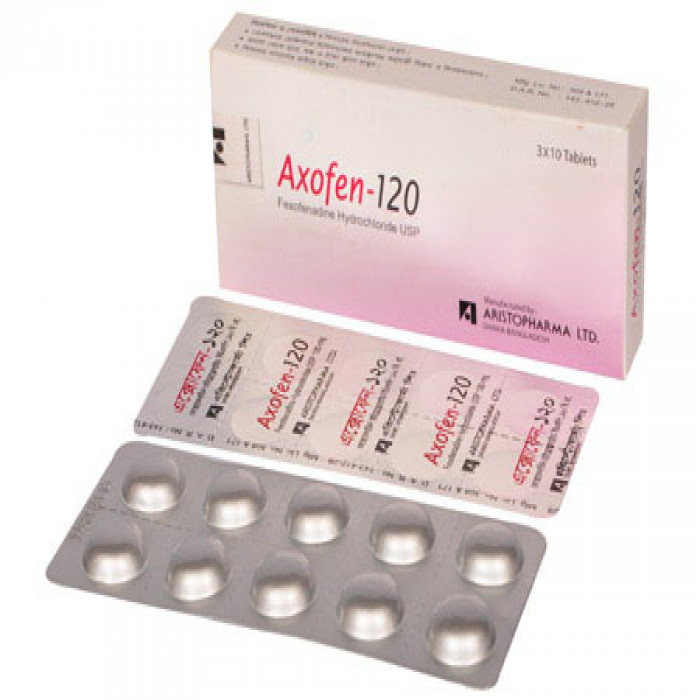
Manufacturer: Aristopharma Limited
Generic: Fexofenadine Hydrochloride
Type: Tablet
Pack Size: 10 Pcs

Hurry and get discounts on all Apple devices up to 20%
Sale_coupon_15
90.00৳ Original price was: 90.00৳ .85.50৳ Current price is: 85.50৳ .
Fexofenadine is a second-generation antihistamine, which means that it has a lower risk of causing drowsiness and other central nervous system side effects compared to first-generation antihistamines like diphenhydramine and chlorpheniramine.
Fexofenadine is a substrate of the drug transporter P-glycoprotein (P-gp), which means that it may interact with other drugs that inhibit or induce P-gp. Examples of P-gp inhibitors include ketoconazole, erythromycin, and grapefruit juice, while P-gp inducers include rifampin and St. John’s wort. These drugs may increase or decrease the blood levels of fexofenadine, leading to potential drug interactions and changes in efficacy or toxicity.
Fexofenadine is also metabolized by the liver enzyme CYP3A4 but to a lesser extent than some other antihistamines like terfenadine and astemizole. However, caution should still be exercised when co-administering fexofenadine with strong CYP3A4 inhibitors like clarithromycin and itraconazole.
The recommended dose of fexofenadine is usually 120mg once daily for adults and children over 12 years of age but may be adjusted based on individual needs and tolerability. The dispersible tablet should be dissolved in water before use, while the syrup and suspension should be shaken well before measuring and administering the dose. The duration of treatment may vary depending on the underlying condition and response to therapy but should be guided by the healthcare provider.
The medication Axofen 120mg Tablet is a member of the antihistamine or anti-allergic medicine class. It is mostly employed to treat different allergies. An allergic reaction is an immune system reaction to outside substances that are usually not detrimental to your body. These alien substances are referred to as “allergens.” The severity of allergies varies from individual to person. Some people may have dietary and seasonal allergies like hay fever. Others might, however, have allergies to pet dander or pollen.
Baby Mom
Diabetic Care
Health Devices
Medicines
Personal Care
Sexual Wellbeing
Vital Wellness
Vitamins Supplements
Women Care