


-1%
 Baby Mom
 Diabetic Care
 Health Devices
 Medicines
 Personal Care
 Sexual Wellbeing
 Vital Wellness
 Vitamins Supplements
 Women Care


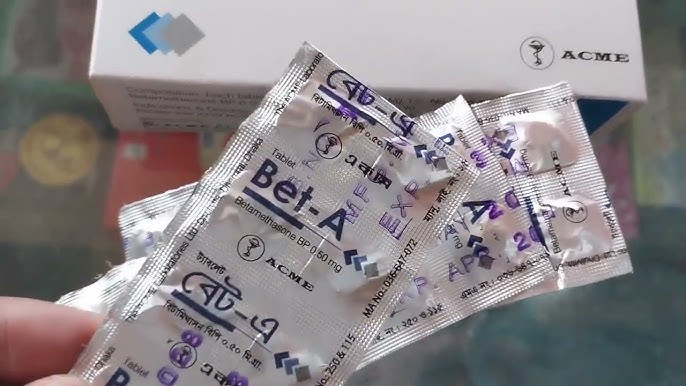
Manufacturer: Acme Laboratories Ltd.
Generic: Betamethasone
Type: Tablet
Pack Size: 10 Pcs

Hurry and get discounts on all Apple devices up to 20%
Sale_coupon_15
10.00৳ Original price was: 10.00৳ .9.90৳ Current price is: 9.90৳ .
Betamethasone is a corticosteroid that works by binding to glucocorticoid receptors, suppressing inflammatory responses while enhancing anti-inflammatory processes. Betamethasone phosphate is rapidly converted into active betamethasone, resulting in a relatively short duration of action.
Because corticosteroids can affect the body’s natural hormone production, prolonged use may suppress the hypothalamic-pituitary-adrenal (HPA) axis and increase susceptibility to infections.
Bet-A is a corticosteroid medication used to manage a variety of inflammatory and allergic conditions. It is commonly prescribed for:
Use only under the guidance of a registered physician.
Treatment should be individualized, using the lowest effective dose for the shortest possible duration.
Adults
Short-Term Therapy
Rheumatoid Arthritis
Children
Elderly Patients
Older adults may be more vulnerable to steroid-related complications; therefore, careful monitoring is recommended.
Drug Interactions
Betamethasone may interact with:
The effectiveness of Bet-A may be reduced by drugs that increase corticosteroid metabolism, including:
Contraindications
Bet-A should not be used in:
Side Effects
Possible adverse effects include:
Long-term or high-dose therapy may cause features of Cushing’s syndrome, such as:
These effects generally improve after discontinuation of treatment.
In children, prolonged corticosteroid therapy may slow growth and development.
Pregnancy & Lactation
Precautions & Warnings
Bet-A should be used cautiously in patients with:
Regular medical supervision is important during treatment, especially with long-term use.
Therapeutic Class
Corticosteroid
Storage Conditions
Store below 30°C in a dry place, protected from light and moisture. Keep out of reach of children.
Baby Mom
Diabetic Care
Health Devices
Medicines
Personal Care
Sexual Wellbeing
Vital Wellness
Vitamins Supplements
Women Care