


-5%
 Baby Mom

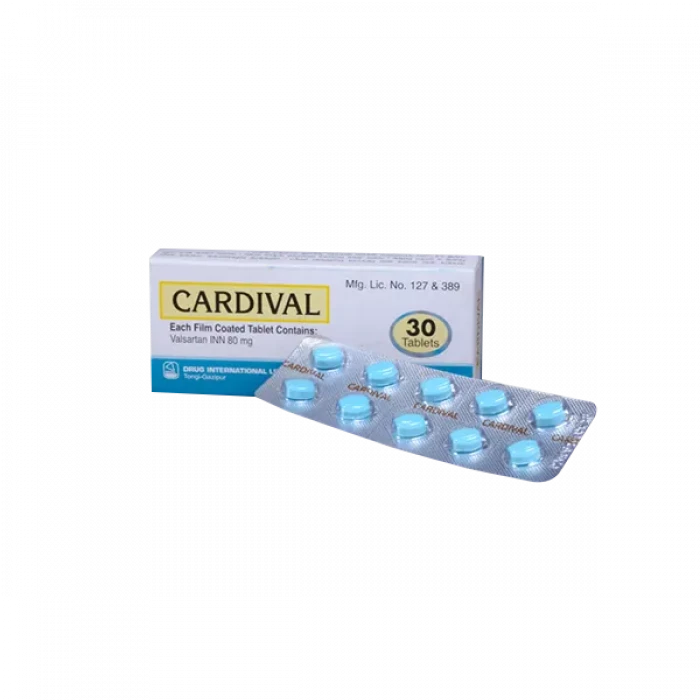
Manufacturer: Drug International Ltd.
Generic: Valsartan 80 mg
Type: Capsule
Pack Size: 30 Pcs

Hurry and get discounts on all Apple devices up to 20%
Sale_coupon_15
301.50৳ Original price was: 301.50৳ .286.43৳ Current price is: 286.43৳ .
Capsule Manufacturer/Distributor: Drug International Ltd. Generic Name: Valsartan 80 mg Capsule
Valsartan is indicated:
Valsartan is an oral medication that belongs to a class of medications called angiotensin receptor blockers (ARBs). It is a specific angiotensin II antagonist with oral activity, which acts on the AT1 subtype. Binding of angiotensin to its receptors causes the blood vessels to narrow (vasoconstriction), which leads to an increase in blood pressure (hypertension). Valsartan blocks angiotensin II receptors. By blocking the effects of angiotensin, valsartan can dilate blood vessels and lower blood pressure without affecting the pulse rate. The affinity of valsartan for the AT1 receptor is much greater than that of the AT2 receptor (about 20,000 times). It does not bind to or block other hormone receptors or ion channels that are known to be important for cardiovascular regulation.
Hypertension: The usual dose of Valsartan is 80 to 160 mg once daily. The maximum dose is 320 mg daily. Maximum blood pressure reduction occurs within 4 weeks.
Heart failure: The usual dose is 40 mg twice daily and may be increased to 80-160 mg twice daily.
Post-Myocardial Infarction: The initial dose after myocardial infarction is 20 mg twice daily. The dose should be increased with a target of 160 mg daily if tolerated without side effects.
Administration of Valsartan with food decreases the absorption of Valsartan by about 40%, so it should be taken on an empty stomach. No initial dosage adjustment is required for elderly patients with mild to moderate renal and hepatic insufficiency.
No clinically important drug interactions were found. Compounds that have been studied in clinical trials include cimetidine, warfarin, furosemide, digoxin, atenolol, indomethacin, hydrochlorothiazide, amlodipine, and glibenclamide.
Tan is not significantly metabolized, and clinically relevant drug interactions in the form of metabolic induction or inhibition are not expected to affect the cytochrome P450 system and valsartan. Although valsartan is highly bound to plasma proteins, in vitro static studies have not shown any interaction with molecules that are highly bound to multiple proteins at this level (such as diclofenac, furosemide, and warfarin). Concurrent use of potassium-sparing diuretics (such as spironolactone, triamterene, amiloride) potassium supplements or potassium-containing salt substitutes may lead to elevated serum potassium. If you think you need to use a combination drug, it is recommended to use it with caution
Valsartan is contraindicated in patients who are allergic to any component of this product.
Valsartan is generally well tolerated with few side effects. The most common side effects include headache, dizziness, fatigue, abdominal pain, cough, diarrhea and nausea. Patients may also experience hyperkalemia, impotence, decreased renal function, allergic reactions, dyspnea, constipation, back pain, muscle cramps, skin rash, anxiety, insomnia, and dizziness. If the patient is taking diuretics and valsartan at the same time, hypotension may also occur.
Pregnancy: Valsartan should not be used during pregnancy because it can cause fetal injury and even death in the second and third trimester. When pregnancy is detected, valsartan treatment should be stopped as soon as possible.
Lactating mothers: Whether valsartan is excreted in human milk is not clear. Due to the possibility of adverse reactions in nursing babies, the importance of the drug to the mother should be considered, and the decision to stop breastfeeding or medication should be stopped.
Hepatic impairment: Since most valsartan is excreted through bile, patients with mild to moderate hepatic impairment (including obstructive biliary disease) should be used with caution.
Impaired renal function: Patients with pre-existing impaired renal function may need to reduce or interrupt the dose.
Heart failure and myocardial infarction: Be cautious when starting treatment for patients with heart failure and myocardial infarction.
Angiotensin-ll receptor blocker
Store between 15-30° C. Protect from moisture and heat.
Baby Mom
No account yet?
Create an Account