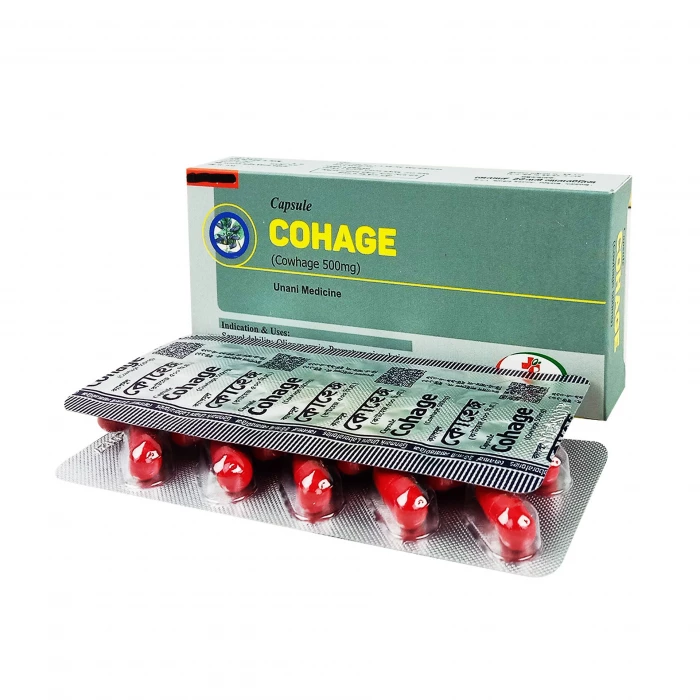
Cowhage (Mucuna pruriens) Overview
Origin and Usage:
- Geographic Range: Cowhage, a bean-like plant, grows wild in tropical regions like India, the Bahamas, and possibly southern Florida.
- Parts Used: The bean, seed, and hairs of the bean pod are utilized in traditional and modern medicine.
Traditional and Current Uses:
- Parkinson’s Disease: Historically used in Ayurvedic medicine for Parkinson’s disease due to its content of levodopa (L-dopa). It remains a common treatment option.
- Other Conditions:
- Anxiety
- Arthritis
- Parasitic Infections
- Hyperprolactinemia (high prolactin levels): Specifically effective in treating medication-induced hyperprolactinemia in men.
- Pain and Fever Relief
- Vomiting Induction
- Snakebite Treatment
- Topical Applications: Used for joint and muscle pain, stimulating blood flow in paralyzed areas, and treating scorpion stings.
How It Works:
- Levodopa (L-dopa) Content:
- Role in Parkinson’s Disease: L-dopa is converted into dopamine in the brain. Parkinson’s symptoms occur due to low dopamine levels. However, most L-dopa from cowhage is broken down in the body before it reaches the brain, limiting its effectiveness unless combined with other medications that prevent this breakdown.
Effectiveness:
- Prolactin Regulation:
- For Men: Effective in treating hyperprolactinemia caused by medications like chlorpromazine.
- For Women: Ineffective for hyperprolactinemia of unknown causes.
- Parkinson’s Disease:
- Combination Therapy: Some research suggests cowhage can improve Parkinson’s symptoms when combined with drugs like amantadine, selegiline, and anticholinergic agents.
- Other Uses: There is insufficient evidence to confirm its effectiveness for worm infestations, bone and joint conditions, muscle pain, or stimulating blood flow.
Caution:
- Levodopa Breakdown: Most of the L-dopa from cowhage does not reach the brain without other chemicals that prevent its breakdown, which are not naturally present in cowhage.



 Baby Mom
 Diabetic Care
 Health Devices
 Medicines
 Personal Care
 Sexual Wellbeing
 Vital Wellness
 Vitamins Supplements
 Women Care