

-2%
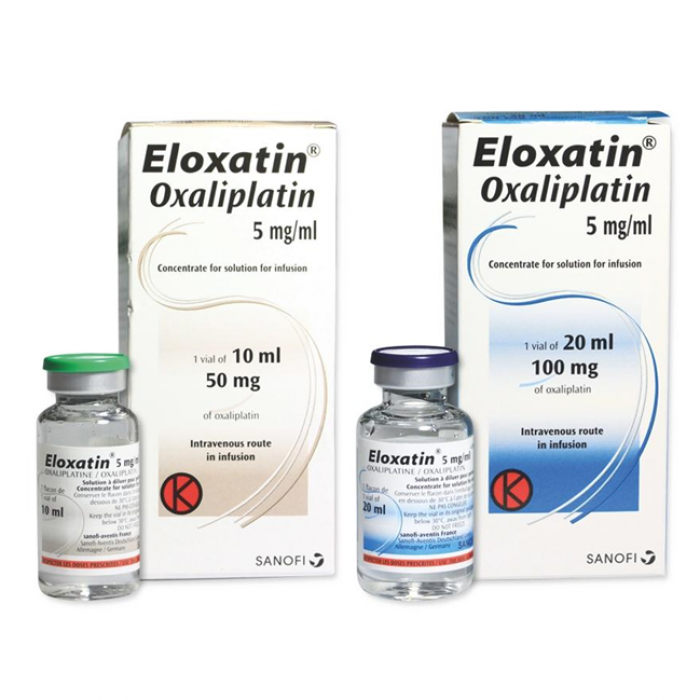

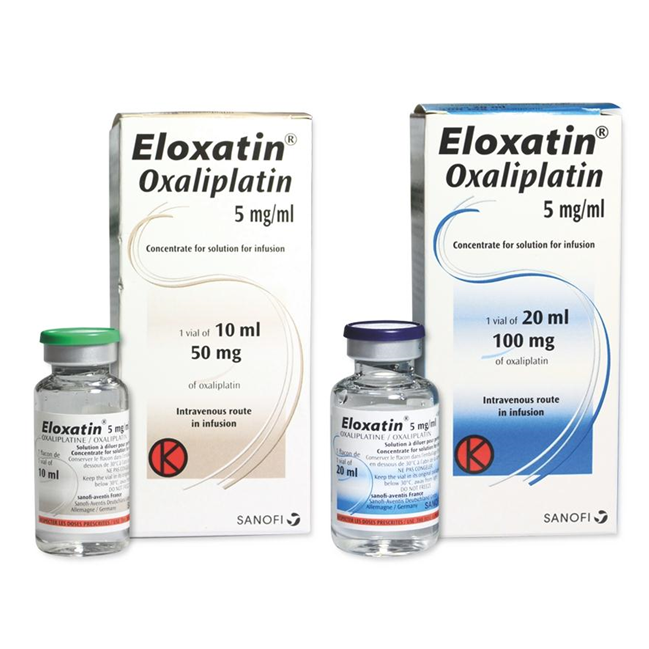
Oxaliplatin undergoes nonenzymatic conversion in physiologic solutions, forming active derivatives that bind to DNA, leading to cross-linking. These crosslinks, between guanine bases and other nucleotides, prevent DNA replication and transcription, causing cytotoxic effects that are not dependent on the cell cycle. Oxaliplatin has shown antitumor activity in colon carcinoma and, in combination with 5-fluorouracil, has enhanced antiproliferative effects compared to either compound alone in various tumor models (colon, mammary, leukemia).