


-2%
 Baby Mom
 Diabetic Care
 Health Devices
 Medicines
 Personal Care
 Sexual Wellbeing
 Vital Wellness
 Vitamins Supplements
 Women Care
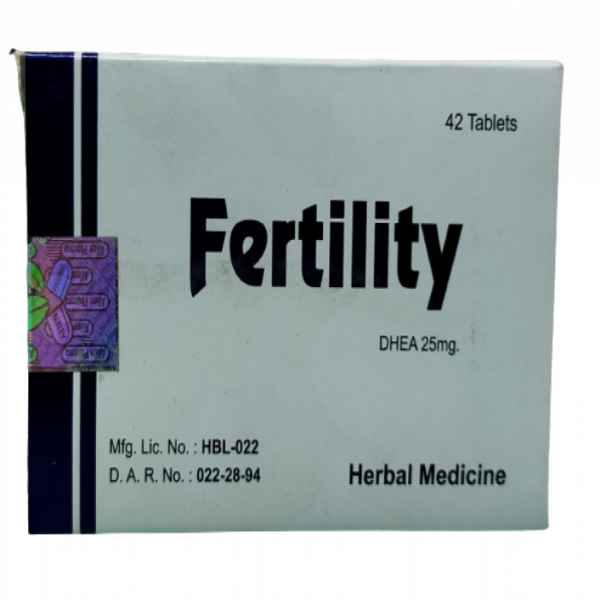

Manufacturer: Total Herbal & Nutraceuticals
Generic: Dehydroepiandrosterone
Type: Capsule
Pack Size: 30 Pcs

Hurry and get discounts on all Apple devices up to 20%
Sale_coupon_15
1,200.00৳ Original price was: 1,200.00৳ .1,176.00৳ Current price is: 1,176.00৳ .
DHEA is the most abundant steroid hormone produced by the adrenal glands. After synthesis, it circulates throughout the body and is converted within tissues into androgens, estrogens, and other active hormones. These hormones play vital roles in fat and mineral metabolism, endocrine regulation, reproductive health, and energy balance.
DHEA levels peak around the age of 25 and gradually decline with aging. Endogenous production occurs mainly in the adrenal glands, with additional synthesis in the liver, brain, and testes in men. DHEA is metabolized into androstenedione, a key precursor of both estrogen and androgen hormones.
Supplementation alters the balance between circulating androgens and estrogens. In women, DHEA supplementation tends to increase androgen levels more significantly than estrogen levels, whereas in men, estrogen levels increase to a greater extent with comparatively smaller increases in androgens. These hormonal effects are believed to contribute to many of DHEA’s therapeutic benefits.
In the central nervous system, DHEA is concentrated in limbic regions of the brain and may function as an excitatory neuroregulator by antagonizing GABA activity. Additionally, DHEA may inhibit platelet thromboxane A₂ synthesis and enhance IGF-1, cyclic GMP, and nitric oxide production, potentially contributing to improved cardiovascular health.
DHEA (Dehydroepiandrosterone) supplementation has been shown to support fertility in women with advanced ovarian age by improving egg quality and increasing egg and embryo numbers. DHEA tablets may be used as a nutritional adjunct to help the body’s natural DHEA functions and overall hormonal balance.
DHEA is also associated with potential benefits in a wide range of health conditions, including heart disease, stress-related disorders, cancer-related immune suppression, cognitive decline (such as memory loss and Alzheimer’s disease), obesity, aging, inflammatory imbalance, hormonal disturbances, mood disorders, osteoporosis, cardiovascular disease, diabetes, depression, erectile dysfunction, adrenal insufficiency, systemic lupus erythematosus (SLE), and allergic conditions.
Baby Mom
Diabetic Care
Health Devices
Medicines
Personal Care
Sexual Wellbeing
Vital Wellness
Vitamins Supplements
Women Care