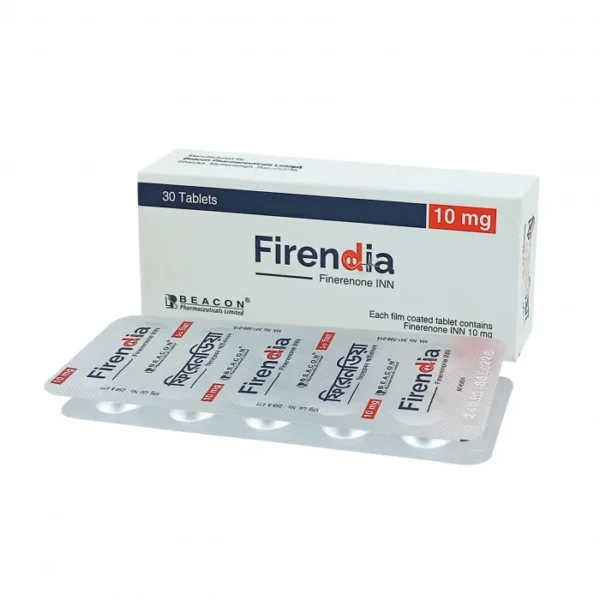
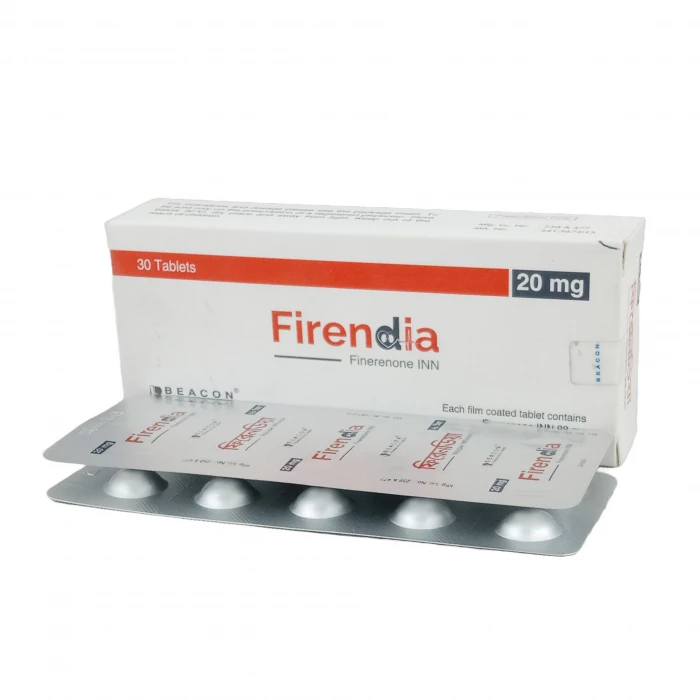
Kerendia contains Finerenone and is prescribed to manage chronic kidney disease linked to type 2 diabetes. It helps prevent further kidney function decline, reducing the risk of heart attacks, and decreasing hospitalizations due to heart issues. By inhibiting certain hormones, Kerendia aims to prevent kidney and heart damage.
Chronic Kidney Disease
is the progressive loss of kidney function over time, typically occurring over several years. Without treatment, the damage becomes permanent, leading to a buildup of toxins and excess fluid in the body, which can cause various complications. CKD is associated with a higher risk of premature death, reduced quality of life, and increased healthcare costs.
Causes and Risk Factors:
- Hypertension: High blood pressure can damage kidney blood vessels.
- Diabetes: High blood sugar levels can harm kidney function.
- Heart Disease: Cardiovascular conditions can affect the kidneys.
- Nephrotoxins: Harmful substances or medications that can damage the kidneys.
- Hyperlipidemia: High levels of fats in the blood can contribute to kidney damage.
- Polycystic Kidney Disease: A genetic disorder causing cysts in the kidneys.
- Glomerulonephritis: Inflammation of the kidney’s filtering units.
Signs and Symptoms:
- General fatigue, weakness, and malaise
- Nausea and vomiting
- Frequent urination, especially at night (nocturia)
- Fluid retention leading to swelling (edema)
- Shortness of breath
- Loss of appetite
- Confusion and lethargy
- Skin changes like bruising, itching, or pallor
- Bleeding tendencies
- Bone pain and fractures
Complications:
- Hypertension: Elevated blood pressure.
- Impaired Cognitive Function: Difficulty with memory and concentration.
- Uremic Encephalopathy: Brain dysfunction due to toxin buildup.
- Peripheral Neuropathy: Nerve damage leading to pain or numbness in extremities.
- Renal Osteodystrophy: Bone disease related to kidney failure.
- Arthropathy and Bone Pain: Joint and bone discomfort.
- Fluid Retention: This can lead to hypertension and pulmonary edema.
Treatment Options:
Medications:
- ACE Inhibitors or ARBs: Help control blood pressure and protect kidney function.
- Diuretics: Reduce fluid buildup.
- Erythropoiesis Stimulating Agents: Address anemia.
- Sodium Bicarbonate: Helps manage acid-base balance.
Renal Replacement Therapy:
- Dialysis: Artificially removes waste products and excess fluid.
- Kidney Transplantation: Replaces damaged kidneys with a healthy donor kidney.
Prognosis and Prevention:
- CKD often progresses to end-stage renal disease (ESRD) if not detected early.
- Dialysis carries higher morbidity and mortality risks.
- Individuals with diabetes or hypertension should monitor kidney function closely.
- Preventive measures include:
- Consuming a kidney-friendly diet
- Engaging in regular, moderate exercise
Investigations:
- Urine Tests: Assess for protein and other abnormalities.
- 24-Hour Urine Test: Measures kidney function over a full day.
- Blood Tests: Includes CBC, BUN, and creatinine levels.
- Kidney Ultrasound: Provides images to evaluate kidney structure.
- Biopsy: Examines kidney tissue for specific diseases.



 Baby Mom
 Diabetic Care
 Health Devices
 Medicines
 Personal Care
 Sexual Wellbeing
 Vital Wellness
 Vitamins Supplements
 Women Care