


-2%

 Baby Mom
 Diabetic Care
 Health Devices
 Medicines
 Personal Care
 Sexual Wellbeing
 Vital Wellness
 Vitamins Supplements
 Women Care
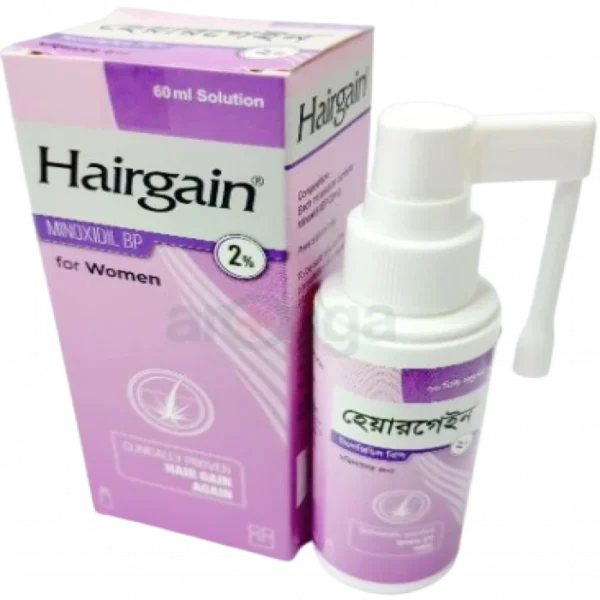
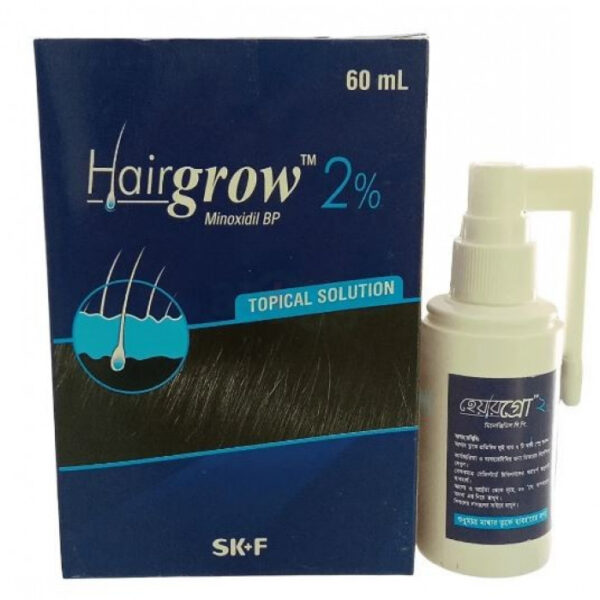
Manufacturer: Unimed & Unihealth Manufacturers Ltd.
Generic: Minoxidil
Type: Lotion
Pack Size: 60ml

Hurry and get discounts on all Apple devices up to 20%
Sale_coupon_15
600.00৳ Original price was: 600.00৳ .588.00৳ Current price is: 588.00৳ .
Minoxidil is used for hair loss. It is most effective in treating hereditary hair loss or thinning at the top of the scalp, not in front. Rarely, it may be used to treat high blood pressure.
People typically shed about 50 to 100 hairs daily as part of a natural process where old hairs fall out and new ones grow. Hair loss, or alopecia, occurs when this balance is disrupted, causing more hair to fall out than is replaced.
Hair loss affects men, women, and sometimes children. It can manifest as thinning hair, a receding hairline, widening parts, and bald patches. Factors such as age, genetics, nutritional deficiencies, hormonal imbalances, diseases, and medications can cause hair loss. Stress, tight hairstyles, chemical treatments, and excessive styling product use can also trigger hair fall.
While hair loss doesn’t have significant physical health impacts, its psychological effects are substantial. For many, their hair is tied to their self-esteem. As hair loss progresses, it can lower self-confidence. Various treatments are available to manage hair loss.
Home remedies and oral supplements are common initial treatments. However, visiting a dermatologist or trichologist for a proper diagnosis and treatment plan is advisable. Treatment options include topical agents like Minoxidil, injections, oral medications, platelet-rich plasma (PRP) therapy, and hair transplants.
Commonly Affects:
Genders:
Involved Areas:
Health Tests:
Treatments:
Specialists:
Hair follicles undergo three phases:
Hair growth cycles can be influenced by age, diseases, hair care routines, and diet. Common causes of hair loss include:
Symptoms vary and include:
Hair loss can be gradual or rapid, with signs such as thinning, widening parts, and sudden clumps of hair falling out. Additional symptoms may include:
Hair loss is categorized into cicatricial (scarring) and non-cicatricial (non-scarring) alopecia:
Non-cicatricial Alopecia:
Cicatricial Alopecia: Inflammatory hair loss disorders causing scarring and permanent hair loss. Causes include fungal infections, chemicals, and inflammatory conditions like lupus and lichen planopilaris.
Risk factors include:
Diagnosis involves a detailed history, physical examination, and specific tests:
Baby Mom
Diabetic Care
Health Devices
Medicines
Personal Care
Sexual Wellbeing
Vital Wellness
Vitamins Supplements
Women Care