


-5%
 Baby Mom
 Diabetic Care
 Health Devices
 Medicines
 Personal Care
 Sexual Wellbeing
 Vital Wellness
 Vitamins Supplements
 Women Care

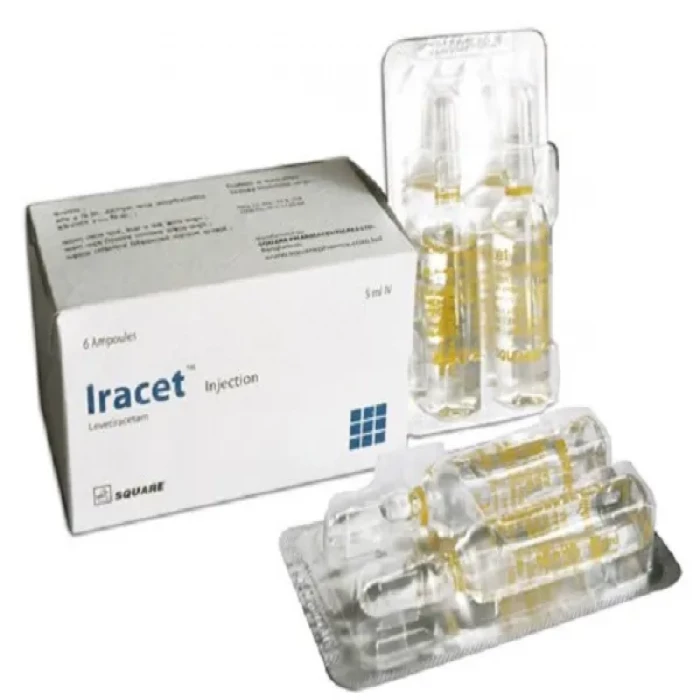
Manufacturer: Ethical Drug Ltd.
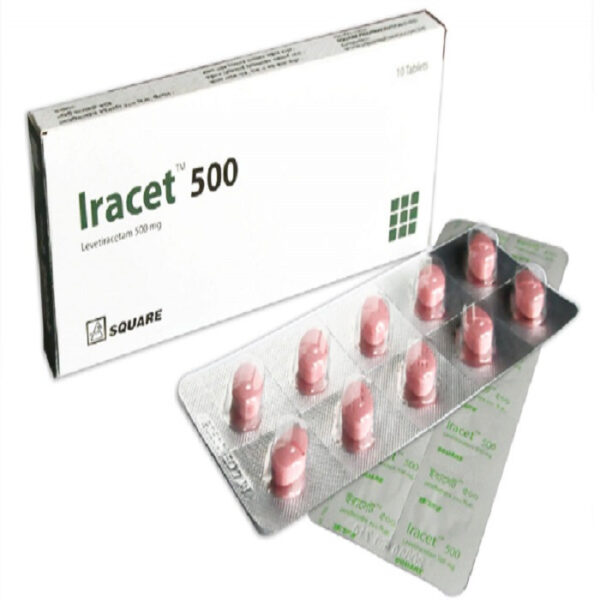
Generic: Levetiracetam 500 mg
Type: Injection
Pack Size: 1 Pc

Hurry and get discounts on all Apple devices up to 20%
Sale_coupon_15
40.13৳ Original price was: 40.13৳ .38.12৳ Current price is: 38.12৳ .
Levetiracetam is indicated as an adjunctive therapy for:
Levetiracetam injection is an alternative for adult patients (16 years and older) when oral administration is temporarily not feasible.
Levetiracetam is indicated as monotherapy in the treatment of partial-onset seizures with or without secondary generalisation in adults and adolescents from 16 years of age with newly diagnosed epilepsy. Levetiracetam is indicated as adjunctive therapy-
Adults and adolescents from 16 years of age: The recommended starting dose is 250 mg twice daily which should be increased to an initial therapeutic dose of 500 mg twice daily after two weeks. The dose can be further increased by 250 mg twice daily every two weeks depending upon the clinical response. The maximum dose is 1500 mg twice daily.
Adults (≥18 years) and adolescents (12 to 17 years) weighing 50 kg or more: The initial therapeutic dose is 500 mg twice daily. This dose can be started on the first day of treatment. Depending upon the clinical response and tolerability, the daily dose can be increased up to 1,500 mg twice daily. Dose changes can be made in 500 mg twice daily increases or decrease every two to four weeks.Pediatric population: The tablet formulation is not adapted for use in infants and children under the age of 6 years. Oral solution is the preferred formulation for use in this population. In addition, the available dose strengths of the tablets are not appropriate for initial treatment in children weighing less than 25 kg, for patients unable to swallow tablets or for the administration of doses below 250 mg. In all of the above cases, oral solution should be used.
Antiepileptic medicinal products: Pre-marketing data from clinical studies conducted in adults indicate that levetiracetam did not influence the serum concentrations of existing antiepileptic medicinal products (phenytoin, carbamazepine, valproic acid, phenobarbital, lamotrigine, gabapentin and primidone) and that these antiepileptic medicinal products did not influence the pharmacokinetics of levetiracetam.
Hypersensitivity to the active substance or other pyrrolidone derivatives or to any of the excipients.
Most common adverse reactions (incidence ≥ 5% more than placebo) include:
Levetiracetam is not recommended during pregnancy and in women of childbearing potential not using contraception unless clinically necessary. Levetiracetam is excreted in human breast milk. Therefore, breastfeeding is not recommended. However, if levetiracetam treatment is needed during breastfeeding, the benefit/risk of the treatment should be weighed considering the importance of breastfeeding. No impact on fertility was detected in animal studies. No clinical data are available, the potential risk for humans is unknown.
Adjunct anti-epileptic drugs
Aural steroid & antibiotic combined preparations, Ophthalmic Non-Steroid drugs, Ophthalmic Steroid preparations
Store below 30° C in a cold, dry, and light-protected location. Keep out of children’s reach.
Baby Mom
Diabetic Care
Health Devices
Medicines
Personal Care
Sexual Wellbeing
Vital Wellness
Vitamins Supplements
Women Care