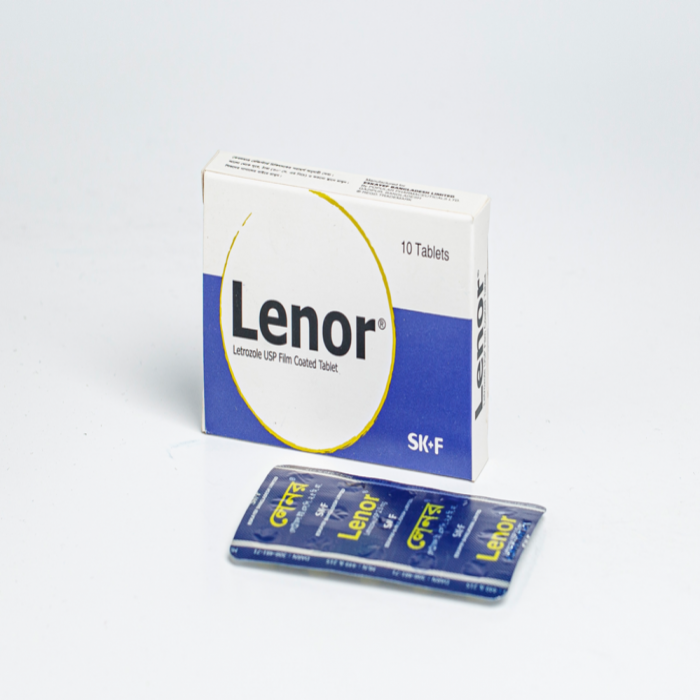
Letrozole is primarily used to treat specific types of breast cancer, such as hormone receptor-positive breast cancer, in postmenopausal women. It may also be prescribed for other conditions as determined by a healthcare provider. Letrozole is an aromatase inhibitor that reduces estrogen production by blocking the aromatase enzyme. Since certain breast cancers rely on estrogen to grow, decreasing its levels helps slow or stop tumor growth.
Changes in the breasts or nipples should never be ignored as they may indicate breast cancer. Common symptoms include:
Lumps in the breast or armpit
Pain in the breast or nipple
Changes in the size, shape, or appearance of the breast
Nipple discharge or bleeding
Inverted or painful nipples
Skin dimpling or folds on the breast skin
Swollen lymph nodes in the underarms or around the collarbone
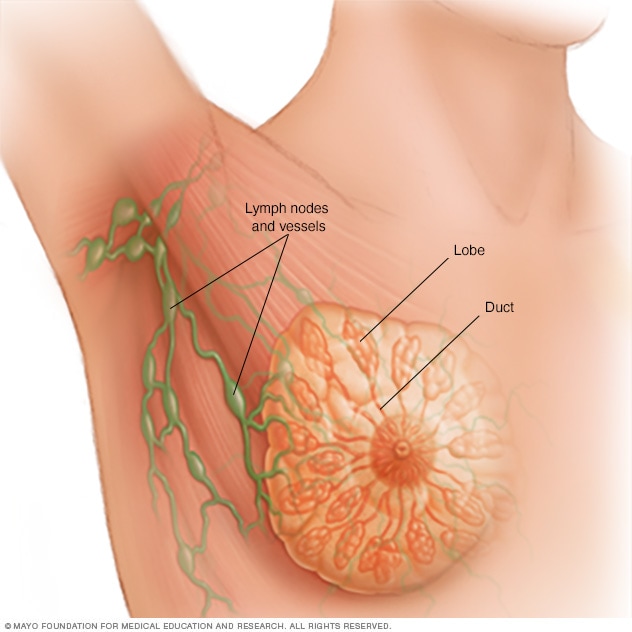
Breast cancer develops when cells in the breast tissue (lobules or ducts) grow uncontrollably, potentially spreading to nearby tissue and lymph nodes.
Commonly affected: Adults above 40 years, more frequent in women but can also occur in men and children (rarely).
Diagnosis and Screening
Breast cancer cannot be prevented but can be detected early through:
Blood tests: CA 15.3 and CA 27.29 (breast cancer markers).
Imaging tests: Mammography, MRI mammograms.
Early detection improves the chances of successful treatment and management.
Treatment Options
Treatment depends on the stage and severity of the cancer and may involve:
Surgery:
Lumpectomy: Removal of a lump or part of the breast tissue.
Radiation Therapy: High-energy radiation to destroy cancer cells.
Risk Factors for Breast Cancer
Genetic Factors (5-10% cases):
BRCA1 and BRCA2 gene mutations significantly increase breast cancer risk (26-84%).
Other Risk Factors (90% sporadic cases):
Gender: Women are more prone than men.
Risk increases after age 50.
Personal history of breast cancer or other breast conditions (e.g., lobular carcinoma in situ).
Family history of breast or ovarian cancer.
Early menarche (before 12 years) or late menopause (after 55 years).
Hormone replacement therapy after menopause.
Never being pregnant or having the first child after 30.
Lifestyle Factors:
Smoking and alcohol consumption.
Obesity or a sedentary lifestyle.
Others:
Radiation exposure to the head, neck, or chest.
Dense breast tissue.
Consulting Specialists For breast cancer concerns, consult the following:GynecologistOncologistOncosurgeonRadiation OncologistPrevention and AwarenessBreast cancer awareness is critical. Screening and lifestyle changes, such as maintaining a healthy weight, limiting alcohol intake, avoiding smoking, and exercising regularly, can help reduce risk. Support from organizations like Maina Foundation, The Pink Initiative, and Prashanti Cancer Care Mission provides valuable resources and aid.