-5%
- Linagliptin is used to enhance Glycemic Control in individuals with Type-2 Diabetes Mellitus.
- Linagliptin may be used as monotherapy or in combination with other common antidiabetic medications including Metformin, Sulfonylurea, Pioglitazone, or Insulin.
- As a replacement therapy it is suitable when Metformin therapy is not appropriate due to intolerance or does not provide adequate glycemic control as monotherapy or other antidiabetic drugs are to be discontinued due to renal or hepatic impairment.
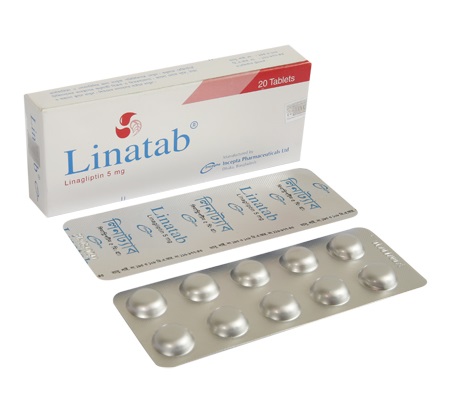
- Linatab 5mg Tablet contains Linagliptin and belongs to the group of oral anti-diabetic medicines. It is prescribed to treat type 2 diabetes in adults when the disease cannot be adequately controlled with one oral anti-diabetic medication or through diet and exercise alone.
- This medication may be used in combination with other anti-diabetic drugs like metformin, sulphonylureas (such as glimepiride or glipizide), empagliflozin, or insulin. It is important to follow a regular exercise routine and a prescribed diet plan to achieve better control of glucose levels while taking Linatab 5mg Tablet
- Type 2 diabetes is a chronic condition where the body does not produce enough insulin or the produced insulin does not work effectively. This leads to elevated blood glucose levels, which can result in serious health problems like heart disease, kidney disease, and vision impairment. Symptoms of type 2 diabetes include increased urination, excessive thirst, hunger, fatigue, and blurred vision.
- Before starting treatment with Linatab 5mg Tablet, inform your doctor about any pancreatic, heart, or kidney problems you may have, as well as a history of gallstones, alcoholism, or type 1 diabetes.
- The use of Linatab 5mg Tablet is generally not recommended during pregnancy, as its effects on the unborn child are unknown. It is also unclear whether the medication passes into breast milk, so it is important to consult your doctor if you are pregnant or breastfeeding.
- Linatab 5mg Tablet is not recommended for use in children and adolescents under 18 years of age. The most common side effects associated with this medication include nasal congestion, runny nose, sore throat, cough, and diarrhea. If any of these symptoms worsen, it is advisable to consult your doctor.