





-5%
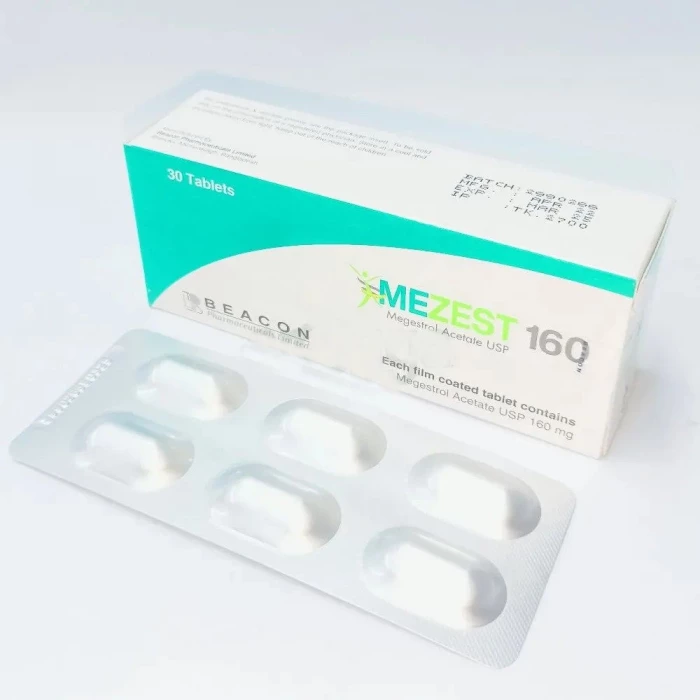
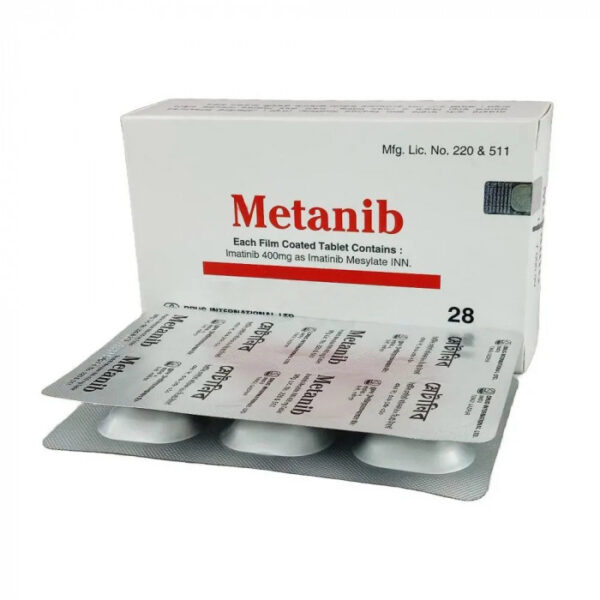


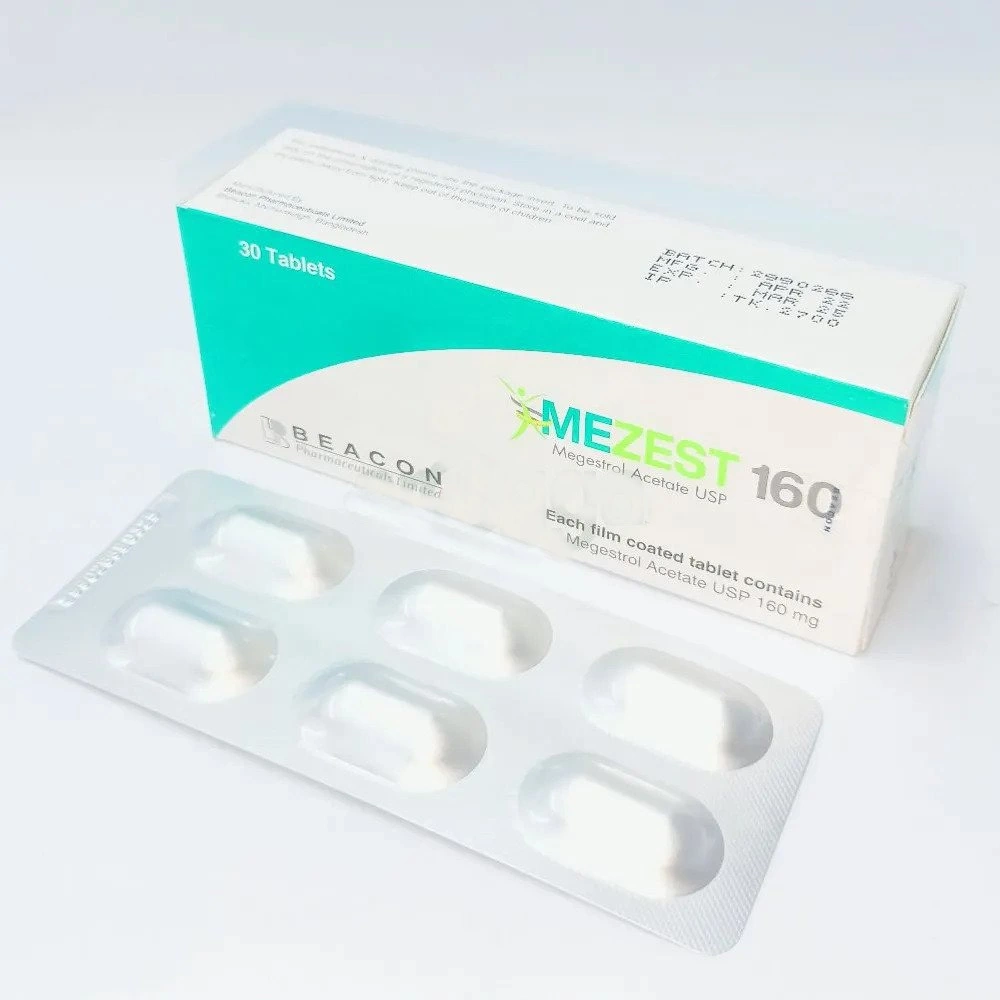
Mezest 160 is primarily used to treat hormone-dependent cancers such as breast cancer and endometrial cancer. It can also help with low appetite and weight loss in patients with advanced cancer or HIV/AIDS.
Endometrial cancer occurs when abnormal cells grow in the endometrium, the lining of the womb (or uterus). It most commonly affects postmenopausal women over the age of 55, though it can occur at any age.
Symptoms:
Risk Factors:
When diagnosed and treated early, endometrial cancer is not usually life-threatening. It is generally treatable with surgery, radiation, or hormonal therapy, depending on the stage of cancer.
Breast cancer is a type of cancer that begins in the cells of the breast. It can form in different areas of the breast, including:
- Lobules (glands that produce milk)
- Ducts (tubes that carry milk from the lobules to the nipple)
- Fatty tissue or fibrous connective tissue within the breast
Symptoms:
- A lump or thickening in the breast that feels different from surrounding tissue
- Breast pain, redness, or swelling
- Nipple discharge that is not breast milk, possibly bloody
- Unexplained changes in shape, size, or appearance of the breast
- Peeling, flaking, or scaling of the skin on the breast
- A lump or swelling under the arm
Risk Factors:
- Age: The risk increases with age, particularly after 50
- Family history: A family history of breast cancer increases the likelihood of developing it
- Obesity: Higher body fat, especially after menopause, can increase risk
Early detection through regular breast exams and mammograms is key to treating breast cancer effectively.