


-1%
 Baby Mom

Manufacturer: Radiant Pharmaceutical Ltd.
Generic: Desmopressin
Type: Tablet
Pack Size: 10 Pcs

Hurry and get discounts on all Apple devices up to 20%
Sale_coupon_15
1,140.00৳ Original price was: 1,140.00৳ .1,128.60৳ Current price is: 1,128.60৳ .
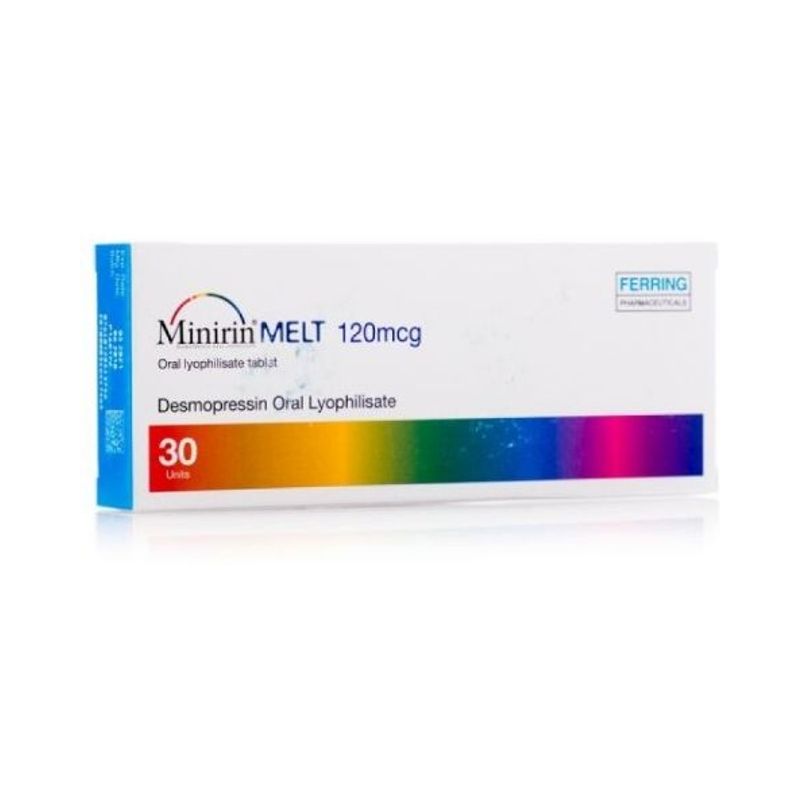
Minirin Melt contains desmopressin, a synthetic analogue of the natural antidiuretic hormone (ADH). It is used to reduce excessive urine production and increase water reabsorption by the kidneys. Depending on the formulation, it may be prescribed for central diabetes insipidus, primary nocturnal enuresis (bedwetting), nocturia, and temporary excessive urination and thirst following pituitary surgery or head injury.
Minirin Melt is not effective for nephrogenic diabetes insipidus.
Desmopressin acts similarly to the body’s natural ADH (antidiuretic hormone). It selectively stimulates V2 receptors in the kidney’s collecting ducts, increasing the reabsorption of water back into the bloodstream. This reduces urine production and helps maintain the body’s water balance.
Desmopressin also increases the activity of factor VIII and can improve clotting-related processes in certain patients with hemophilia and type 1 von Willebrand disease.
For diabetes insipidus:
Following pituitary surgery (post-hypophysectomy polyuria/polydipsia):
Adults and children are generally started on 0.05 mg twice daily, with the dose adjusted according to individual response.
The usual effective total daily dose is approximately 0.1–0.8 mg, given in divided doses. Depending on the patient’s water balance and response, the total daily dose may be adjusted within the recommended range.
Desmopressin is substantially eliminated through the kidneys. Older adults may have reduced kidney function and therefore require careful dose selection and monitoring of renal function.
Some medicines may increase the risk of water retention and low blood sodium (hyponatremia) when taken with desmopressin. These include:
Desmopressin should also be used carefully with medicines that can raise blood pressure because higher doses may potentially increase blood pressure.
Minirin Melt should not be used in patients with:
Possible side effects may include:
These effects may improve after reducing the dose.
The most important potential complication is water intoxication and hyponatremia, particularly if excessive fluids are consumed while taking desmopressin.
Symptoms of low sodium can include headache, nausea, vomiting, unusual tiredness, confusion, muscle cramps, or seizures. Severe hyponatremia can be life-threatening and requires urgent medical attention.
There is limited controlled clinical information regarding desmopressin use during breastfeeding. It should be used in nursing mothers only after consultation with a doctor, who can assess the potential benefits and risks.
Pregnant women should also consult their healthcare professional before using desmopressin.
Fluid restriction is important: Desmopressin has a strong antidiuretic effect and can cause excessive water retention and dangerously low sodium levels. Patients should follow their doctor’s instructions regarding fluid intake.
Seek medical attention if symptoms suggestive of hyponatremia develop, particularly severe headache, confusion, vomiting, unusual drowsiness, or seizures.
Patients with heart disease or high blood pressure should use desmopressin cautiously because higher doses may occasionally cause a rise in blood pressure.
Patients taking medicines that increase the risk of water retention or hyponatremia require particularly careful monitoring.
Baby Mom
No account yet?
Create an Account