


-5%
 Baby Mom
 Diabetic Care
 Health Devices
 Medicines
 Personal Care
 Sexual Wellbeing
 Vital Wellness
 Vitamins Supplements
 Women Care
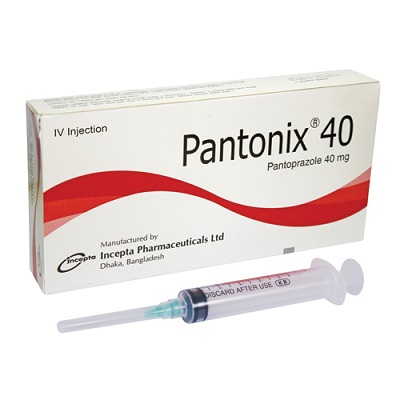
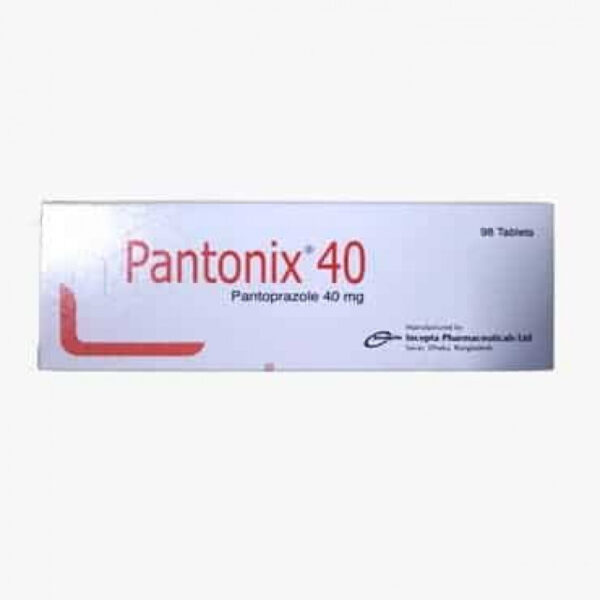
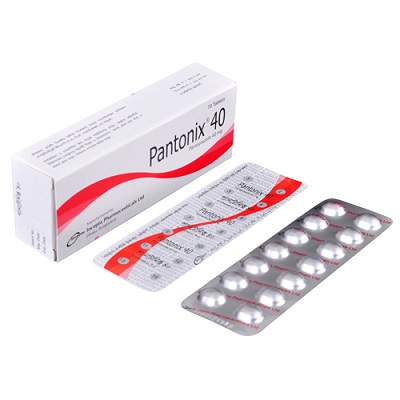
Manufacturer: Incepta Pharmaceuticals Ltd.
Generic: Pantoprazole sodium sesquihydrate
Type: Tablet
Pack Size: 98pcs

Hurry and get discounts on all Apple devices up to 20%
Sale_coupon_15
980.00৳ Original price was: 980.00৳ .931.00৳ Current price is: 931.00৳ .
Pantonix (Pantoprazole Sodium), a proton pump inhibitor, is highly effective for acid reflux treatment and conditions requiring gastric acid suppression. It treats peptic ulcer disease, gastroesophageal reflux disease (GERD), NSAID-induced ulcers, Helicobacter pylori infections (with antibiotics), and Zollinger-Ellison Syndrome.
Pantonix, with the active ingredient Pantoprazole Sodium, is a trusted proton pump inhibitor (PPI) designed for acid reflux treatment and suppression of gastric acid production. Pantoprazole works by irreversibly binding to the H+/K+ATPase enzyme system on the gastric parietal cell surface, inhibiting both basal and stimulated gastric acid secretion for over 24 hours, regardless of the stimulus. This makes it an ideal medication for managing peptic ulcer disease, gastroesophageal reflux disease (GERD), NSAID-induced ulcers, Helicobacter pylori eradication (in combination with antibiotics), and Zollinger-Ellison Syndrome.
Pantoprazole Dosage:
Drug Interactions: No significant Pantoprazole drug interactions observed in clinical studies.
Contraindications: Avoid in patients with hypersensitivity to Pantoprazole or its components.
Pantoprazole Side Effects: Well-tolerated in short- and long-term use. Common side effects include headache and diarrhea; rare effects may include abdominal pain, flatulence, rash, insomnia, and hyperglycemia.
Pregnancy & Lactation: Pantoprazole is US FDA Pregnancy Category B. While no adequate studies exist for pregnant women, animal studies suggest safety. Use during pregnancy only if clearly needed. Pantoprazole is excreted in breast milk; weigh benefits versus risks before use during lactation.
Precautions & Warnings: Do not split, chew, or crush Pantonix tablets. Long-term Pantoprazole therapy may increase risks of Vitamin B12 malabsorption or osteoporosis-related disorders.
Overdose Effects: No specific overdose symptoms known. As Pantoprazole is highly protein-bound, dialysis is ineffective. Symptomatic and supportive care is recommended.
Therapeutic Class: Proton Pump Inhibitor (PPI).
Reconstitution:
Baby Mom
Diabetic Care
Health Devices
Medicines
Personal Care
Sexual Wellbeing
Vital Wellness
Vitamins Supplements
Women Care