


-5%
 Baby Mom
 Diabetic Care
 Health Devices
 Medicines
 Personal Care
 Sexual Wellbeing
 Vital Wellness
 Vitamins Supplements
 Women Care
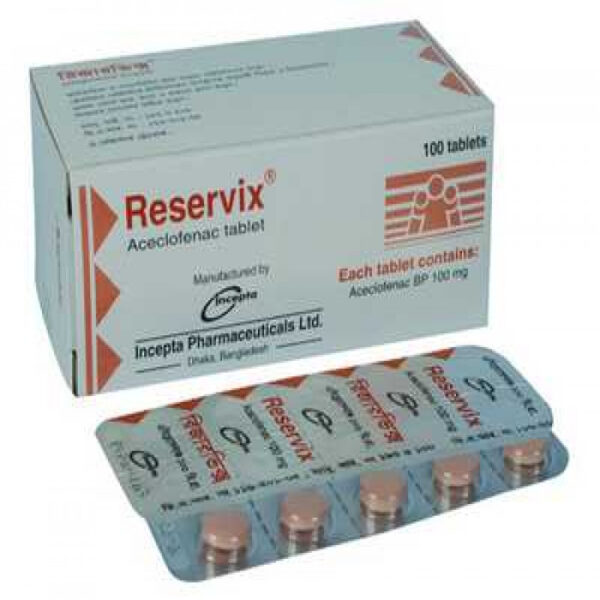
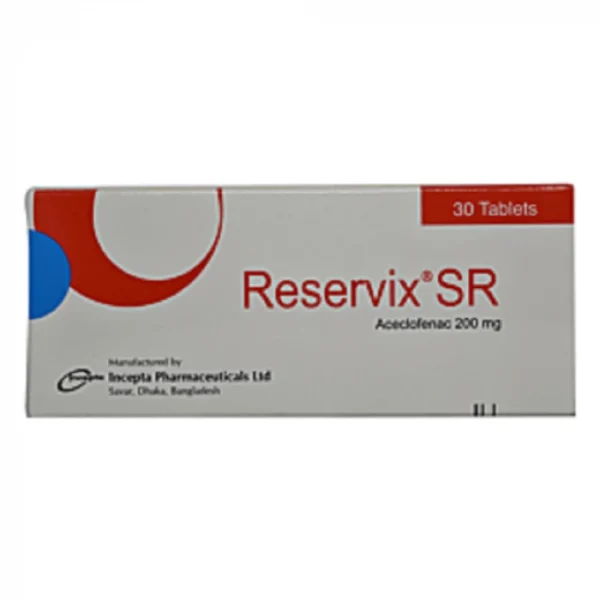
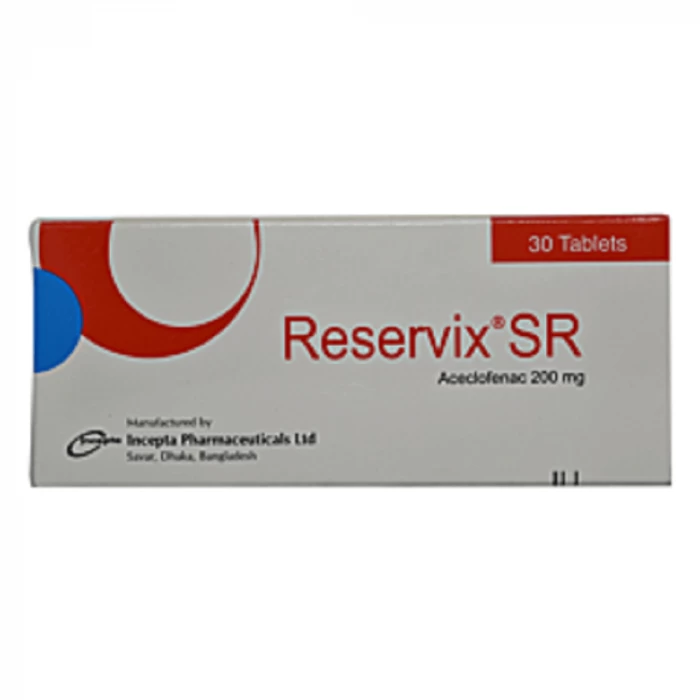
Manufacturer: Incepta Pharmaceuticals Ltd.
Generic: Aceclofenac BP
Type: Tablet
Pack Size: 10 Pcs

Hurry and get discounts on all Apple devices up to 20%
Sale_coupon_15
70.00৳ Original price was: 70.00৳ .66.50৳ Current price is: 66.50৳ .
Generic Name: Aceclofenac 200mg
Company Name: Incepta Pharmaceuticals Limited
Indications of Reservix SR
Reservix is used to treat acute and chronic pain conditions such as osteoarthritis, rheumatoid arthritis, ankylosing spondylitis, dental pain, post-traumatic pain, low back pain, gynecological pain, and others.
Pharmacology
Reservix may be a non-steroidal medication with anti-inflammatory and pain-relieving properties. It could be a potent inhibitor of the protein cyclooxygenase, which is involved in the production of prostaglandins. Following verbal organization, it is quickly and completely ingested as an unaltered drug.
Dosage and Administration of Reservix SR
Reservix tablet:
Reservix SR tablet:
Interaction of Reservix SR
No noteworthy medicate intelligence has not been watched but near observing of patients is required when it is utilized with:
Contraindications
Aceclofenac is contraindicated in patients previously sensitive to aceclofenac, aspirin, or other NSAIDs. it should not be administered to patients with active or suspected peptic ulcer or gastrointestinal bleeding and moderate to severe renal impairment.
Side Effect of Reservix SR
Generally, aceclofenac is well tolerated. Most side effects observed have been reversible and of a minor nature and include gastrointestinal nail disorders (dyspepsia, abdominal pain, nausea, and diarrhea) and the occasional occurrence of dizziness. Dermatological side effects include pruritus and rash. Abnormal hepatic enzyme levels and raised serum creatinine have occasionally been reported.
Pregnancy & Lactation
Pregnancy: There is no information on the use of aceclofenac during pregnancy. Aceclofenac should not be administered during pregnancy unless there are compelling reasons for doing so. The lowest effective dose should be administered,
Lactation: There is no information on the secretion of aceclofenac in breast milk. The use of aceclofenac should therefore be avoided during lactation unless the potential benefits to the mother outweigh the possible risks to the children.
Precautions & Warnings
Aceclofenac should be administered with caution to patients with symptoms indicative of gastrointestinal disorders, with a history of peptic ulceration, ulcerative colitis, and Crohn’s disease. hepatic porphyria, and coagulation disorders. Patients suffering from severe hepatic containment must be monitored.
Storage Conditions
keep in a dry put absent from light and warm. Keep out of the reach of children.
Baby Mom
Diabetic Care
Health Devices
Medicines
Personal Care
Sexual Wellbeing
Vital Wellness
Vitamins Supplements
Women Care