


-5%
 Baby Mom
 Diabetic Care
 Health Devices
 Medicines
 Personal Care
 Sexual Wellbeing
 Vital Wellness
 Vitamins Supplements
 Women Care
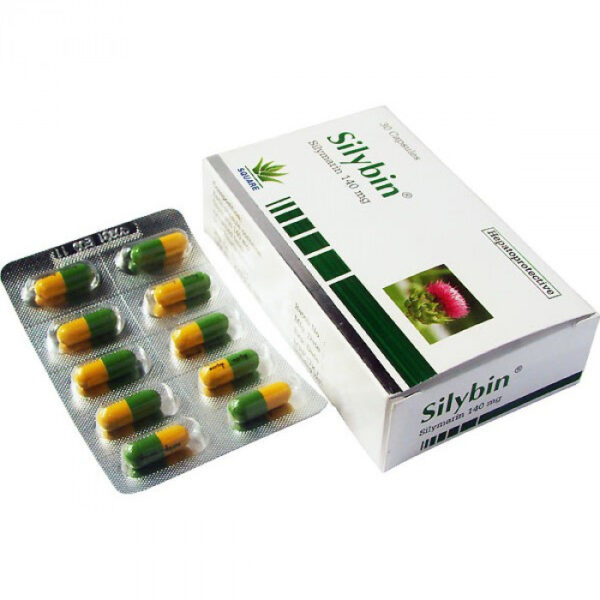
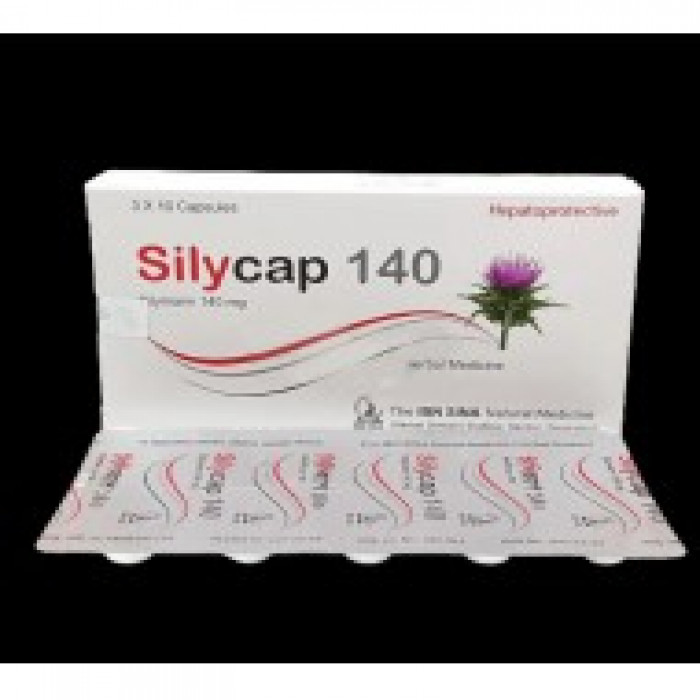
Manufacturer: Ibne Sina Pharmaceuticals
Generic: Silymarin
Type: Capsule
Pack Size: 30 Pcs

Hurry and get discounts on all Apple devices up to 20%
Sale_coupon_15
180.00৳ Original price was: 180.00৳ .171.00৳ Current price is: 171.00৳ .
Silycap (Milk thistle) is indicated for the treatment and prevention of various liver conditions, including:
The milk thistle, scientifically known as Silybum marianum (L.) Gaertn. (= Carduus marianus L.), belongs to the Asteraceae family (Fig. 1). This medicinal plant has a rich history dating back to the time of the birth of Christ. Its fruits, known as Fructus Cardui Mariae or seeds (Fig. 2), were traditionally used as an herbal remedy, and today they or their derivatives in effective dosages are recognized as therapeutic agents.
In 1968, Wagner et al. discovered a group of flavonoid compounds in the fruits of milk thistle, which were named silymarin. Further studies revealed that silymarin consists of three isomeric compounds: silibinin, silibinin, and silicristin, with a molecular formula of C25H22O10 and a molecular weight of 482.45 (Fig. 3).
The positive effects of silymarin on elevated serum enzyme levels, indicating parenchymal damage in patients with chronic liver diseases, have been evident in various nonblind controlled trials. Silymarin is indicated for toxic liver damage and supportive treatment in chronic inflammatory liver diseases and cirrhosis.
Baby Mom
Diabetic Care
Health Devices
Medicines
Personal Care
Sexual Wellbeing
Vital Wellness
Vitamins Supplements
Women Care