


-4%
 Baby Mom
 Diabetic Care
 Health Devices
 Medicines
 Personal Care
 Sexual Wellbeing
 Vital Wellness
 Vitamins Supplements
 Women Care
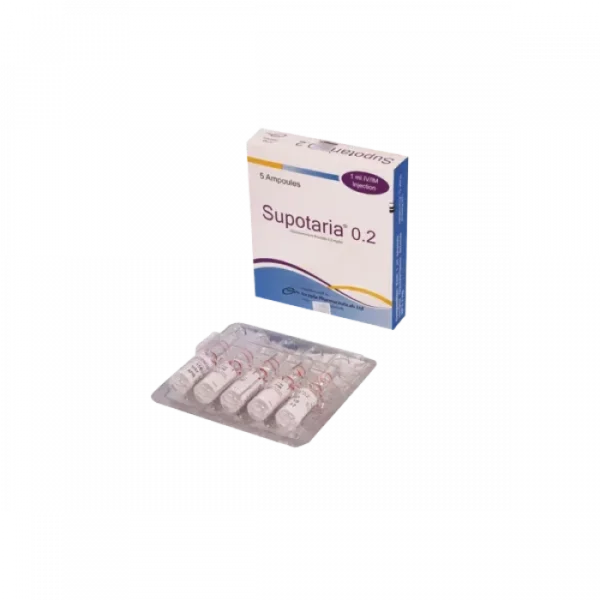
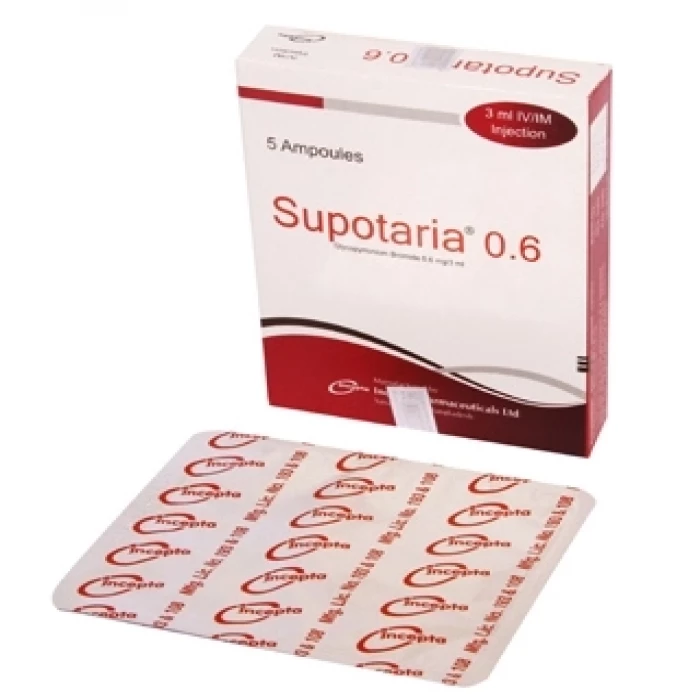
Manufacturer: Incepta Pharmaceuticals Ltd.
Generic: Glycopyrronium bromide
Type: Injection
Pack Size: 1 Pc

Hurry and get discounts on all Apple devices up to 20%
Sale_coupon_15
90.00৳ Original price was: 90.00৳ .86.40৳ Current price is: 86.40৳ .
Glycopyrronium bromide is a versatile antimuscarinic agent used in various medical contexts, particularly in anesthesia to manage secretions and heart rate, and as an adjunctive therapy for peptic ulcers when rapid effects are necessary. Its utility extends to managing hyperhidrosis, sialorrhea, and symptoms associated with cerebral palsy.
Chronic Obstructive Pulmonary Disease (COPD) is a group of progressive lung diseases that obstruct airflow and make breathing difficult. The primary diseases classified under COPD are emphysema and chronic bronchitis.
Types of COPD
Emphysema: This condition involves damage to the air sacs (alveoli) in the lungs, leading to shortness of breath. The alveoli are responsible for the exchange of oxygen and carbon dioxide in the lungs. In emphysema, these sacs are damaged and lose their elasticity, making it hard to breathe.
Chronic Bronchitis: This condition is characterized by inflammation of the lining of the bronchial tubes, which carry air to and from the lungs. It results in persistent coughing and the production of mucus.
Baby Mom
Diabetic Care
Health Devices
Medicines
Personal Care
Sexual Wellbeing
Vital Wellness
Vitamins Supplements
Women Care