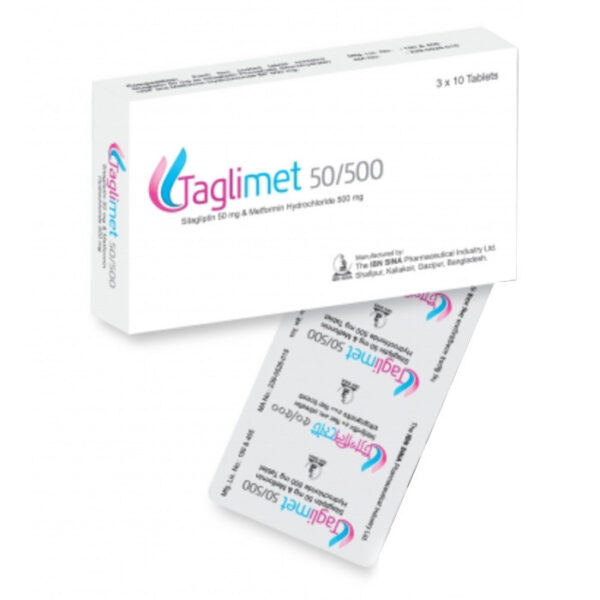
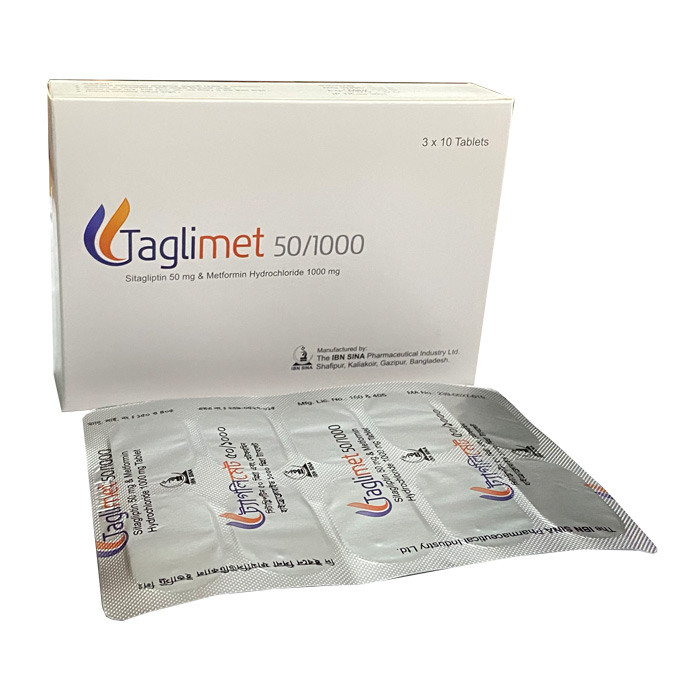
Metformin Hydrochloride + Sitagliptin
This formulation combines two antihyperglycemic agents with different but complementary mechanisms to improve glycemic control in patients with type 2 diabetes. It contains sitagliptin, a DPP-4 (dipeptidyl peptidase-4) inhibitor, and metformin hydrochloride, a biguanide antidiabetic agent.
- Sitagliptin works by inhibiting the DPP-4 enzyme, which slows the breakdown of incretin hormones such as GLP-1 and GIP. These hormones are naturally released from the intestine after meals and help regulate glucose balance by stimulating insulin secretion from pancreatic beta cells and reducing glucagon release from alpha cells when blood glucose levels are elevated. As a result, hepatic glucose production decreases, and blood sugar levels improve.
- Metformin hydrochloride acts through a different pathway. It lowers hepatic glucose production, reduces intestinal absorption of glucose, and enhances peripheral uptake and utilization of glucose, thereby improving insulin sensitivity.
This combination medicine is prescribed alongside diet and exercise to help improve blood sugar control in adults with type 2 diabetes mellitus when treatment with both sitagliptin and metformin is considered appropriate.
Important limitations of use:
- It is not suitable for patients with type 1 diabetes mellitus or diabetic ketoacidosis, as it will not be effective in these conditions.
- The safety of this medicine in patients with a previous history of pancreatitis has not been established, and it is unknown whether such patients may have a higher risk of developing pancreatitis during treatment.
- Monitor renal function before treatment initiation and at least yearly thereafter.
- Long-term metformin use may lower vitamin B12 levels and contribute to peripheral neuropathy; periodic monitoring is advised.
- Cases of acute pancreatitis, including severe and fatal forms, have been reported with sitagliptin. Discontinue promptly if pancreatitis is suspected.
- Serious allergic reactions such as anaphylaxis, angioedema, and Stevens–Johnson syndrome have been reported.
- Excessive alcohol intake should be avoided.
- Temporary discontinuation may be required during surgery, trauma, severe infection, or reduced food/fluid intake.
- Lower doses of insulin or sulfonylureas may be needed when used in combination to reduce hypoglycemia risk.



 Baby Mom
 Diabetic Care
 Health Devices
 Medicines
 Personal Care
 Sexual Wellbeing
 Vital Wellness
 Vitamins Supplements
 Women Care