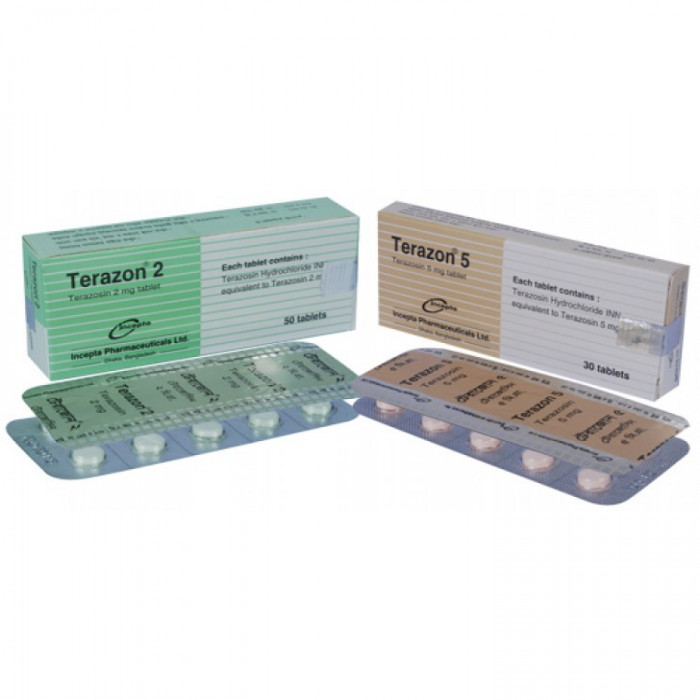
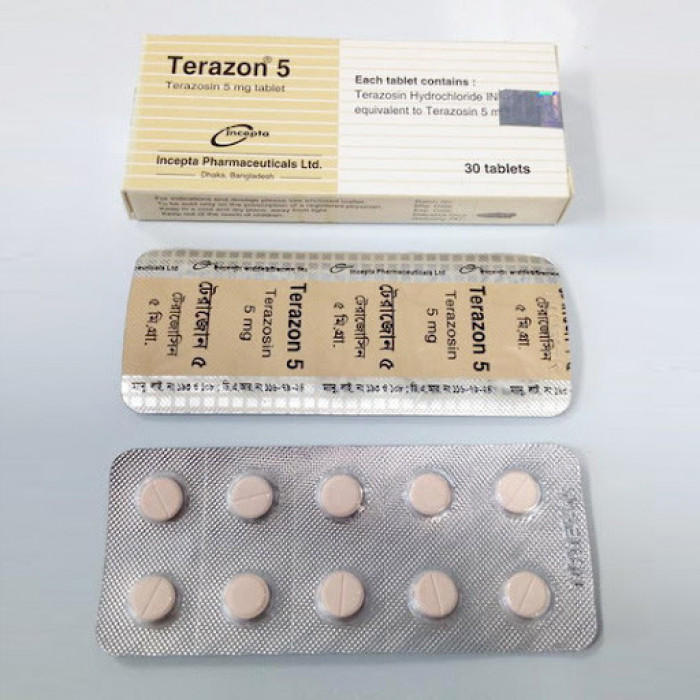
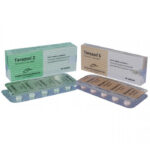
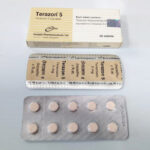
Terazon, an alpha-blocker, is prescribed to manage hypertension and benign prostatic hyperplasia (BPH).
- Hypertension, often referred to as high blood pressure, is a chronic condition characterized by elevated pressure in the arteries. This increased pressure can lead to various complications such as hardened arteries, reduced blood and oxygen supply to the heart (which can result in chest pain or heart attacks), brain damage (in the form of strokes), and kidney failure. Blood pressure is determined by both the volume of blood pumped by the heart and the resistance to blood flow in the arteries. Even in the absence of symptoms, high blood pressure can cause ongoing damage to blood vessels and the heart, making it crucial to diagnose and manage the condition.
- Benign prostatic hyperplasia (BPH) involves the non-cancerous enlargement of the prostate gland, primarily attributed to the overproduction of dihydrotestosterone hormone in men. Typically occurring in men over the age of 50, BPH results in the enlargement of the prostate gland, which then puts pressure on the urinary bladder. This pressure can lead to symptoms such as restricted or obstructed urine flow, frequent urination (particularly at night), and the sensation of incomplete emptying of the bladder.
- Cold finger syndrome, also known as Raynaud’s phenomenon or Raynaud’s syndrome, is a condition characterized by episodes of reduced blood flow to the fingers and toes, leading to discoloration (usually white or blue) and numbness or tingling sensations. These episodes typically occur in response to cold temperatures or emotional stress, causing small arteries in the extremities to narrow (vasospasm). Raynaud’s phenomenon can be primary, occurring on its own, or secondary, associated with underlying conditions such as autoimmune diseases, connective tissue disorders, or certain medications. In primary Raynaud’s, the cause is often unknown, while secondary Raynaud’s is typically linked to an underlying medical condition. Management of Raynaud’s phenomenon involves avoiding triggers such as cold temperatures or emotional stress, keeping the extremities warm, and sometimes medications to help improve blood flow. In severe cases, especially with secondary Raynaud’s, treatment of the underlying condition may be necessary.
- A heart attack, also known as a myocardial infarction (MI), occurs when the blood flow to a part of the heart is blocked for a prolonged period, leading to damage or death of the heart muscle. This blockage is usually caused by a buildup of plaque (atherosclerosis) in the coronary arteries, which supply oxygen-rich blood to the heart muscle.
- The symptoms of a heart attack can vary but commonly include:
- Chest pain or discomfort: This can feel like pressure, squeezing, fullness, or pain in the center or left side of the chest. It may also spread to the arms, back, neck, jaw, or stomach.
- Shortness of breath: Difficulty breathing or feeling like you can’t catch your breath.
- Nausea, vomiting, or indigestion: Some people may experience these symptoms, particularly women.
- Cold sweats, lightheadedness, or dizziness: Feeling clammy or sweaty despite no physical exertion, or feeling faint.
- Fatigue or weakness: Unusual tiredness, often without any apparent cause.
Treatment for a heart attack typically involves restoring blood flow to the affected part of the heart. This may involve medications such as aspirin, nitroglycerin, and clot-busting drugs (thrombolytics), as well as medical procedures like angioplasty and stent placement or coronary artery bypass surgery. After a heart attack, lifestyle changes such as quitting smoking, adopting a heart-healthy diet, regular exercise, and medication therapy to manage risk factors like high blood pressure and high cholesterol are often recommended to prevent future cardiac events.



 Baby Mom
 Diabetic Care
 Health Devices
 Medicines
 Personal Care
 Sexual Wellbeing
 Vital Wellness
 Vitamins Supplements
 Women Care