


-2%
 Baby Mom
 Diabetic Care
 Health Devices
 Medicines
 Personal Care
 Sexual Wellbeing
 Vital Wellness
 Vitamins Supplements
 Women Care
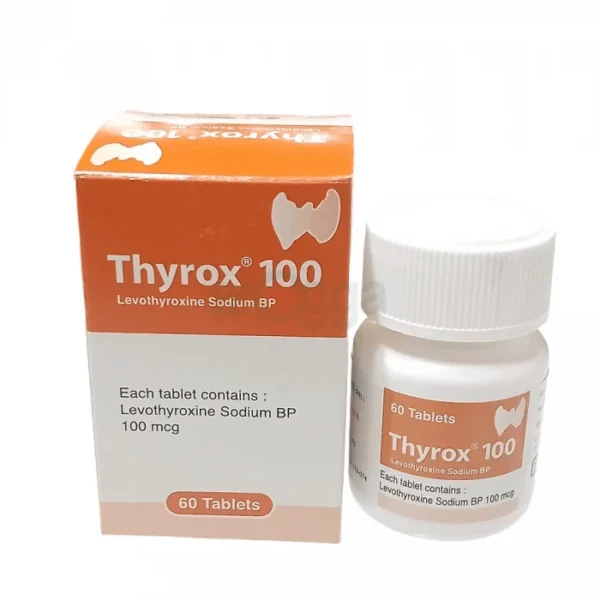
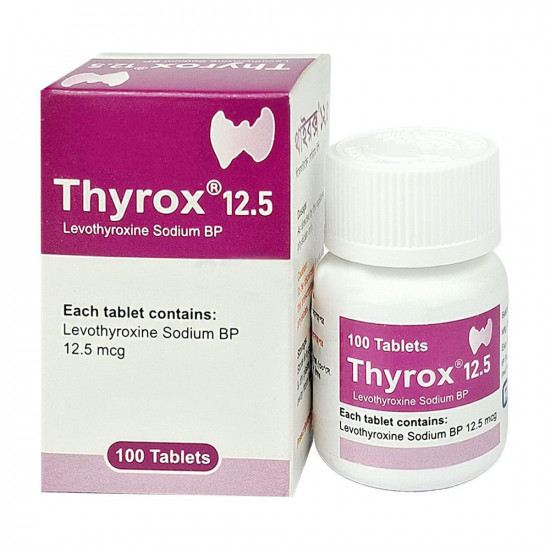
Manufacturer: Renata Limited
Generic: Levothyroxine Sodium
Type: Tablet
Pack Size: 100 Pcs

Hurry and get discounts on all Apple devices up to 20%
Sale_coupon_15
70.00৳ Original price was: 70.00৳ .68.60৳ Current price is: 68.60৳ .
- Monitor Regular thyroid function tests (TSH, T4)
- Monitor heart rate, blood pressure, and clinical signs of over- or under-replacement
- Adjust dose based on weight changes and lab results
Thyrox 12.5 is a synthetic thyroid hormone replacement used in the treatment of hypothyroidism, a condition where the thyroid gland fails to produce adequate thyroid hormone. Restoring normal hormone levels helps regulate energy, metabolism, and overall body function.
Thyrox 12.5 contains levothyroxine sodium, a synthetic form of the natural thyroid hormone T4. It increases basal metabolic rate (BMR), promotes protein synthesis, and stimulates metabolism of carbohydrates, fats, and vitamins. Its activity is largely mediated through conversion to triiodothyronine (T3) at the cellular level, influencing growth, development, and metabolic regulation.
Your healthcare provider will determine the appropriate starting dose based on your thyroid hormone levels, assessed via blood tests. Once therapy begins, periodic monitoring is essential to ensure optimal dose adjustment and therapeutic effectiveness.
Mild Hypothyroidism: 1.7 mcg/kg/day; usual initial dose: 25–50 mcg/day.
Age >50 or with cardiovascular disease: Start at 12.5–25 mcg/day; titrate every 4–8 weeks.
Severe Hypothyroidism: Begin with 12.5–25 mcg/day; increase by 25 mcg/day every 2–4 weeks as needed.
Neonates & Infants (1–12 months): 6–15 mcg/kg/day.
Children (1–12 years): 4–6 mcg/kg/day.
Adolescents (>12 years): 2–3 mcg/kg/day or up to 150 mcg/day.
Baby Mom
Diabetic Care
Health Devices
Medicines
Personal Care
Sexual Wellbeing
Vital Wellness
Vitamins Supplements
Women Care