


-5%
 Baby Mom
 Diabetic Care
 Health Devices
 Medicines
 Personal Care
 Sexual Wellbeing
 Vital Wellness
 Vitamins Supplements
 Women Care
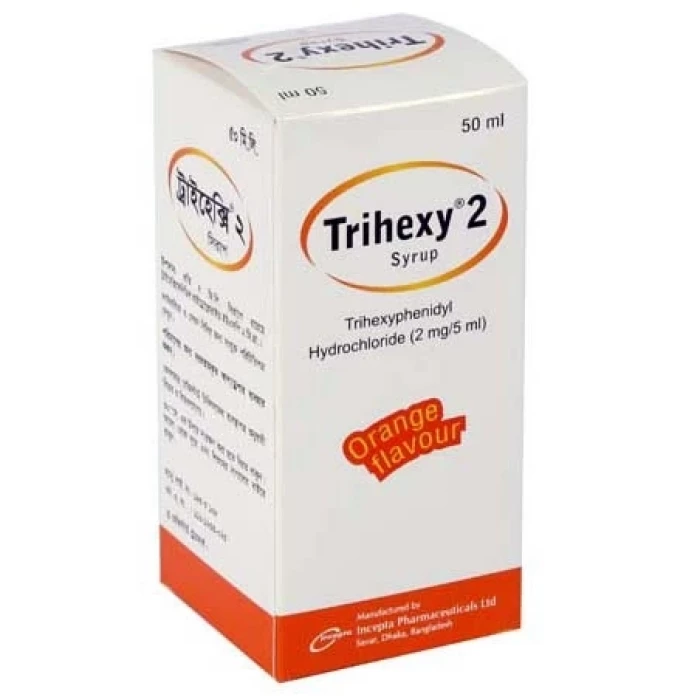
Manufacturer: Incepta Pharmaceuticals Ltd.
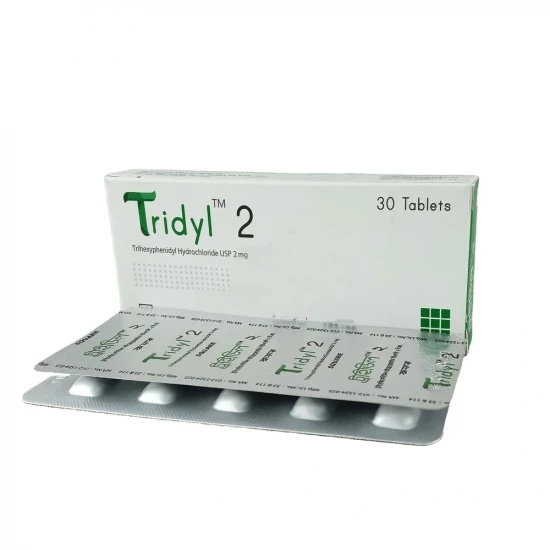
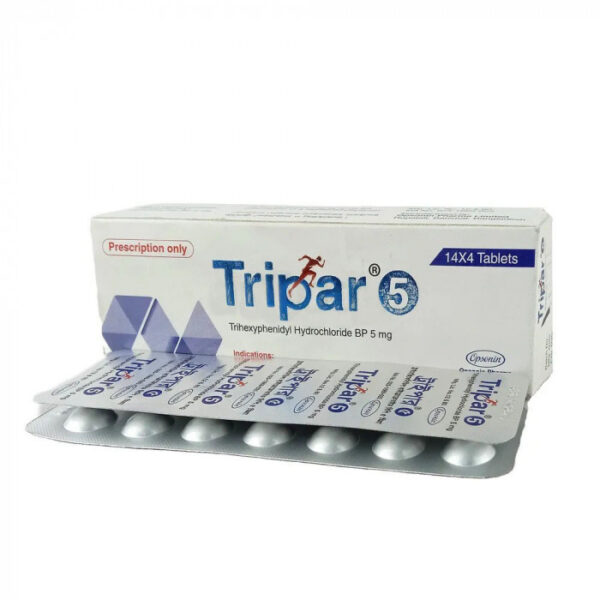
Generic: Trihexyphenidyl HCL
Type: Syrup
Pack Size: 50ml

Hurry and get discounts on all Apple devices up to 20%
Sale_coupon_15
100.00৳ Original price was: 100.00৳ .95.00৳ Current price is: 95.00৳ .
Trihexy is used as an adjunct treatment for various forms of Parkinsonism, including postencephalitic, arteriosclerotic, and idiopathic types. It is often effective when used alongside levodopa for these conditions. Additionally, it is indicated for managing extrapyramidal disorders caused by central nervous system (CNS) drugs such as dibenzoxazepines, phenothiazines, thioxanthenes, and butyrophenones. Only take medication as advised by a registered physician.
Trihexyphenidyl Hydrochloride is classified as an anti-spasmodic agent primarily used as an adjunct therapy in the treatment of Parkinson’s disease and extrapyramidal symptoms (movement disorders caused by certain medications). Parkinson’s disease is a progressive neurological condition characterized by movement difficulties.
Trihexyphenidyl Hydrochloride helps by relaxing muscles and controlling nerve impulses that regulate muscle function. It also helps balance neurotransmitters (chemical messengers) in the brain, which improves muscle control and reduces stiffness, enabling more natural movement.
Take trihexyphenidyl hydrochloride exactly as prescribed by your doctor based on your condition.
Common side effects include:
These side effects are typically mild and resolve over time, but if they persist, consult your doctor.
Baby Mom
Diabetic Care
Health Devices
Medicines
Personal Care
Sexual Wellbeing
Vital Wellness
Vitamins Supplements
Women Care