


-5%
 Baby Mom
 Diabetic Care
 Health Devices
 Medicines
 Personal Care
 Sexual Wellbeing
 Vital Wellness
 Vitamins Supplements
 Women Care
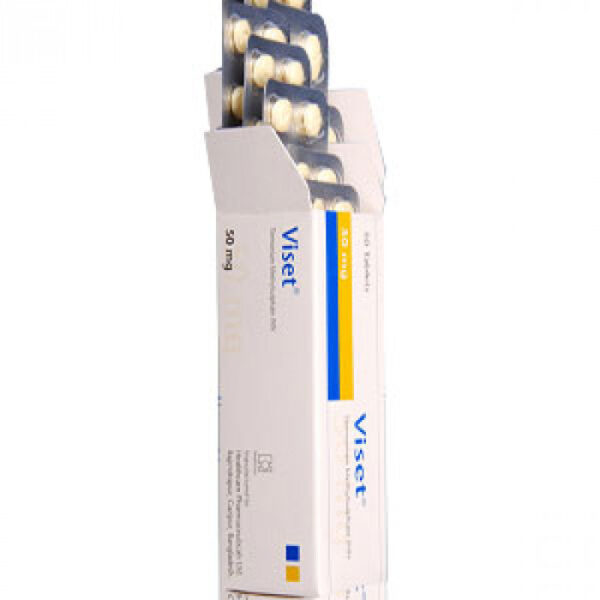
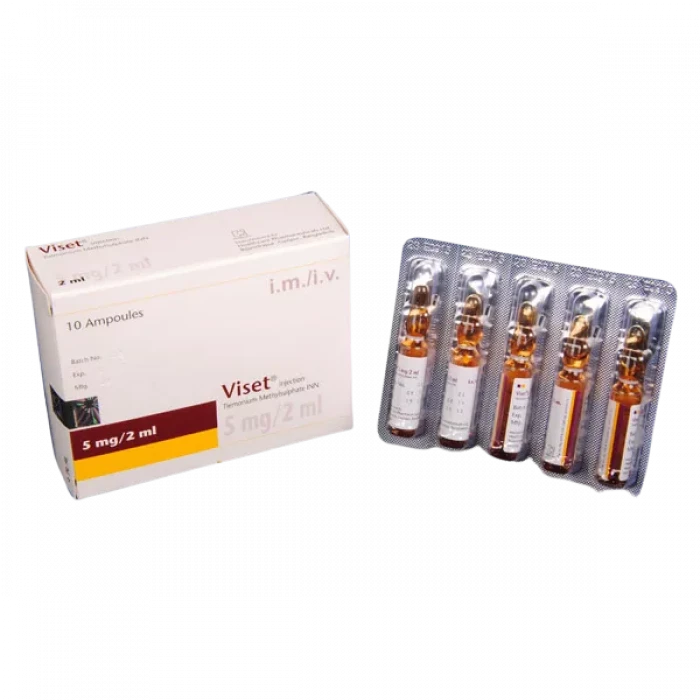
Manufacturer: Healthcare Pharmacuticals Ltd.
Generic: Tiemonium Methylsulphate
Type: Injection
Pack Size: 2ml

Hurry and get discounts on all Apple devices up to 20%
Sale_coupon_15
30.00৳ Original price was: 30.00৳ .28.50৳ Current price is: 28.50৳ .
Tiemonium Methylsulphate is an antispasmodic sedative that reduces the fitness of the muscles in the digestive tract, biliary framework, bladder, and uterus. It is used to treat the symptoms of torment caused by utilitarian clutters of the stomach and biliary framework. It is also used to treat pain and discomfort in urological and gynecological illnesses.
Muscle Spasms (Muscle Cramps)
Muscle spasms, also known as muscle cramps, are involuntary contractions of muscles that can cause pain and tightness. They can occur anywhere in the body and are common, although their onset can be unpredictable. While there are measures to prevent and alleviate muscle spasms, they may not always be entirely effective.
Muscle spasms range from mild twitching to severe tightening of muscles, often resulting in discomfort or pain. In some cases, muscle spasms may be accompanied by additional symptoms such as muscle weakness, numbness, or coordination issues. The exact cause of muscle spasms is not always clear but may include factors such as inadequate stretching, muscle fatigue, dehydration, or electrolyte imbalances.
Healthcare providers diagnose muscle spasms by reviewing medical history and conducting a physical examination. They may inquire about the frequency, duration, and intensity of muscle spasms and assess associated symptoms.
Treatment for muscle spasms typically involves stretching the affected area, massaging the muscles, applying heat or ice, and taking over-the-counter pain relievers if necessary. In severe cases, muscle relaxers may be prescribed, although they may have side effects such as drowsiness or dizziness.
Preventing muscle spasms involves regular stretching and flexibility exercises, maintaining overall fitness, staying hydrated, avoiding extreme heat during exercise, and wearing proper footwear. Additionally, certain precautions such as maintaining loose bedding around the legs during sleep may help prevent nocturnal leg cramps.
Baby Mom
Diabetic Care
Health Devices
Medicines
Personal Care
Sexual Wellbeing
Vital Wellness
Vitamins Supplements
Women Care