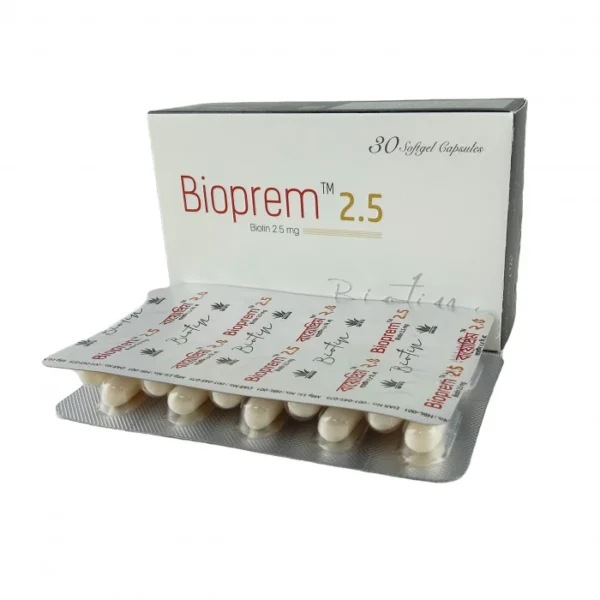
Biotin is a vital nutrient that your body cannot produce sufficiently on its own, necessitating intake from dietary sources or supplements. It is best obtained through diet.
Biotin aids your body in:
- Converting food into energy
- Regulating cellular signals
- Managing gene activity
Biotin is present in many common foods and is mainly stored in the liver.
Biotin, also known as vitamin H, is an essential vitamin that plays a critical role in several physiological functions, including fatty acid synthesis, amino acid catabolism, and gluconeogenesis. It acts as a cofactor for the enzymatic carboxylation of pyruvate and acetyl-CoA. Biotin influences the growth and differentiation of epidermal cells, making it crucial for the formation and renewal of skin, hair, and nails. In hair roots, it functions as a coenzyme for mitochondrial carboxylases, enhancing keratin structure. Biotin deficiency can lead to hair loss and systemic symptoms such as dermatitis and aciduria. It is widely prescribed for various types of hair loss.